
Your bathroom floor deserves better than a plastic grate and a slow draining hole.
Our stainless steel drains collect water across their full length, clear it fast, and sit flush with your tiles so the drain becomes part of the design rather than an interruption in it.
From compact shower channels to full width wet room drains, every product in our range is built from surgical grade stainless steel, backed by a real warranty, & ready to ship in the size & finish that fits your bathroom perfectly.
Fast shipping direct to your door all across the USA
Shower Floor Drain | Linear Floor Drain | Rectangle Floor Drain
EzyDrains.com manufactures a full line of stainless steel drain grates & covers for any commercial application, from roof drains to sanitary floor drains
DRAINING FAST
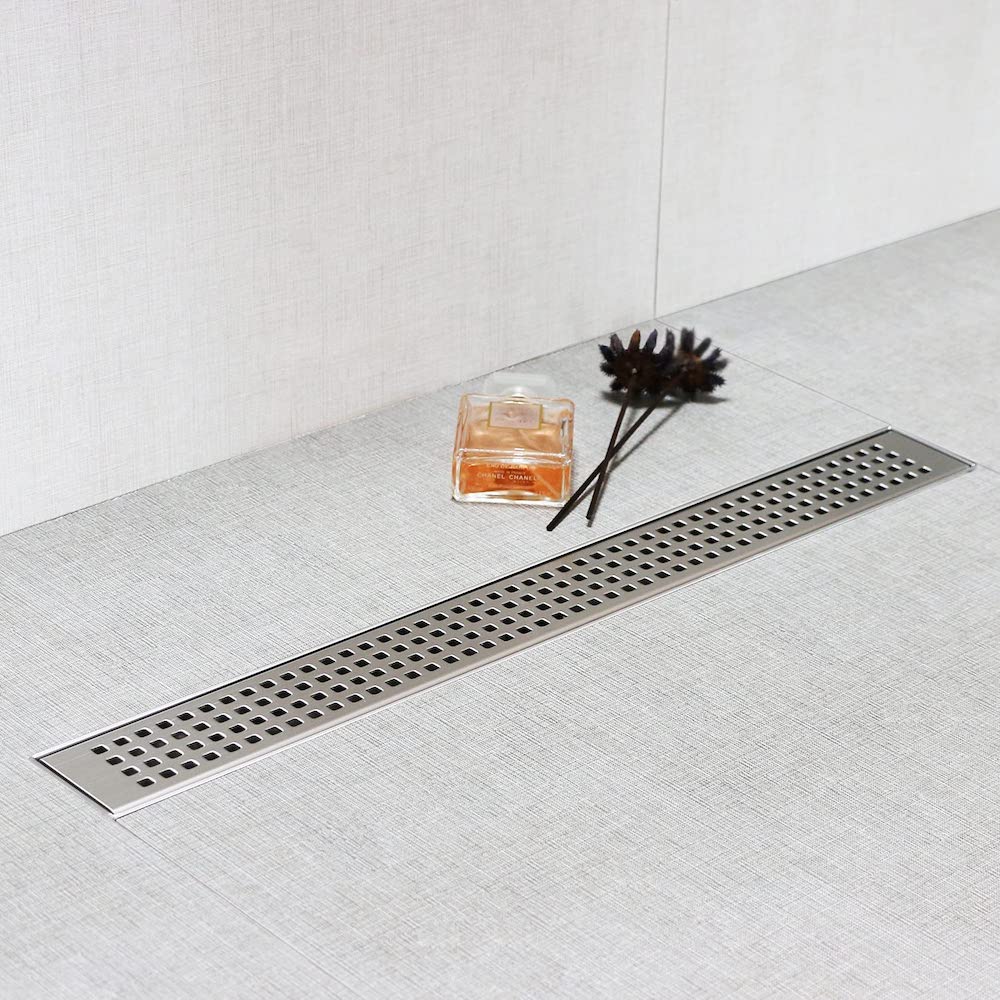
Wide rectangular anti-odor floor drain offers an opulent spin on the ordinary, the drainage channel is straight-through, no dirt is trapped and no clogging, anti-odor, pest control and avoid undrained or flooding.
EASY TO CLEAN
Stainless steel linear floor drain removable cover can be unscrewed and cleaned, just remove the core to clean regularly, which is very convenient.
HAIR CATCHER
Fast Flow Siphon Waste System allows water to flow through while effectively trapping hair. Three drain holes on the sewer core are designed for efficient and rapid drainage.
SAFE AND DURABLE
Built for safety and functionality in mind, this shower drain is made up of High-grade 304 stainless steel, anti corrosion & rust, which can service for a long time.
ntroducing the Shower Drain that offers a decorative solution to standard shower plumbing fixtures.
All EzyDrains.com’s products are constructed of 304 stainless steel and complies with the provision of the ARRA 2009.
We can design and fabricate almost any drain option you will need for your facility, and because all of our drains are made to order, there is never an additional upcharge for customization.
We provide fast delivery, often within 15 working days, with expedited order processing for time-critical projects.
With our 20 years of experience in the drain industry, our drain experts are able to provide you with the drain you need for your application, whether it is new construction or a replacement drain.
-
How does a Shower Floor Drain improve everyday comfort?
A Shower Floor Drain keeps water moving away from your feet during use, creating a more comfortable shower experience. Efficient drainage also helps the space dry faster afterwards.
-
What makes a Rectangle Floor Drain suitable for busy households?
A Rectangle Floor Drain handles frequent water use effectively by allowing quick drainage, helping maintain a clean and dry bathroom environment throughout the day.
-
What makes a Shower Floor Drain effective in wet areas?
A Shower Floor Drain is designed to quickly remove water from wet zones, helping prevent water spread beyond the shower area. This keeps surrounding floors drier and easier to maintain.
-
How does a Linear Floor Drain enhance bathroom functionality?
A Linear Floor Drain supports efficient water removal and helps keep the shower area organised and free from excess water during use.
-
How does a Rectangle Floor Drain contribute to bathroom cleanliness?
A Rectangle Floor Drain helps water flow away efficiently, preventing moisture from lingering on the floor. Reduced moisture supports a cleaner environment and can help limit the conditions where mould develops.
-
Why is a Rectangle Floor Drain effective for water control?
A Rectangle Floor Drain allows water to move smoothly across the floor into the drain, helping maintain better control over water flow during use.
-
Why is a Shower Floor Drain important for shower safety?
A Shower Floor Drain reduces standing water on the floor, lowering the risk of slips. Keeping surfaces drier improves overall safety, especially in frequently used bathrooms.
-
What role does a Linear Floor Drain play in water management?
A Linear Floor Drain collects water along its length and directs it into the drainage system efficiently. This helps maintain consistent water flow and prevents overflow.
-
How does a Shower Floor Drain improve post-shower drying?
A Shower Floor Drain removes water efficiently, allowing surfaces to dry faster and reducing lingering moisture in the bathroom.
-
Why choose a Rectangle Floor Drain for modern bathrooms?
A Rectangle Floor Drain offers a streamlined layout that blends into contemporary bathroom designs. Its elongated shape helps guide water efficiently into the drain, improving overall drainage performance while maintaining a clean, minimal look.
-
What is a Shower Floor Drain and why is it essential in bathrooms?
A Shower Floor Drain is designed to move water away quickly from the shower area, helping prevent pooling and slippery surfaces. Efficient drainage can handle high water flow per minute, keeping floors safer and supporting better hygiene in daily bathroom use.
-
How does a Linear Floor Drain help maintain a tidy shower space?
A Linear Floor Drain quickly channels water away, reducing visible puddles and keeping the shower area looking neat and organised.
-
How does a Linear Floor Drain improve water flow in showers?
A Linear Floor Drain collects water along a long channel, allowing it to drain faster compared with point drains. This design helps distribute water evenly and can reduce pooling, especially in showers with steady or heavy water use.
-
How does a Rectangle Floor Drain contribute to a sleek bathroom look?
A Rectangle Floor Drain aligns with clean lines and simple layouts, helping create a contemporary bathroom appearance while still managing water effectively.
-
What are the advantages of a Linear Floor Drain in shower areas?
A Linear Floor Drain improves drainage speed and supports a more even distribution of water flow, enhancing the overall shower experience.
-
How does a Shower Floor Drain help keep bathroom floors dry?
A Shower Floor Drain removes water directly from the floor surface, reducing the chance of puddles forming. Faster drainage supports safer movement and helps the bathroom dry more quickly after each use.
-
What makes a Linear Floor Drain suitable for high-use bathrooms?
A Linear Floor Drain can handle continuous water flow by collecting it along a longer opening. This makes it ideal for busy households where multiple showers are taken daily, ensuring consistent drainage performance.
-
How does a Linear Floor Drain help reduce water pooling?
A Linear Floor Drain spreads drainage across a long channel, allowing water to exit more evenly. This reduces the likelihood of puddles forming after showers.
-
How does a Rectangle Floor Drain handle water from showers?
A Rectangle Floor Drain channels water directly into the drainage system through its extended opening, helping prevent build-up and supporting smooth water flow across the shower floor.
-
Why do homeowners choose a Linear Floor Drain for upgrades?
A Linear Floor Drain offers both performance and visual appeal, making it a popular choice for bathroom renovations focused on efficiency and modern design.
-
How does a Linear Floor Drain support modern shower layouts?
A Linear Floor Drain fits neatly along edges or walls, helping create a sleek and open shower space. Its long design supports even water flow and complements minimalist bathroom styles.
-
How does a Rectangle Floor Drain improve shower performance?
A Rectangle Floor Drain ensures water is drained evenly across the floor, improving overall shower functionality and helping maintain a dry surface.
-
Why is a Rectangle Floor Drain a practical choice for showers?
A Rectangle Floor Drain offers efficient water removal while fitting seamlessly into modern layouts. Its design helps maintain a smooth and uncluttered shower floor.
-
Why is a Linear Floor Drain preferred in contemporary bathrooms?
A Linear Floor Drain combines strong drainage performance with a modern appearance. Many homeowners prefer it for its ability to handle water efficiently while maintaining a clean floor design.
-
What are the benefits of using a Rectangle Floor Drain in showers?
A Rectangle Floor Drain allows water to move quickly across a wider channel. This improves drainage efficiency and helps maintain a tidy and dry shower area after use.
-
What makes a Shower Floor Drain reliable in daily use?
A Shower Floor Drain consistently removes water during showers, helping maintain a dry and safe surface without requiring constant attention.
-
Why is a Shower Floor Drain useful for everyday showers?
A Shower Floor Drain helps manage water flow effectively, preventing accumulation and ensuring a more comfortable and safer shower experience.
-
How does a Shower Floor Drain support hygiene in bathrooms?
A Shower Floor Drain removes excess water quickly, helping reduce moisture build-up. Lower moisture levels can discourage bacteria and mould growth, supporting a cleaner environment.
-
How does a Shower Floor Drain help prevent water spread?
A Shower Floor Drain directs water straight into the drainage system, reducing the chance of water moving beyond the shower area.
Shower Floor Drain: How to Choose Between a Linear Floor Drain and a Rectangle Floor Drain for Your Bathroom
The drain in your shower floor does two jobs at once. It removes water quickly enough to keep the floor safe and comfortable during use, and it contributes to the visual character of the bathroom in a way that is impossible to ignore because it sits right there in the middle of the floor where your eyes naturally rest. Getting the wrong drain means living with slow drainage, pooling water, awkward tile cuts, and a visible compromise in a room where every detail matters. Getting the right drain means water disappears effortlessly, the floor looks intentional and refined, and the entire shower feels like it was designed as a single cohesive system rather than assembled from disconnected parts.
The shower floor drain market has evolved dramatically over the past decade. Where once you had a choice between round and square grates in a handful of sizes, today the options include linear floor drains that stretch across the full width of the shower, rectangle floor drains that offer a middle ground between traditional and contemporary, and a range of materials, finishes, and grate designs that allow the drain to either make a statement or disappear entirely into the floor surface. This guide walks you through the options, explains the differences that matter, and helps you choose the shower floor drain that performs best and looks best in your specific bathroom.
Types of Shower Floor Drains Explained
Shower floor drains fall into three broad categories based on their shape, size, and the way they collect water from the floor surface. Each type works differently within the shower pan, creates different tiling requirements, and produces a different visual effect in the finished bathroom.
Traditional Point Drains
The traditional point drain is the oldest and most familiar type of shower floor drain. It consists of a compact drain body, usually round or square, positioned at a single point on the shower floor. The floor slopes from all edges toward this central point, creating a four-way gradient that funnels water to the drain from every direction. Point drains are simple, proven, and widely available, but their small collection area and the four-way slope they require create limitations that have driven the development of newer drain formats.
Point drains collect water through a relatively small opening, typically 100 to 150 millimetres in diameter. This concentrated collection area can struggle to keep pace with high-flow showerheads, particularly in larger showers where water has to travel a significant distance across the floor before reaching the drain. The four-way slope also complicates tile installation because the floor surface changes direction at the centre point, requiring precise cuts and careful layout to avoid lippage and uneven grout lines, especially with larger tile formats.
Linear Floor Drains
A linear floor drain is an elongated channel that spans part or all of the shower width, collecting water across its entire length rather than at a single point. The channel sits along one edge of the shower, typically against a wall or at the shower threshold, and the floor slopes in a single direction toward it. This single-plane slope is the defining functional advantage of the linear format. It eliminates the complexity of a four-way gradient, simplifies tile installation dramatically, and accommodates large-format tiles and natural stone slabs that would be difficult or impossible to lay over the compound slope required by a point drain.
Linear floor drains also offer significantly greater water collection capacity than point drains because water enters the channel along its full length simultaneously. A 900 millimetre linear drain collects water six to nine times faster than a standard 100 to 150 millimetre point drain, depending on the grate design and flow conditions. This superior capacity makes linear drains the preferred choice for large showers, rainfall showerheads, multi-jet systems, and any installation where high water volume needs to be cleared quickly and efficiently.
Rectangle Floor Drains
A rectangle floor drain occupies the space between a compact point drain and a full-length linear channel. It is wider and longer than a traditional square drain but shorter than a linear channel, typically measuring between 200 and 400 millimetres in length and 100 to 150 millimetres in width. This elongated rectangular format offers better water collection than a point drain while requiring less floor space and simpler installation than a full linear channel.
Rectangle floor drains can be positioned centrally on the shower floor like a traditional drain or offset toward one edge, depending on the floor slope configuration and the aesthetic preference of the designer. Their moderate size allows them to work with either a modified four-way slope or a two-way slope depending on placement, giving them a flexibility that neither point drains nor full linear channels can match. For bathrooms where a full linear drain feels like more than the space needs but a small point drain feels inadequate, the rectangle floor drain hits a practical and visual sweet spot.
Comparing Performance: Linear vs. Rectangle vs. Point Drains
Each drain type performs differently in terms of drainage speed, floor slope requirements, and tile compatibility. Understanding these performance differences helps you match the drain format to the specific demands of your shower design.
Drainage Speed and Water Handling
In terms of raw water handling capacity, linear floor drains lead the field by a significant margin. Their extended collection length means water enters the drain across a wide front rather than converging on a single opening, which eliminates the bottleneck effect that limits the flow rate of point drains. A well-designed linear drain can handle 40 to 60 litres per minute or more, comfortably exceeding the output of even the most generous showerhead and body jet combinations.
Rectangle floor drains fall in the middle, offering better flow capacity than point drains but less than a full-length linear channel. Their elongated opening collects water across a wider area than a point drain, reducing the tendency for water to pool on the floor during heavy use. For standard residential showers with a single showerhead, a rectangle drain typically provides more than adequate flow capacity with a comfortable margin.
Point drains handle standard water volumes adequately in most situations but can be overwhelmed by high-flow fixtures or in large showers where water takes time to travel across the floor to the drain. In these conditions, water pools on the floor surface until the drain can catch up, creating an uncomfortable standing surface and a less effective showering experience.
Floor Slope Simplicity
The floor slope required for each drain type directly affects installation complexity, tile layout options, and the finished appearance of the shower floor. Linear floor drains require only a single-direction slope, which is the simplest possible floor geometry. The entire shower floor tilts gently from one edge toward the drain channel on the opposite edge, creating a uniform plane that is easy to form in mortar or screed and straightforward to tile with any format including large slabs.
Rectangle floor drains offer two slope options depending on placement. A centrally placed rectangle drain requires a modified four-way slope similar to a point drain but with a longer target area that is somewhat more forgiving of tile layout. An edge-placed rectangle drain can work with a two-way slope from both sides, which is simpler than four-way but more complex than the single-direction slope of a linear drain.
Point drains require the most complex floor slope, with all four edges of the shower floor angling inward toward the central drain. This compound geometry is the most demanding to form accurately and the most restrictive for tile selection and layout.
Tile Compatibility and Visual Impact
The relationship between drain type and tile format is one of the most important considerations for anyone prioritising the visual quality of their shower floor. Large-format tiles, which are the overwhelmingly popular choice in contemporary bathroom design, do not tolerate compound slopes well. When a large tile spans the transition between two slope directions, one edge sits higher than the other, creating lippage that is visible, uncomfortable underfoot, and impossible to correct without cutting the tile into smaller pieces that defeat the purpose of choosing a large format in the first place.
Linear floor drains eliminate this problem entirely because the single-direction slope creates no transitions for the tile to navigate. Large-format tiles, planks, and natural stone slabs can be laid across the full shower floor with minimal cutting and zero lippage concerns. This tile-friendly geometry is arguably the single biggest reason for the linear drain’s dominance in modern bathroom design.
Rectangle floor drains accommodate medium-format tiles well and can work with larger formats if the drain is positioned carefully and the slope transitions are managed with precision. They offer better tile compatibility than point drains but cannot match the unrestricted format freedom of a linear channel.
Choosing the Right Shower Floor Drain for Your Bathroom
The best drain for your bathroom depends on the intersection of several factors including shower size, design style, water volume, tile choice, and installation constraints. Working through these factors systematically leads you to the format that balances performance and aesthetics most effectively for your specific situation.
Shower Size and Layout
Small to medium showers with standard showerheads can be effectively served by any drain type. In compact spaces, the visual simplicity of a rectangle floor drain often works well because it provides adequate drainage without the visual weight of a full-length channel in a small floor area. Large showers, double showers, and wet rooms benefit most from linear floor drains because the extended collection length ensures fast, even drainage across the larger floor surface and the single-direction slope simplifies the construction of a bigger floor area.
Tile Selection and Floor Design
If your tile selection includes large-format tiles of 300 by 600 millimetres or larger, a linear floor drain is strongly recommended because the single-direction slope preserves the clean, uninterrupted tile layout that large formats are chosen for. For mosaic tiles, small-format tiles, and natural pebble or river stone finishes, all three drain types work equally well because these small formats conform easily to compound slopes without lippage.
Aesthetic Preference
Design preference plays a legitimate role in drain selection because the drain is a visible element of the shower floor. Linear floor drains make a strong architectural statement with their sleek channel profile and are the natural choice for contemporary, minimalist, and industrial-style bathrooms. Rectangle floor drains offer a more moderate presence that suits transitional and modern-classic bathrooms where a full linear channel might feel too assertive. Point drains are the most discreet option but can look dated in contemporary settings where linear and rectangle formats have become the expected standard.
Installation Budget and Complexity
Point drains are the simplest and least expensive to install because the drain body is compact, the plumbing connection is straightforward, and the installation process is familiar to every plumber and tiler. Rectangle floor drains fall in the middle, requiring slightly more preparation than a point drain but significantly less than a full linear channel. Linear floor drains involve the most extensive installation work including a longer drain body, a more involved waterproofing connection, and careful floor slope formation, but they deliver the highest performance and the most design flexibility in return for the additional installation effort.
Waste Pipe Position and Plumbing Constraints
The location of the waste pipe beneath your shower floor can influence which drain format is most practical. Point drains and rectangle floor drains connect to the waste pipe at a single point that can be positioned relatively close to the drain body with minimal horizontal pipe run. Linear floor drains position their outlet at one end or at the centre of a long channel, which may require a longer horizontal pipe run to reach the main waste stack depending on the plumbing layout beneath the floor. Confirm the waste pipe position with your plumber before finalising your drain selection to ensure the chosen format can connect efficiently without excessive pipework that could restrict flow or complicate future maintenance access.
Material and Construction Considerations
Regardless of the drain format you choose, the material and construction quality of the drain body and grate determine its long-term performance, durability, and appearance. These factors apply equally to linear, rectangle, and point drain formats.
Stainless Steel Grades
The industry standard for quality shower floor drains is stainless steel, with grades 304 and 316 being the most common specifications. Grade 304 stainless steel provides excellent corrosion resistance for standard residential bathroom conditions and is the appropriate choice for most home installations. Grade 316 stainless steel offers enhanced resistance to chloride corrosion and is recommended for bathrooms with high salt content in the water supply, pool and spa areas, coastal properties where salt air may enter the bathroom, and commercial installations exposed to aggressive cleaning chemicals.
Drains described simply as “stainless steel” without specifying the grade may use lower-grade alloys that are prone to surface corrosion, tea staining, and premature deterioration in the humid bathroom environment. Always confirm the specific stainless steel grade before purchasing to ensure the drain will maintain its appearance and structural integrity for the expected lifespan of your bathroom.
Channel Wall Thickness
The thickness of the drain body walls affects rigidity, durability, and resistance to deformation during installation and use. Quality linear and rectangle floor drains use channel walls between 1.0 and 1.5 millimetres thick, providing sufficient strength to maintain their shape under floor loads and during the mortar and tile application process. Thinner walls can flex when mortar is packed around the drain body, potentially distorting the channel and affecting grate fit and drainage performance. For a component that will be permanently embedded in your shower floor, the structural assurance of adequate wall thickness is well worth prioritising.
Grate Options Across All Drain Types
The grate is the visible face of the drain and the primary design element that determines how the drain integrates with the surrounding floor. All three drain types offer a range of grate options, though the variety tends to be broadest for linear floor drains and narrowest for traditional point drains.
Slotted grates use parallel rectangular openings to allow water entry while providing a clean, geometric appearance. Perforated grates feature arrays of round or shaped holes that create a more subtle, textured look. Tile-insert grates include a recessed frame that accepts a cut piece of the floor tile, making the drain nearly invisible when the shower is not in use. Wedge-wire grates use angled V-shaped bars that create a self-cleaning water entry profile, reducing debris accumulation on the grate surface. Each style produces a different visual effect and offers different practical characteristics in terms of water entry efficiency, debris management, and ease of cleaning.
Finish Options and Coordination With Bathroom Hardware
Beyond the standard brushed stainless steel finish, shower floor drains are available in polished stainless steel, matte black, brushed gold, rose gold, gun metal, and bronze finishes. These options allow the drain grate to coordinate with tapware, towel rails, shower hardware, and other bathroom fittings in a matching metallic finish. Matte black has become particularly popular in contemporary bathroom design, and the availability of matte black grates for linear, rectangle, and point drains means the drain can participate fully in a coordinated finish palette rather than standing out as an unmatched stainless steel element in an otherwise colour-matched room.
Installation Essentials for Any Shower Floor Drain
While the specific installation procedures differ between drain types, several fundamental principles apply universally and determine the success of any shower floor drain installation.
Waterproofing the Drain Connection
The junction between the drain body and the shower pan waterproofing membrane is the most critical detail in the entire bathroom. A failure at this point allows water to bypass the drain and enter the subfloor structure, causing damage that is invisible until it becomes severe and expensive to repair. Follow the drain manufacturer’s waterproofing specifications exactly, use the recommended membrane products, and ensure the bond between the membrane and the drain flange is continuous, gap-free, and tested before any tiling begins. A 24-hour flood test after waterproofing and before tiling confirms the seal integrity at a stage when corrections are still simple and inexpensive.
Setting the Drain Height Correctly
The top of the drain grate must sit perfectly flush with the finished tile surface. A grate that sits above the tile creates a trip hazard and an uncomfortable surface underfoot. A grate that sits below the tile creates a channel where water and debris collect rather than entering the drain. Achieving a flush finish requires precise calculation of the drain height relative to the tile thickness, adhesive layer, and waterproofing membrane. Many modern drains include adjustable height mechanisms that allow fine-tuning during installation, which significantly simplifies the process of achieving the exact flush alignment that a professional finish demands.
Ensuring Adequate Fall Across the Floor
The floor must slope toward the drain at a gradient sufficient to move water effectively without creating an uncomfortable or unsafe standing surface. A gradient of 1 to 2 percent, or 10 to 20 millimetres of fall per metre of floor distance, is the standard recommendation for residential showers. This gradient applies regardless of whether you are using a linear, rectangle, or point drain, though the direction and geometry of the slope differ between formats as discussed earlier. Consistent, accurate gradient formation is one of the skills that distinguishes a professional shower floor installation from an amateur one.
The Right Drain for the Right Bathroom
There is no single best shower floor drain. There is only the best drain for your particular bathroom, your particular shower design, and your particular priorities. A linear floor drain delivers maximum drainage performance, the simplest floor slope, and the boldest design statement, making it the natural choice for large contemporary showers and wet rooms where performance and aesthetics are equally important. A rectangle floor drain offers a balanced middle ground with better drainage than a point drain, moderate installation complexity, and a refined appearance that suits a wide range of bathroom styles. And the traditional point drain remains a perfectly functional choice for compact showers with standard fixtures where simplicity and familiarity are valued.
Whichever format you choose, invest in a drain built from quality stainless steel with adequate wall thickness, a reliable waterproofing connection, and a grate style that complements your tile selection and bathroom hardware. The drain is one of the few bathroom components that is genuinely permanent, embedded in the floor for the life of the bathroom with no practical option for a quick swap if it disappoints. Choosing well the first time means your shower floor drain performs invisibly and beautifully for every shower you take in the years and decades ahead.