Linear Shower Drain: How a Shower Pan Drain Becomes the Foundation of a Modern Linear Bathroom Drain System
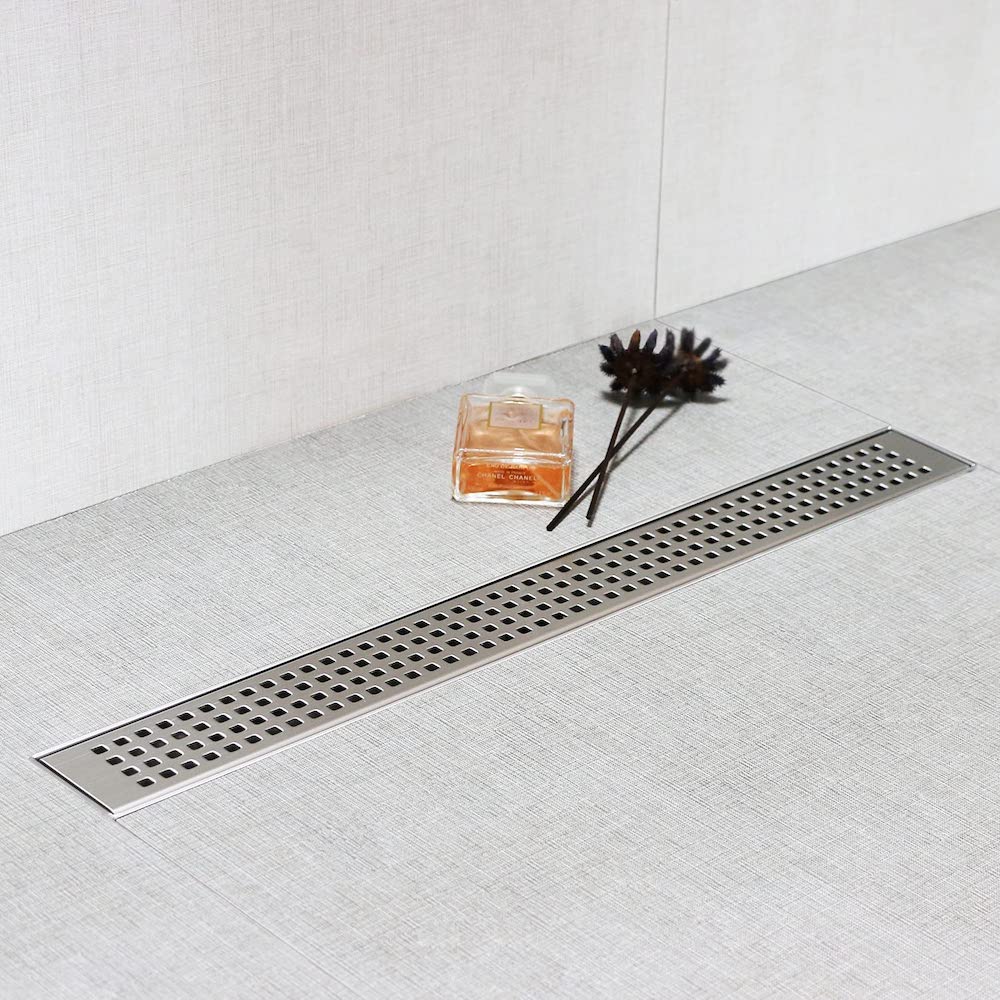
Every shower needs somewhere for the water to go. That much has not changed since indoor plumbing began. What has changed is how that drainage is integrated into the shower floor, how it affects the design of the bathroom around it, and how much the drain itself contributes to the overall function and appearance of the space. The linear shower drain has redefined all three of these considerations, replacing the conventional centre-point grate with a sleek channel system that works with the shower pan rather than interrupting it.
A shower pan drain is the heart of any shower floor assembly, connecting the waterproofed surface above to the waste plumbing below. When that drain takes a linear form, it transforms the shower pan from a four-way sloping surface into a clean, single-direction plane that is simpler to build, easier to tile, and far more versatile in design. A linear bathroom drain does not just remove water from the floor. It shapes the way the entire bathroom is conceived, constructed, and experienced. This guide explores how linear drains integrate with shower pans, what sets them apart from traditional drainage, and how to plan an installation that performs flawlessly for the life of your bathroom.
Understanding the Shower Pan and Its Relationship to the Drain
The shower pan is the waterproof base layer of the shower floor. Everything that happens above it, the mortar bed, the tile, the grout, all of that depends on the pan beneath to catch any water that penetrates those layers and direct it safely to the drain. The drain is not just sitting in the pan. It is structurally and functionally integrated with the pan, forming the single exit point through which every drop of water leaves the shower system.
How Traditional Shower Pan Drains Work
In a conventional shower, the pan slopes from all four edges toward a central point where a round drain body is clamped to the waterproofing membrane. This four-way slope creates a subtle pyramid in the mortar bed that directs water from every part of the pan toward the drain opening. The system works, and has worked for decades, but it imposes constraints on the shower floor design. The four-way slope is difficult to execute with large tiles, the central drain interrupts the visual flow of the floor, and the limited collection area of a single round opening can struggle to keep up with high-flow showerheads during heavy use.
How a Linear Shower Drain Changes the Pan Design
A linear shower drain replaces the central point collection with a channel that spans the width of the shower floor along one edge. This single change has a cascading effect on the entire pan design. Instead of sloping from four sides toward the centre, the pan slopes in one direction toward the channel. The mortar bed becomes a single plane rather than a four-sided pyramid. The tile layout follows a simple, consistent fall that accommodates large-format tiles, natural stone, and other premium finishes without the complex cuts and angle transitions that a four-way slope demands.
The connection between the linear drain and the shower pan membrane is engineered differently as well. Linear drains use an elongated bonding flange that runs the full length of the channel, providing a continuous waterproof seal between the drain body and the membrane. This distributed connection spreads the waterproofing load across a much longer interface than the circular flange of a point drain, which can improve the long-term reliability of the waterproof seal by reducing the stress concentration at any single point along the bond line.
Components of a Linear Bathroom Drain System
A complete linear bathroom drain installation involves several components that work together to collect water, maintain the waterproof barrier, and connect to the building's waste plumbing. Understanding each component helps you plan the installation correctly and communicate effectively with your plumber, tiler, and waterproofer.
The Drain Body and Channel
The drain body is the trough-shaped channel that sits within the shower floor and collects water across its full length. It is typically fabricated from stainless steel, with the channel walls forming a watertight vessel that directs collected water toward the outlet. The channel depth determines how much water the drain can hold during peak flow, providing a buffer that prevents overflow when the water delivery rate temporarily exceeds the drain's discharge capacity. Quality drain bodies are fabricated from grade 304 or 316 stainless steel with welded seams that are watertight without relying on sealants or gaskets that can deteriorate over time.
The Waterproofing Flange
The waterproofing flange is a flat extension that projects outward from the top edge of the drain body on both sides. This flange provides the bonding surface where the shower pan membrane attaches to the drain, creating the watertight seal that prevents water from bypassing the drain and entering the subfloor. On a linear drain, the flange extends the full length of the channel, offering a large, continuous bonding area for the membrane. Some drain systems use a clamping mechanism that sandwiches the membrane between an upper and lower flange for a mechanical seal, while others rely on adhesive bonding between the flange and the membrane surface.
The Outlet and Waste Connection
The outlet is the opening at the bottom of the drain body where water exits the channel and enters the waste pipe. Linear drains position the outlet at either the centre or one end of the channel, depending on the model and the plumbing layout beneath the floor. The outlet diameter must match the waste pipe, with 40 millimetre and 50 millimetre being the most common residential sizes. Many linear drains include a height-adjustable outlet assembly that allows the installer to fine-tune the drain height relative to the finished floor level during installation, providing the precision needed for a flush grate finish.
The Grate or Cover
The grate sits on top of the drain body and is the only component visible once the shower is tiled. It serves a dual purpose: allowing water to enter the channel through its openings while providing a walkable surface that supports foot traffic. Grate designs range from slotted and perforated patterns in polished or brushed stainless steel to tile-insert frames that accept a strip of the same tile used on the shower floor, rendering the drain nearly invisible. The grate is removable for cleaning and maintenance access to the channel below.
The Hair Strainer and Sediment Trap
Inside the drain channel, most linear systems include a removable hair strainer or sediment basket that catches debris before it enters the waste pipe. This small but important component prevents hair, soap fragments, and other solid matter from accumulating in the plumbing where it can cause blockages that are difficult and expensive to clear. The strainer lifts out during routine cleaning, which should be performed weekly to maintain optimal flow. Some linear drains incorporate the strainer into the outlet assembly, while others use a separate basket that sits in the channel floor independently of the outlet.
Shower Pan Types Compatible With Linear Drains
The shower pan and the linear drain must work together as an integrated system. Several pan construction methods are compatible with linear drains, each offering different advantages in terms of installation complexity, customisation, and performance.
Mortar Bed Shower Pans
A mortar bed pan is built on site by applying a layer of cement mortar over the waterproofing membrane, shaping it to the correct slope, and tiling over the cured surface. This traditional method offers unlimited flexibility in shower size, shape, and drain position because the mortar bed is formed by hand to fit whatever space the shower occupies. When combined with a linear shower drain, the mortar bed is sloped in a single direction toward the drain channel, which is significantly simpler to form than the four-way slope required for a central drain. The tiler appreciates this simplicity because a single-plane slope produces fewer tile cutting challenges and a more uniform finished surface.
Pre-Formed Foam Shower Pans
Pre-formed foam shower pans are factory-moulded panels made from high-density expanded polystyrene or similar rigid foam, pre-shaped with the correct slope built in. These panels eliminate the need to form a mortar bed on site, reducing installation time and ensuring a consistent, accurate slope across every installation. Many foam pan systems are designed specifically for linear drains, with a factory-formed channel recess and integrated slope that directs water toward the drain location along one edge. Tiles are applied directly to the foam surface using a suitable adhesive, creating a lightweight, fully waterproof shower base with minimal floor build-up.
Prefabricated Shower Trays With Integrated Linear Drains
For the fastest and most foolproof installation, prefabricated shower trays with factory-integrated linear drains provide a complete, pre-assembled shower floor in a single unit. The tray arrives with the drain body already bonded into the base, the slope pre-formed, and the waterproofing integrated into the tray material. The installer sets the tray in position, connects the waste pipe, and the shower floor is ready for tiling or use with the tray's factory finish. This approach eliminates the on-site coordination between drain installation, waterproofing, and slope formation that site-built methods require, reducing the risk of errors and speeding up the overall bathroom completion timeline.
Wet Room Floor Systems
Wet room installations, where the entire bathroom floor is waterproofed and the shower drains at floor level without a raised tray or curb, use specialised floor systems designed to integrate linear drains into a full-room waterproofing scheme. These systems typically consist of a gradient board or panel set that creates the necessary fall across the bathroom floor toward the linear bathroom drain, combined with a tanking membrane that waterproofs the entire floor area and bonds to the drain flange. Wet room floor systems require careful planning because the drain position and floor gradients affect the entire room layout, not just the shower zone.
Planning the Floor Slope for a Linear Shower Drain
The slope of the shower floor is one of the most critical details in a linear drain installation. Too little slope and water pools on the floor rather than draining. Too much slope and the floor feels uncomfortable and unsafe underfoot. Getting the balance right ensures effective drainage with a surface that feels natural and secure to stand on.
Recommended Gradient for Residential Showers
The recommended floor gradient for a residential linear shower drain installation is between 1 and 2 percent, which translates to a fall of 10 to 20 millimetres per metre of floor distance. For a shower that is 1000 millimetres deep from the back wall to the drain channel at the front, the floor at the back wall should sit approximately 10 to 20 millimetres higher than the floor at the drain edge. This subtle slope moves water effectively toward the drain while remaining barely perceptible underfoot during normal showering. The single-direction slope used with linear drains makes this gradient easy to achieve consistently across the full floor width.
Handling Large Shower Floors
In very large showers and wet rooms where the distance from the furthest point to the drain channel is substantial, the total fall required to maintain the recommended gradient can become significant. A wet room where the drain sits four metres from the opposite wall would need 40 to 80 millimetres of total fall at a 1 to 2 percent gradient, which may not be practical given the floor build-up constraints of the space. In these situations, increasing the drain channel length to cover more of the floor perimeter, positioning the drain centrally to reduce the maximum slope distance, or using a slightly steeper gradient in areas outside the primary standing zone are common strategies for maintaining effective drainage without excessive floor height variation.
Slope Direction and Drain Placement
The most common configuration places the linear shower drain along the wall opposite the showerhead, with the floor sloping from the showerhead wall toward the drain. This arrangement takes advantage of the natural water flow direction, as water from the showerhead lands on the floor and follows the slope directly toward the drain without needing to travel across or against the gradient. Positioning the drain at the shower entrance is the preferred option for barrier-free designs, where the drain intercepts water before it can escape into the wider bathroom. Wall-adjacent placement along a side wall is less common but useful when the waste pipe location or room layout makes end-wall or threshold positioning impractical.
Waterproofing a Linear Bathroom Drain Installation
Waterproofing is the most critical aspect of any shower drain installation, and the junction between the drain and the membrane deserves particular attention because it is the point where a manufactured component meets a field-applied system. Failures at this junction are the leading cause of shower leaks.
Membrane-to-Flange Bonding
The shower pan membrane must bond securely to the drain's waterproofing flange along the entire length of the channel. This bond needs to be continuous, gap-free, and strong enough to resist the stresses of thermal cycling, building movement, and the weight of the mortar bed and tiles pressing down on the membrane. Follow the drain manufacturer's waterproofing instructions precisely, using the recommended membrane products and adhesives. Substituting a different membrane system without confirming compatibility with the drain flange can result in adhesion failures that allow water to track between the membrane and the flange, bypassing the drain entirely and wetting the subfloor.
Corner and End Details
The corners where the drain channel meets the shower walls and the ends of the channel where the flange terminates are the most vulnerable points in the waterproofing system. These transitions involve changes in direction and material interfaces that concentrate stress and create opportunities for gaps if not detailed carefully. Preformed corner pieces, reinforcing fabric strips, and additional layers of liquid membrane at these locations strengthen the waterproof seal and prevent the cracking and peeling that can develop at high-stress junctions over time.
Testing Before Tiling
After completing the waterproofing and before any tile work begins, conduct a flood test by plugging the drain outlet, filling the shower pan with water to a depth of approximately 50 millimetres, and leaving it for 24 hours. Check for any drop in water level that would indicate a leak in the membrane or at the drain connection. This simple test confirms the integrity of the entire waterproof system at a stage when repairs are still straightforward. After the tiles are installed, the same repair would require demolition of the finished surface, which is a consequence that makes the 24-hour wait for a flood test one of the most worthwhile investments of time in the entire project.
Maintaining the Waterproof Integrity Over Time
The waterproof seal at the drain connection is designed to last the life of the bathroom, but periodic inspection helps catch any developing issues before they cause damage. Once or twice a year, examine the grout and sealant around the drain grate perimeter for cracking, discolouration, or separation from the stainless steel surface. These signs may indicate movement in the floor structure or deterioration of the sealant that could eventually compromise the waterproof barrier. Replacing degraded grout or sealant at the drain perimeter is a quick, inexpensive maintenance task that preserves the waterproof integrity and extends the trouble-free life of the entire shower floor system.
Maintaining Your Linear Shower Drain for Peak Performance
A linear drain requires minimal ongoing maintenance, but the few tasks involved are important for keeping the drain flowing freely and the visible components looking their best.
Weekly Grate and Strainer Cleaning
Remove the grate and hair strainer once a week and rinse them under running water to clear accumulated hair, soap residue, and debris. This takes less than a minute and prevents the gradual buildup that leads to slow drainage and unpleasant odours. Wipe the stainless steel grate with a soft cloth to maintain its finish and prevent mineral deposits from dulling the surface. For hard water areas where mineral buildup is persistent, a brief soak in a diluted vinegar solution dissolves the deposits without affecting the stainless steel.
Monthly Channel Flush
Once a month, remove the grate and pour a generous amount of warm water directly into the channel to flush out any sediment that has settled in the trough. If the channel shows signs of soap scum buildup on the walls, a soft brush with mild bathroom cleaner restores the surface without scratching the stainless steel. Avoid abrasive cleaners, steel wool, and chlorine-based products that can damage the passive oxide layer that protects stainless steel from corrosion.
Annual Inspection and Seal Check
Once a year, inspect the full length of the drain channel for any signs of damage, corrosion, or sealant deterioration. Check the grate for warping or damage that could affect its fit. Examine the perimeter where the tile meets the drain frame for any grout cracking or separation. Address any issues promptly with replacement grout, fresh sealant, or a call to your plumber if you suspect a problem with the drain body or waste connection beneath the floor.
Why the Linear Drain Has Become the Standard
The linear shower drain has moved from a niche architectural product to the default choice for modern bathroom design because it solves real problems while creating new possibilities. It simplifies the shower pan construction that every builder and tiler has to execute. It improves the drainage performance that every homeowner relies on. It enables the barrier-free, walk-in shower layouts that accessibility standards increasingly require and contemporary aesthetics universally prefer. And it provides a design element that elevates the visual quality of the bathroom in a way that a small round grate in the centre of the floor never could.
Whether you are building a compact ensuite, renovating a family bathroom, or designing a luxury wet room, the combination of a well-chosen linear bathroom drain and a properly prepared shower pan delivers a shower floor that functions impeccably and looks exactly the way you intended. The linear shower drain is not just a different way to remove water from a shower floor. It is a better way, and the bathrooms it makes possible are proof of the difference that thoughtful engineering can make in the spaces where we start and end every day.