EzyDrains Company America
Company
Shop By Category
Guides
T&Cs
Shop Online
  • Free delivery across the United States on orders of $50 or more
  • Flat $15 delivery on orders under $50
  • No sales tax is added at the checkout
  • Delivery in 5 to 7 days, after a 24 to 48 hour handling time
  • Express delivery available at checkout for $22
  • Eco Pack packaging

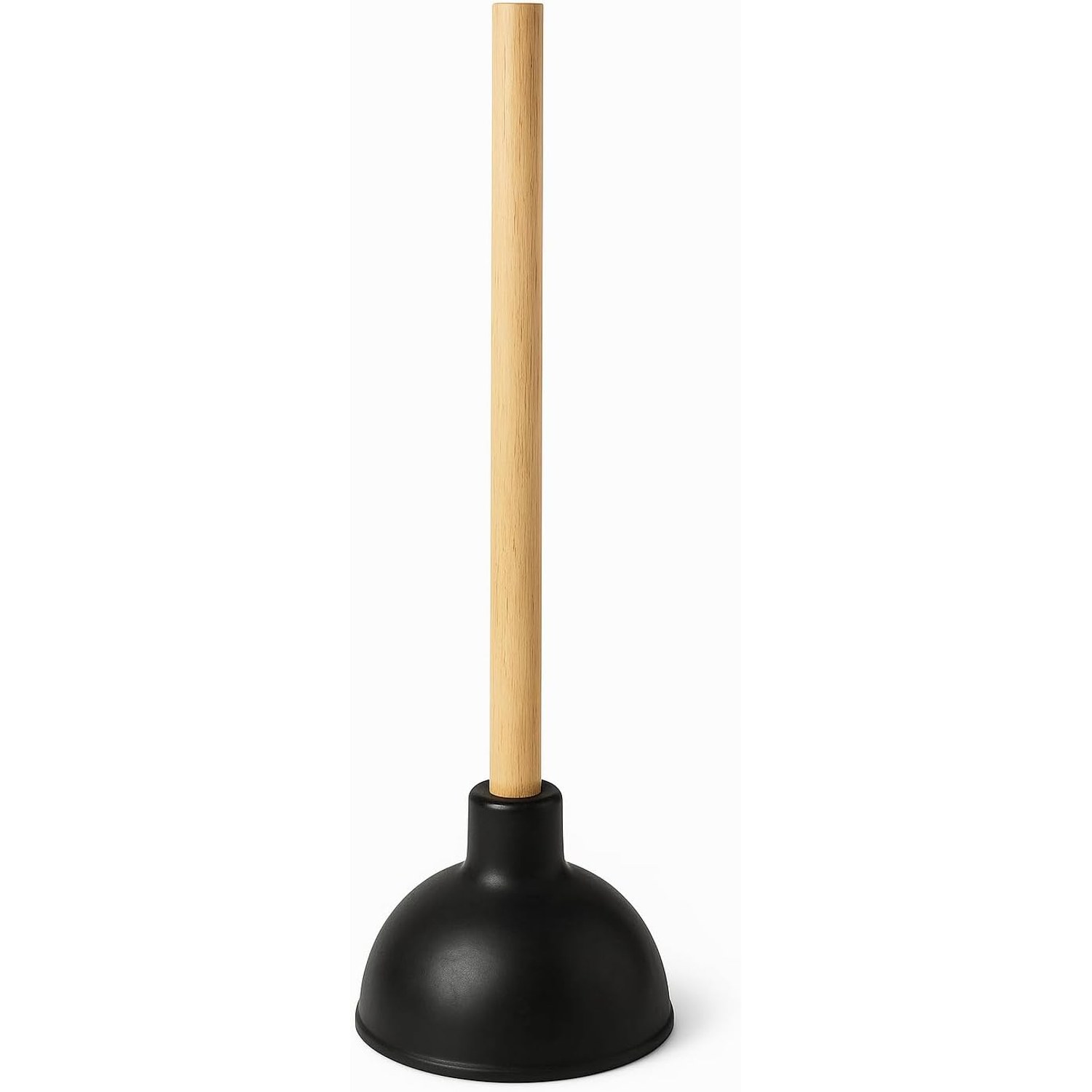
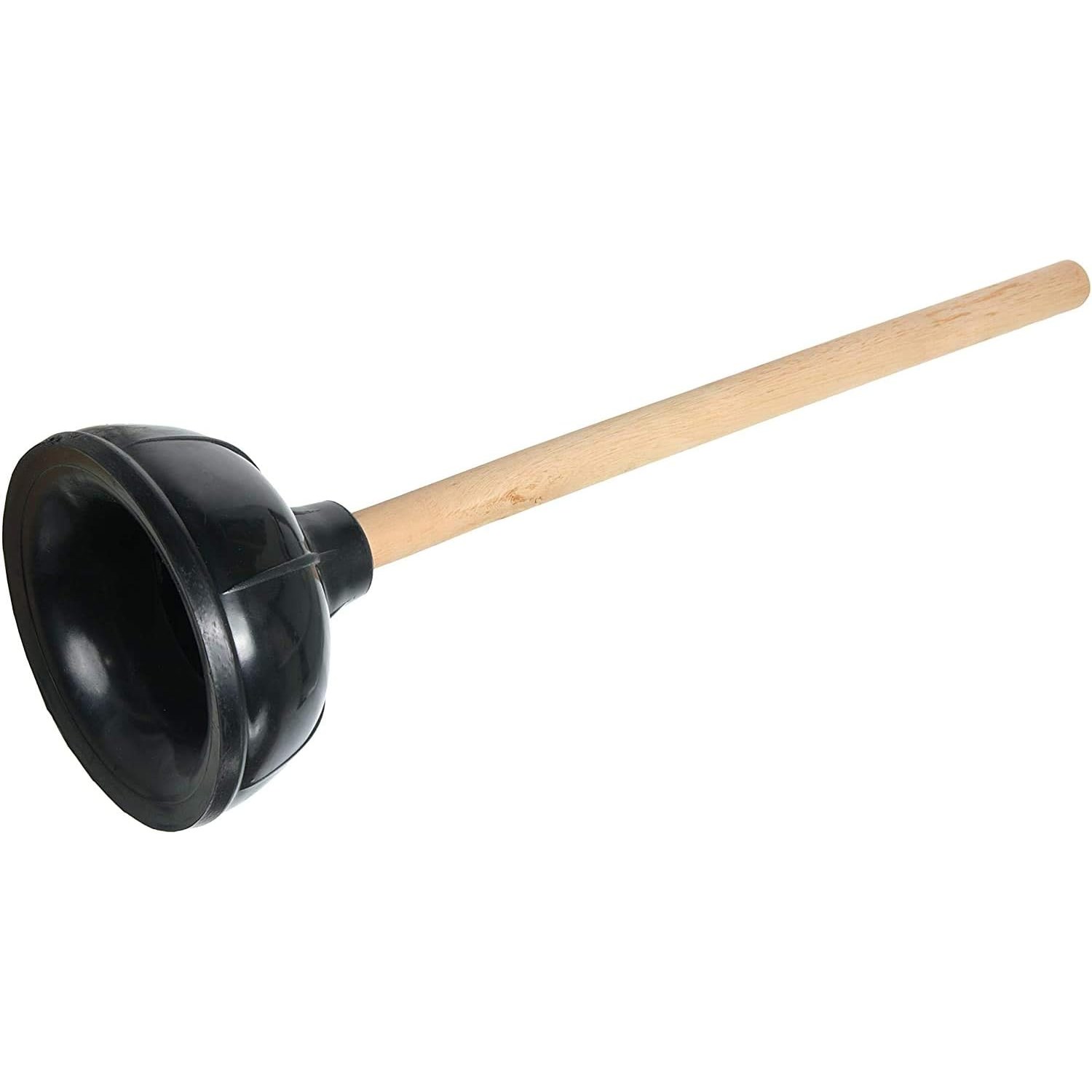
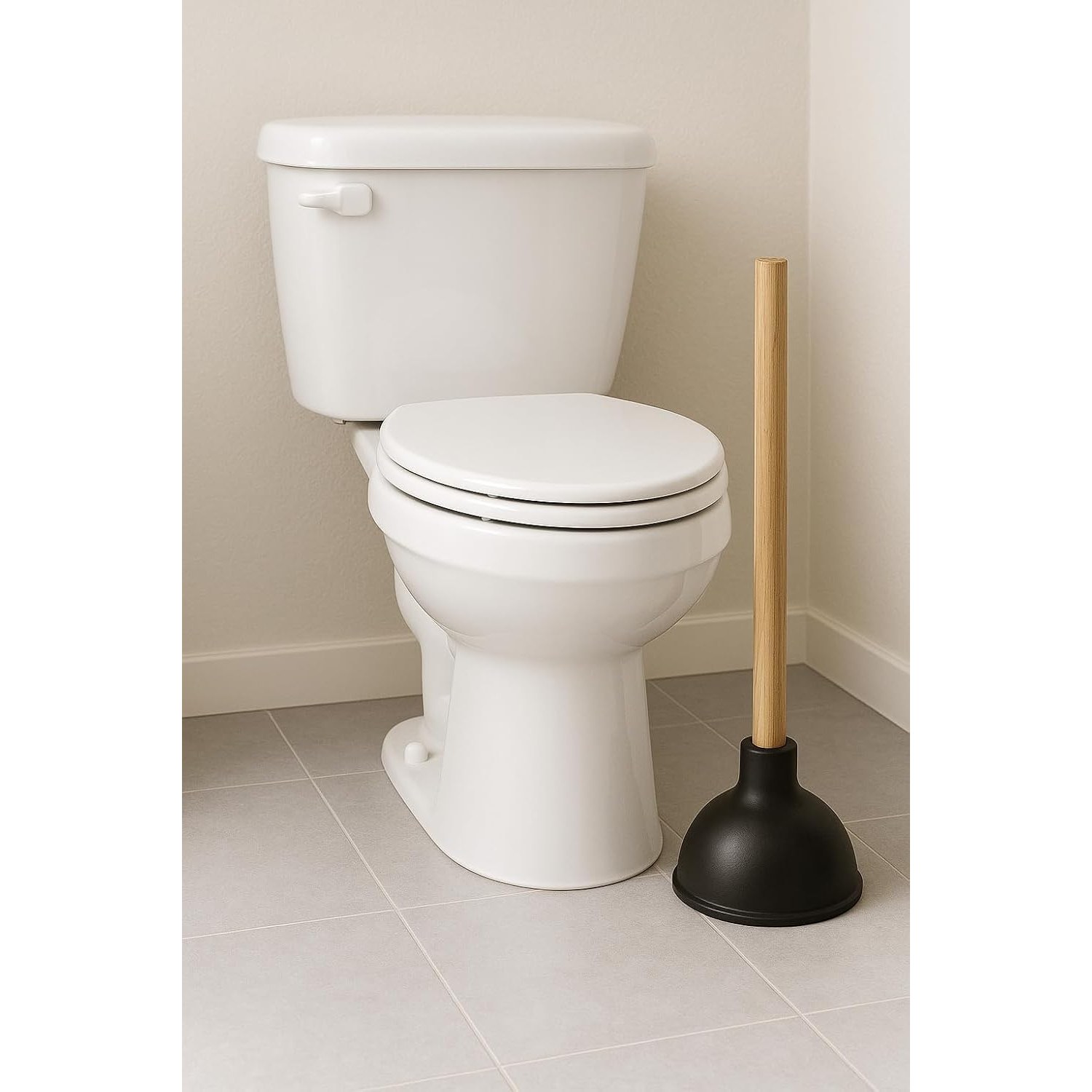
Flange Toilet Plunger | Heavy duty plunger for clogged toilets | dual purpose sink and toilet plunger

Flange Toilet Plunger with 17-Inch Wooden Handle

$27.99
  • Reinforced Rubber Cup
  • 17-Inch Wooden Handle
  • Toilet And Sink
  • Easy To Handle

Price: $27.99

  • Delivery time: 5 to 7 days, after a 24 to 48 hour handling time
  • Free delivery across the United States on orders of $50 or more, $15 flat on orders under $50. No sales tax at the checkout
  • Pay by card or PayPal, handled by the payment provider
  • 15 days to change your mind, our own policy, and faulty goods put right at our cost
Product specifications
Product Dimensions17 x 5.5 x 5 inches
Item Weight8.2 ounces (0.23 kg)
Handle Length17 inches
Cup Diameter5 inches
Fabric TypeRubber
ConditionNew
Weight0.23 kg
Shipping & returns

Tracked delivery to United States addresses. Standard delivery is free on orders of $50 or more and a flat $15 on orders under $50. Express Delivery is a paid upgrade at $22 on any order. Allow 5 to 7 days, after a 24 to 48 hour handling time. No sales tax is added at the checkout.

You have 15 days from delivery to change your mind on an unused item in its original packaging, with proof of purchase. That is this shop's own policy: there is no federal cooling-off period on an online purchase in the United States. You pay return shipping and a non-refundable $29 per order handling charge, and refunds are processed 24 to 48 hours after we receive the item.

If it arrives faulty, damaged, incomplete or not as described we put it right at no cost to you, return shipping included, and the 15 day window and its handling charge do not apply. Nothing on this page limits the implied warranty of merchantability or any right your state's consumer protection law gives you.

Shipping details · Refunds and returns

Reinforced Rubber CupThe 5-inch cup holds its shape under pressure so each push moves water, not air.
17-Inch Wooden HandleLong enough to work without crouching over the bowl, with a solid grip.
Toilet And SinkOne tool for toilets, sinks, showers and tub drains around the house.
Easy To HandleAt 8.2 ounces it is light to swing and simple to store between uses.

A flange toilet plunger that clears the blockage on the first few pushes, so you can get the bathroom back to normal fast.

A 5-inch reinforced rubber cup on a 17-inch wooden handle builds real suction for toilets, sinks, showers and tub drains.

A flange toilet plunger built around a 5-inch reinforced rubber cup that keeps its shape when you push hard.

The 17-inch wooden handle gives you reach and force so you are not bending low over the bowl.

Works on toilets, kitchen sinks, shower pans and tub drains, so one tool covers the whole house.

Light at 8.2 ounces, which makes the fast pumping motion that actually shifts clogs much easier.

A simple, no-batteries, no-chemicals fix to keep in the bathroom cabinet before you need it.

Flange Toilet Plunger with 17-Inch Wooden Handle

Every home needs a plunger it can trust, and most people find that out at the worst possible moment. This flange toilet plunger is the straightforward answer. It pairs a 5-inch rubber cup with a 17-inch wooden handle, which is the shape plumbers have relied on for decades because it works. There is nothing to charge, nothing to mix and nothing to wait for.

Flange Toilet Plunger with 17-Inch Wooden Handle

The cup is the part that matters. It is reinforced so that when you press down, the rubber compresses and springs back rather than folding flat. That rebound is what creates the push and pull of water in the drain line. Water does not compress, so each stroke sends a shock through the blockage and loosens it. A soft, thin cup just squashes and moves air, which is why cheap plungers feel like they do nothing.

Flange Toilet Plunger with 17-Inch Wooden Handle

The 17-inch handle changes how the job feels. You can stand in a reasonable posture, keep your hands clear of the bowl and still put your weight behind the stroke. Wood gives a warm, non-slip grip even when your hands are wet, and it does not flex the way a thin plastic stick can. The whole tool weighs 8.2 ounces, so fast pumping is easy to sustain for the twenty or thirty seconds it usually takes.

Flange Toilet Plunger with 17-Inch Wooden Handle

It is not only a toilet tool. The same cup seals over a kitchen sink drain, a bathroom sink, a shower pan or a bathtub outlet. For sinks and showers you cover any overflow hole with a damp cloth, add enough water to submerge the cup rim, and plunge the same way. That makes this a genuinely dual purpose sink and toilet plunger rather than a single-use item sitting in a corner.

Keep it somewhere you can reach quickly, because the value of a plunger is entirely about having one before you need one. Rinse it, let it dry and stand it upright. Looked after, a rubber-and-wood plunger lasts for years of occasional use and saves far more in avoided call-out fees than it costs.

Not sure yet? That is fine.

You can change your mind. You have 15 days from delivery on any unused item in its original packaging. That is this shop's own policy and not a statutory right, because there is no federal cooling-off period on an online purchase in the United States. You pay the cost of sending the goods back, and a non-refundable $29 per order handling charge applies.

If it turns up faulty, damaged, incomplete or not as described, that is on us: we repair it, replace it or refund it and we pay return shipping. The 15 day change of mind charges do not apply to a faulty item, and nothing here limits the implied warranty of merchantability or your state's consumer protection law.

Frequently Asked Questions

What is a flange toilet plunger?

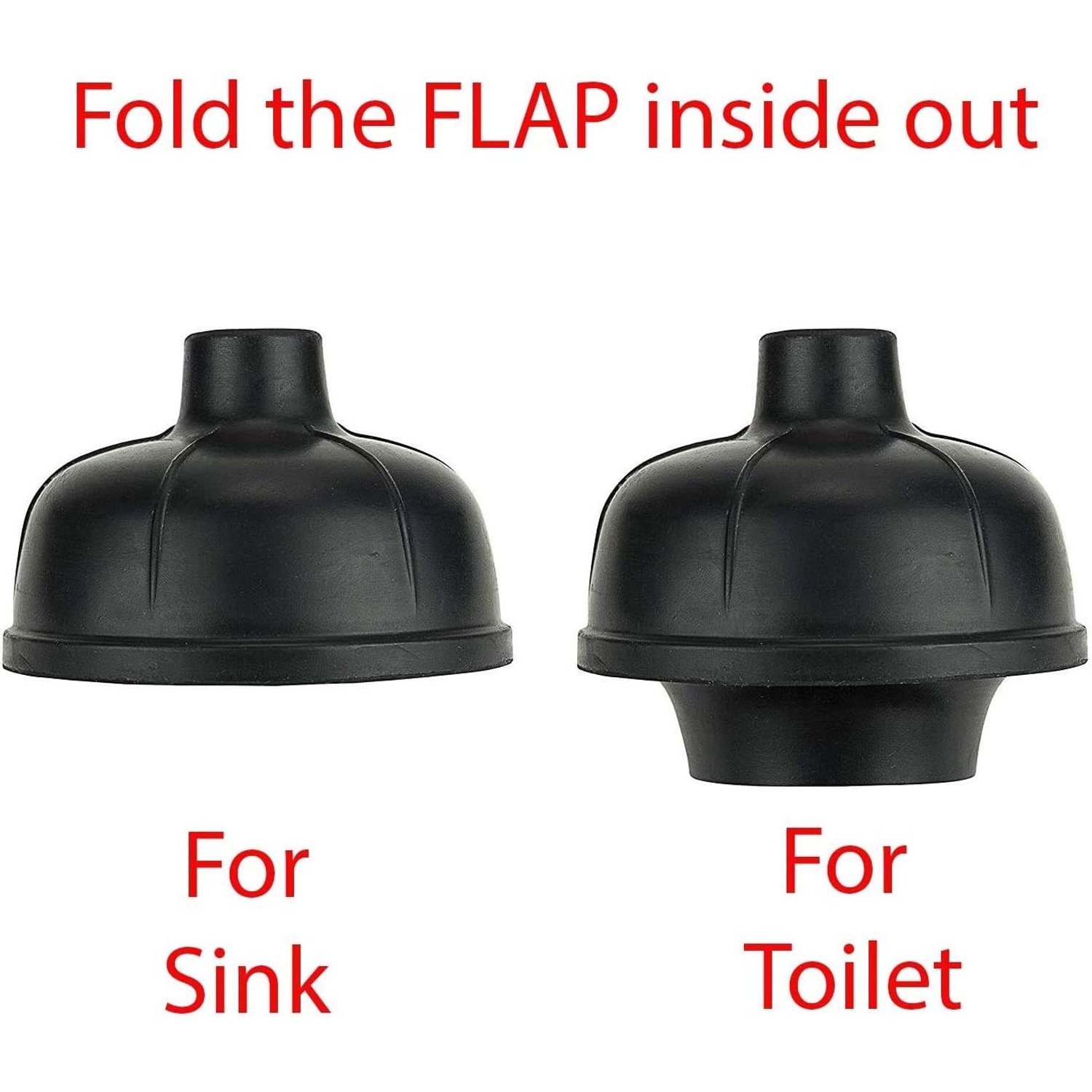
It is a plunger with an extended rubber lip, or flange, that folds out from the bottom of the cup. That flange tucks into the curved outlet of a toilet bowl and forms a seal. Without it, a flat cup tends to slip and leak air instead of moving water.

How is this different from a basic cup plunger?

A plain cup plunger is designed for flat surfaces like a sink base, so it struggles to seal inside a toilet. A flange design seals in the toilet outlet and can also be folded back to work on flat drains. That is what makes it a dual purpose sink and toilet plunger.

How long is the handle?

The handle is 17 inches. That is long enough to keep your hands away from the water while still giving you a direct, controlled push. Overall the product measures 17 x 5.5 x 5 inches.

How wide is the rubber cup?

The cup is 5 inches across. That size suits standard toilet outlets and also covers most kitchen and bathroom sink drains. It is a common size for a general household plunger.

What is the plunger made of?

The listed fabric type is rubber for the cup, and the handle is wood. Exact rubber compound details are not specified by the maker. The combination is the traditional build used for the best heavy duty plunger designs.

How much does it weigh?

It weighs 8.2 ounces, which is about 0.23 kg. Light weight matters here because clearing a clog means fast repeated strokes. A heavy tool tires your arms before the blockage shifts.

Will it work on a modern low-flow toilet?

Yes. Low-flow toilets use less water per flush but the trap and outlet shape are much the same, so a flange cup still seals. If anything, low-flow bowls clog more often, which is a good reason to keep the best plunger for clogged toilet situations close by.

Can I use it on a kitchen sink?

Yes. Fold the flange up into the cup so the base sits flat, cover the overflow hole if there is one, and plunge with a few inches of water in the sink. It handles the same job as a dedicated best sink plunger.

Does it work on shower and tub drains?

It does. Shower pans and tub outlets are usually flat enough for the cup to seal. Block the tub overflow with a wet cloth first, otherwise the pressure escapes there instead of going down the pipe.

How do I actually use it on a toilet?

Make sure there is enough water in the bowl to cover the cup, then seat the flange into the outlet at an angle so air escapes first. Push down gently to set the seal, then pump firmly fifteen to twenty times without breaking the seal. Pull off sharply on the last stroke.

Should I push hard or pull hard?

Both strokes do work, but the pull is often the one that frees the clog. Pushing drives the blockage further in, while pulling draws it back toward you where water can carry it away. A steady rhythm beats one big shove.

How long should I keep plunging?

Give it twenty to thirty seconds of steady pumping, then stop and look. If the water level drops, you are winning, so repeat. Most household clogs clear within two or three rounds.

What if the water is right up to the rim?

Bail some out into a bucket first so you have room to work without splashing. You still want enough water left to cover the cup. Plunging a near-full bowl just makes a mess and does not improve suction.

What if the bowl is nearly empty?

Add water with a jug until the cup is submerged. Air compresses, water does not, so a dry bowl means the strokes lose most of their force. This single step is the difference between the best toilet plunger working and seeming useless.

Can I use it with drain cleaner in the bowl?

It is not a good idea. Plunging chemical liquid can splash it onto your skin and eyes, and some cleaners attack rubber over time. Clear the water out first or let the chemical drain before you plunge.

Will it scratch the porcelain?

No. The cup is rubber and the only contact with the bowl is soft, so a standard toilet surface is not at risk. Just keep the wooden handle from banging against the rim as you work.

Is it safe on a septic system?

Yes. Plunging is purely mechanical, so nothing is added to the tank. That is one reason many septic owners prefer the best drain plunger over chemical products.

Can it clear toys, wipes or other solid objects?

Sometimes. Soft items like wipes often break loose with plunging, but a hard object such as a toy usually needs to be pulled out or reached with a toilet auger. If repeated plunging does nothing at all, stop and consider a different tool.

How do I clean it after use?

Rinse the cup thoroughly under running water or flush it in the clean bowl water after the clog clears. Shake off the excess and wipe the handle dry. A quick spray with a general disinfectant is fine on the rubber.

Can I put it in a dishwasher?

No. The heat and the wooden handle do not mix, and it is not a hygienic use of a dishwasher. Rinse by hand and dry it instead.

How should I store it?

Stand it upright in a holder, bucket or drip tray so the cup is not sitting in a puddle. Choose a ventilated spot rather than a sealed cabinet. Keeping the wood dry is the main thing for a long-lasting best wooden handle plunger.

Will the wooden handle swell or split?

Wood can mark if it is left soaking, which is why drying it after use matters. Wipe it down, stand it up and it will stay sound for years. Avoid leaving it in standing water or outdoors in the rain.

How long will the rubber cup last?

With normal household use and occasional cleaning, a rubber cup lasts for years. Replace it if the rubber cracks, goes stiff, or no longer springs back to shape after you compress it. A cup that stays folded cannot build pressure.

Do I need more than one plunger in the house?

Many people keep one in each bathroom and sometimes a smaller one near the kitchen. Having the right tool on the same floor saves you carrying a wet plunger through the house. This model covers both roles if you only want one.

Is it suitable for commercial or rental properties?

It is a standard household design, which suits homes, apartments and small rentals. For heavy daily use in a busy commercial washroom, most managers keep several plus a toilet auger. For a rental cabinet, it is a sensible best household plunger choice.

Can children or older family members use it?

The tool is light at 8.2 ounces and takes no real strength to operate, so most adults manage easily. Young children should not be using it around an open toilet. Technique matters more than muscle.

Does it come assembled?

It is supplied as a single tool with the cup attached to the handle. There is nothing to build, charge or set up. Take it out of the packaging and it is ready.

What is included in the box?

You receive one flange toilet plunger. A separate drip holder is not listed as included in the maker's details. A small bucket or tray works perfectly well for storage.

How does delivery and returns work?

Orders ship from our fulfilment partner and you will receive tracking once the parcel leaves the warehouse. Delivery times vary by destination, and the current estimate shows at checkout. If something arrives damaged, contact us with a photo and we will sort it out.

What if it is not right for me?

If the plunger is not what you expected, get in touch within the returns window and we will walk you through sending it back for a refund or exchange. Keep it unused and in its packaging if you can, since hygiene items are harder to process once used. Tell us what went wrong too, because that feedback shapes what we stock next.

How To Choose And Use A Flange Toilet Plunger

6 min read EzyDrains Company

The problem nobody plans for

A blocked toilet is one of those small disasters that always happens at the wrong time. Guests are over, or it is late, or you have five minutes before you need to leave. And the thing that makes it worse is not the clog itself. It is standing there realizing the only plunger in the house is a flimsy thing with a floppy cup that has never actually worked.

That is the gap this tool fills. A flange toilet plunger with a 5-inch reinforced rubber cup and a 17-inch wooden handle is the plain, proven version of the job. No motor, no chemicals, no waiting. Just a tool that makes water do the work.

How a plunger actually clears a clog

Most people think a plunger sucks the blockage out. It is closer to the truth to say it shakes it loose.

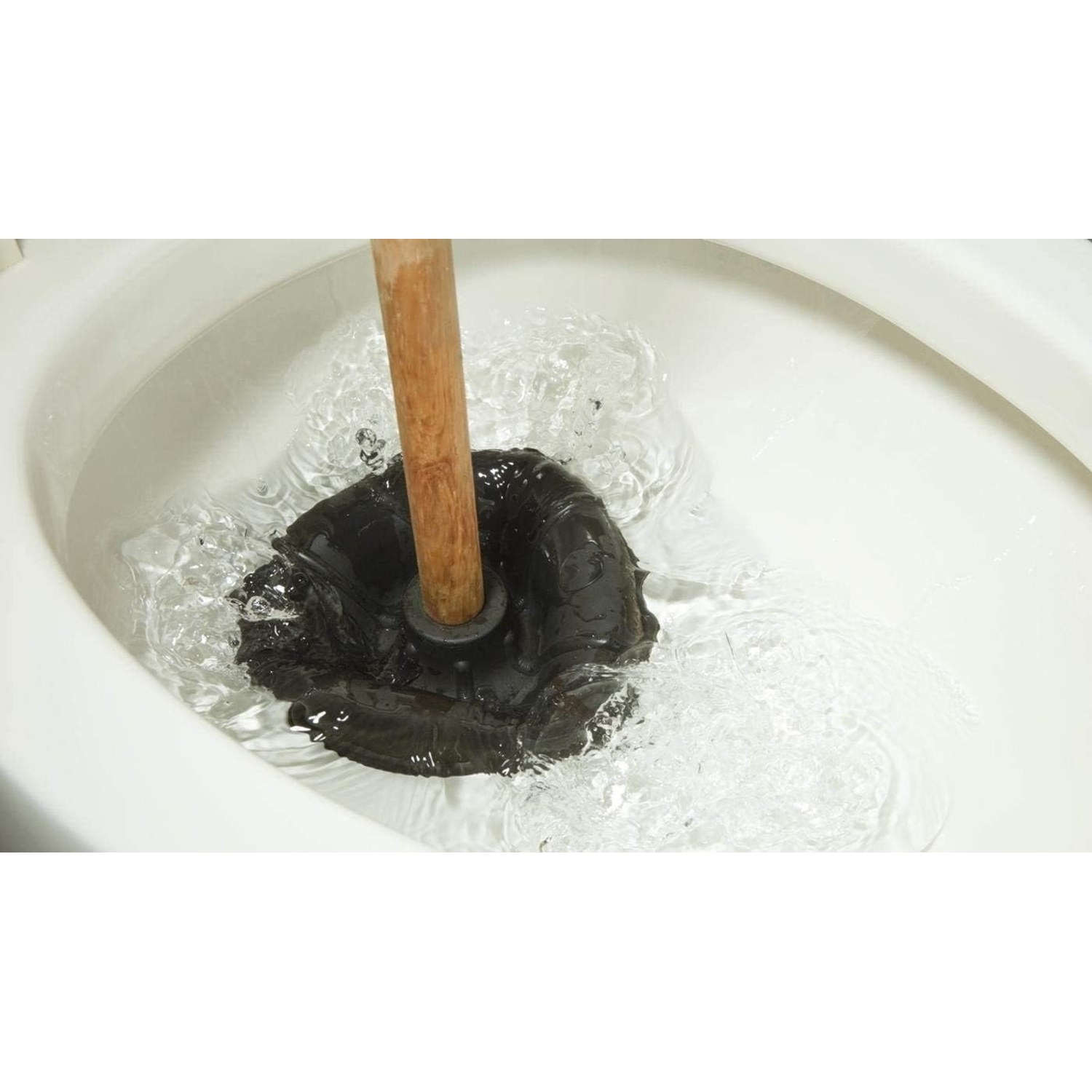
When you seal the cup over the drain opening and push, you compress the air in the cup and then drive water down the pipe. Water will not squash, so that force travels straight to the obstruction. When you pull back up, you create the opposite effect and drag water and debris back toward the bowl. Doing that over and over breaks apart the soft mass of paper and waste that makes up the vast majority of household blockages.

Two things decide whether any of that happens. The first is the seal. If air is leaking out around the rim, the energy escapes instead of going down the pipe. The second is water. If the cup is sitting in air rather than water, your strokes mostly compress air and achieve very little. Add water until the cup is covered and the same plunger suddenly feels twice as strong.

Why the flange matters

Look at the bottom of a toilet bowl and you will see a curved, funnel-shaped outlet. A flat cup cannot seal against that shape. It slides around and whistles air.

A flange is an extra sleeve of rubber that folds down out of the cup. It pushes into that curved outlet and grips, giving you a proper airtight fit. Fold the flange back up inside the cup and you have a flat-bottomed cup again, ready for a sink, a shower pan or a tub drain. That is the whole argument for a dual purpose sink and toilet plunger. One tool, two shapes, both jobs covered.

What to look for when you are choosing one

Cup stiffness. Press the side of the cup with your thumb. Good rubber resists and springs straight back. Thin rubber folds and stays folded, which means it collapses on the push stroke and never builds pressure. The reinforced cup on this model is the reason it keeps working after the novelty wears off.

Cup diameter. Five inches is the useful middle ground. It is wide enough to seal a standard toilet outlet and still small enough to sit over a kitchen or sink drain. Much larger and you lose the sink option.

Handle length. Seventeen inches keeps your hands and sleeves clear of the water while letting you push straight down. Very short handles force you to crouch over the bowl, which is both unpleasant and poor force. Very long handles get awkward to store.

Handle material. Wood gives a grippy, non-slip hold even with wet hands, and it does not flex under load. Thin plastic shafts can bow when you really lean on them.

Weight. At 8.2 ounces this one is light. That sounds like a small detail until you are twenty strokes into a stubborn clog. Light tools let you keep a fast rhythm, and rhythm is what actually shifts things.

Step by step on a toilet

Start by checking the water level. You want enough to cover the cup but not so much that the bowl is about to overflow. Bail some out with a jug if you need to, or add some if the bowl has drained low.

Lower the plunger into the bowl at a slight angle so water fills the cup and the air gets out. This is the step most people skip, and it is why their first few strokes splash rather than work.

Seat the flange into the outlet and give one gentle push to set the seal. Then pump firmly, straight up and down, fifteen to twenty times. Keep the cup in contact with the bowl the whole time. On the final stroke, pull up sharply to break the seal.

Look at the water. If the level drops, the clog has loosened and you should repeat the cycle to flush it all the way through. If nothing has moved after three full rounds, the obstruction is likely something solid and you will want a toilet auger instead of more force.

Using it on sinks, showers and tubs

Fold the flange up inside the cup first. You want a flat base for a flat drain.

Then find the overflow. Most bathroom sinks and nearly all tubs have one, and it is an open channel that lets your pressure escape sideways. Stuff a damp cloth into it and hold it there, or get someone to press a hand over it. On a double kitchen sink, block the second drain the same way.

Run a couple of inches of water, seat the cup and plunge with the same steady rhythm. Sink clogs are usually grease, soap scum or hair, and they often give way faster than toilet blockages. Follow up with a kettle of hot water down the drain to wash the loosened grease through the trap.

Care, storage and when to replace

A plunger needs almost nothing. Rinse the cup properly, either under a faucet or in the clean water of the bowl after the clog clears. Shake it off, wipe the wood dry and stand it upright so the cup drains rather than sitting in a puddle.

Store it somewhere ventilated. A bucket, a drip tray or a purpose-made holder all work, and a dark sealed cabinet is the one place to avoid, because that is how wooden handles stay damp. Keep it away from bleach tubs and solvents too, since both age rubber faster than normal use.

Replace the plunger when the rubber loses its spring. If you press the cup and it stays dented, it cannot generate pressure any more. Cracks around the flange are the other sign. For most homes that point is years away.

A few things worth knowing

Chemical drain cleaner and plunging do not go together. If you have already poured something in, let it drain or bail the water out before you start, because splashing caustic liquid at face height is a genuine hazard.

Wear rubber gloves and put an old towel on the floor. It takes ten seconds and saves the clean-up.

And keep the plunger where the problem happens. A tool in the garage when the clog is upstairs is not much help.

The short version

A flange toilet plunger works because of three simple things. A stiff rubber cup that holds its shape, a flange that seals inside the curved toilet outlet, and enough water in the bowl for the strokes to transmit force. This one gives you a 5-inch reinforced cup on a 17-inch wooden handle at 8.2 ounces, which covers toilets, sinks, showers and tub drains with one tool.

Buy it before you need it, store it upright and dry, and the next blockage becomes a short, slightly annoying job rather than an emergency.

Browse the shop

Ready to stop dreading a blocked toilet?

Keep a proper flange plunger in the cabinet and most clogs become a two-minute job instead of a phone call.

Ask us a question

Page summary

The flange toilet plunger is a manual drain clearing tool with a 17-inch wooden handle and a 5-inch reinforced rubber cup. Overall dimensions are 17 x 5.5 x 5 inches and the item weighs 8.2 ounces (0.23 kg). The listed fabric type is rubber. It is designed to create suction and pressure in a drain line to dislodge clogs, and the manufacturer describes it as suitable for toilets, sinks, showers and tub drains. Model number is 8541795547. Color, country of origin and GTIN are not specified by the maker, and no certifications, warranty or verified rating figures are stated. The product is new and in stock, with pricing listed across thirteen currencies.