
The complete guide
How to Choose and Use a Flexible Grabber Claw Tool
The small problem that becomes a big one
A ring slips off while you are washing your hands. A screw drops off the counter and rolls under the cabinet. A socket falls into the engine bay and disappears between two brackets. None of these are serious problems, and yet all of them can eat an hour.
The usual options are bad. You can take the drain trap apart, which means a bucket, a wrench, water on the floor and a decent chance of a leak when you put it back together. You can move the fridge or the washing machine, which means scratched floors and a sore back. Or you can give up and lose the thing.
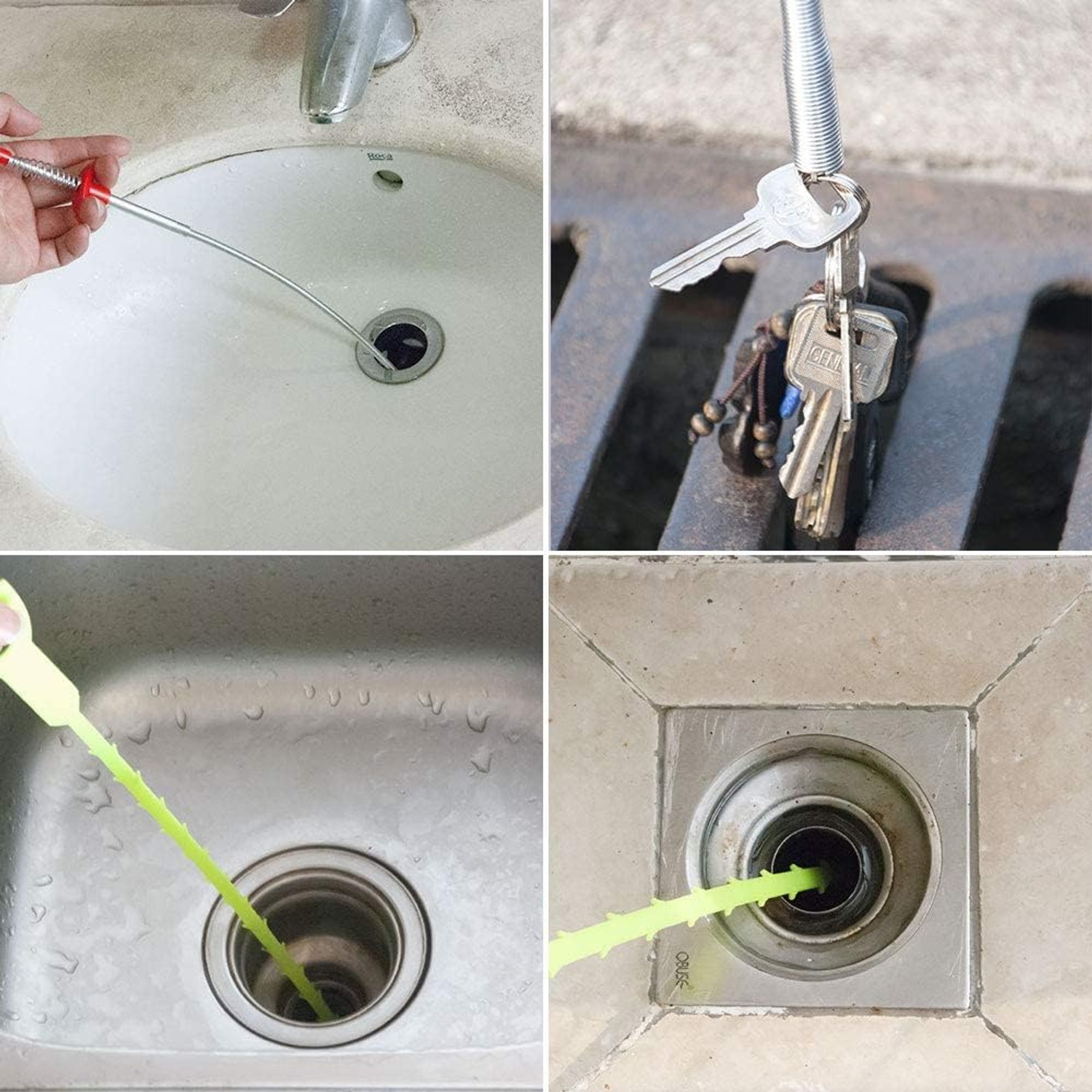
A flexible grabber claw tool is the fourth option. It goes into the space where the item is, grips it, and comes back out. The drain stays assembled, the appliance stays where it is, and the job takes two minutes instead of two hours.
How the tool works
The mechanism has not changed much in decades because it does not need to. There is a handle at one end, a long thin shaft, and a set of claws at the other end. A cable or rod runs through the shaft. Squeeze the handle and the claws open. Let go and a spring draws them closed.
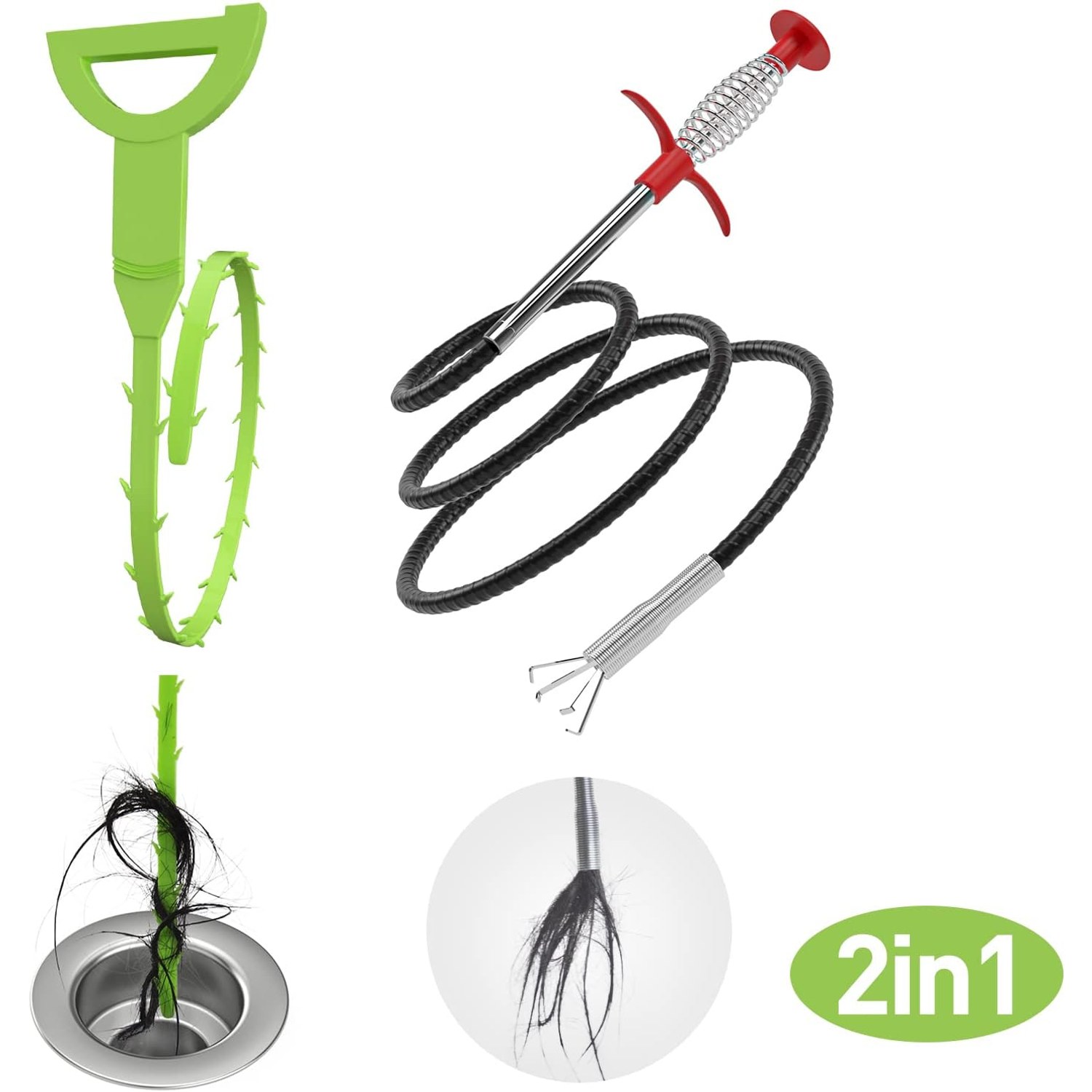
This model has four claws rather than two. That matters more than it sounds. Two prongs pinch an object at two points, and anything round or wet has a habit of rotating out of that grip. Four claws surround the item, so a ring, a bolt head or a bottle cap sits in a cradle rather than in a pinch. When you are drawing something up a wet pipe and cannot see it, the difference between a four-point grip and a two-point grip is the difference between recovering it and dropping it further down.
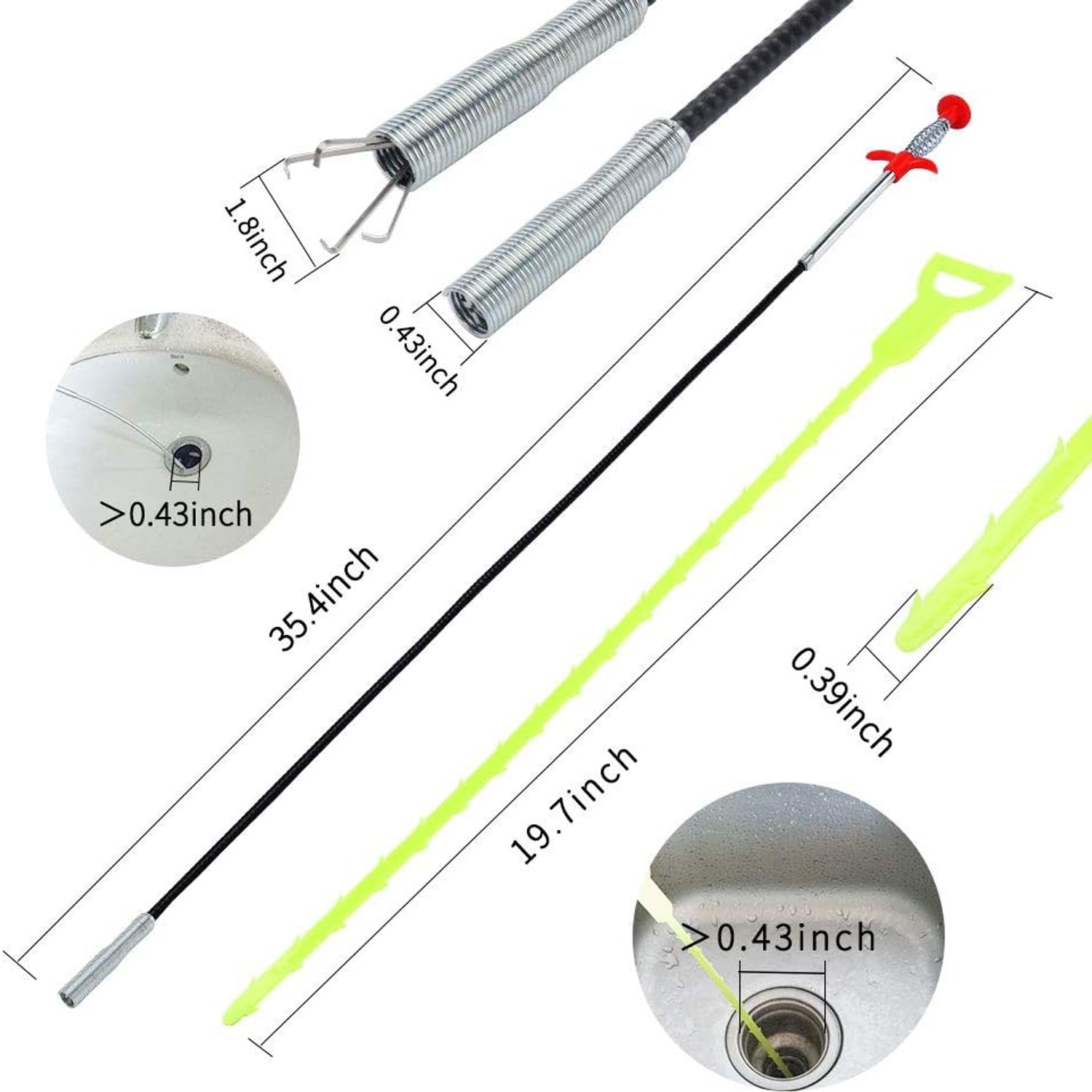
The shaft on this one measures 0.43 inches across, which is around 1.1 cm. That narrowness is what lets it through drain grates, sink openings, vent slots and the gap between a seat rail and a car floor. A thicker grabber simply will not enter those places.
The shaft is also flexible. You bend it by hand and it stays bent. Before you feed it into a sink, you can put a gentle curve in the last few inches to match the bend of the trap. The head then follows that curve instead of jamming into the elbow. For under-car and behind-appliance work, you bend it to hook around an obstruction and reach the space beyond.
Total length is 35.4 inches. That is long enough for a bathroom sink trap, most shower drains, the back of a dryer and the full depth of a car seat gap, while still being short enough to control without the shaft waving around.
Who this suits
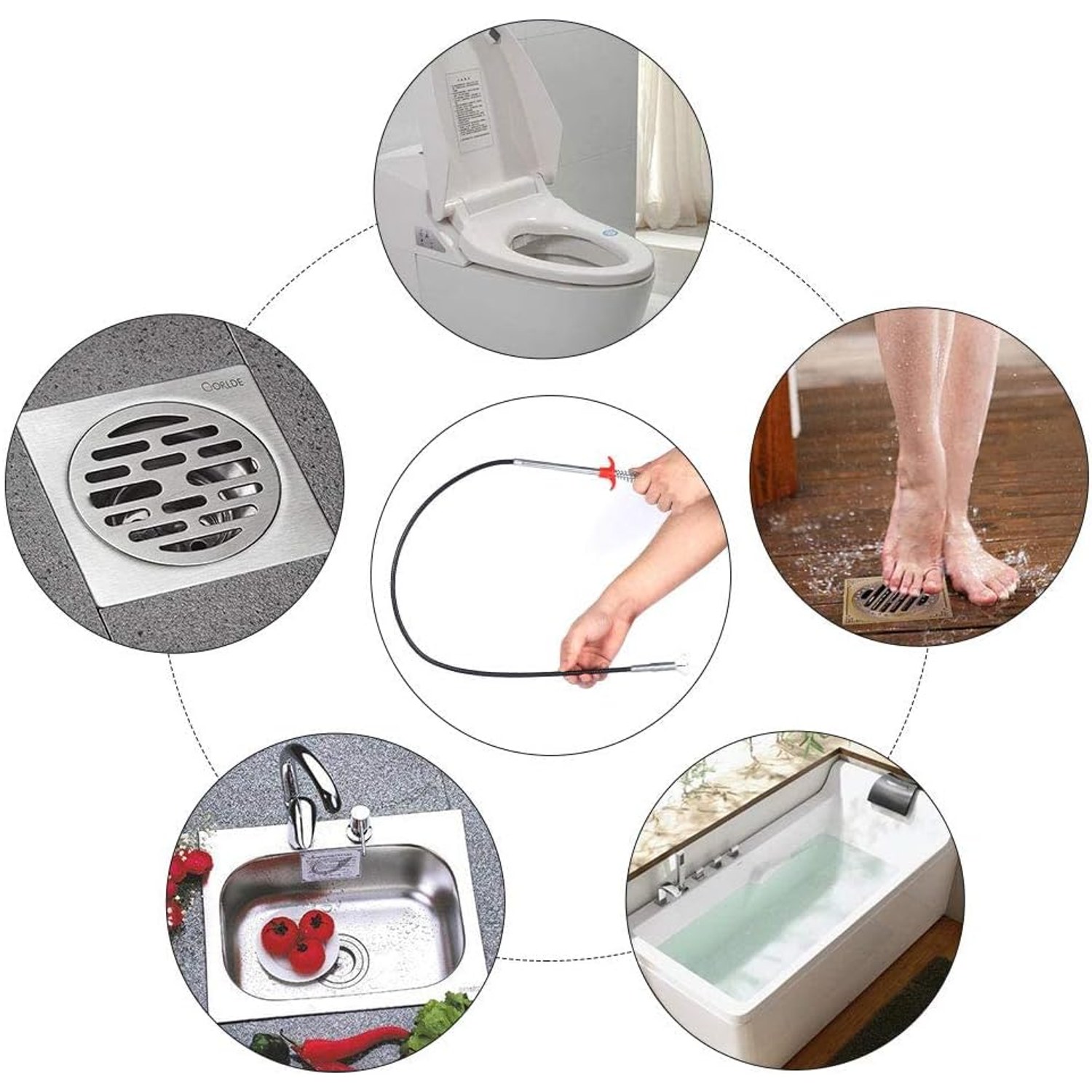
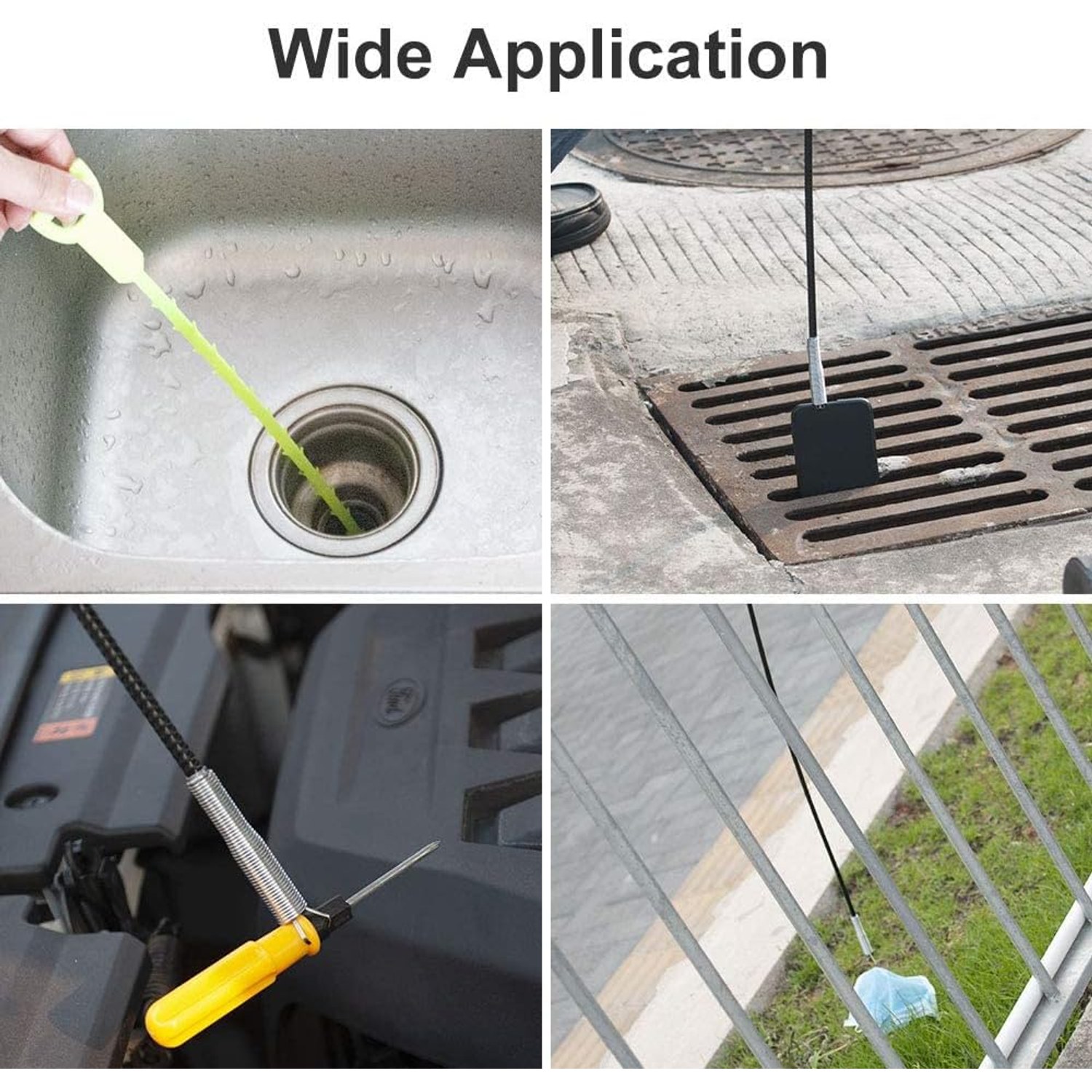
Households get the most everyday use out of it. Bathrooms and kitchens are where small valuable things meet open drains. If anyone in the house wears rings, earrings or small hearing aid parts near a sink, having the best drain grabber claw already in the drawer is cheap insurance.
Car owners and home mechanics are the other big group. Dropped fasteners in an engine bay are a universal annoyance, and a bendable shaft reaches places a magnetic pickup cannot because the part is aluminum or plastic. Anyone who has fished under a dashboard for a dropped phone will understand the appeal.
Tradespeople keep one in the bag. Plumbers use it for first-pass retrieval before deciding whether a trap needs to come off. Electricians use it to pull a dropped fish tape or cable end out of a stud bay. Appliance technicians use it around machine housings.
It also helps anyone who finds bending and reaching difficult, for narrow spaces at least. Just be clear that it is not a mobility reacher. A proper reaching aid has a wide jaw and a pistol grip for picking things off the floor. This is a narrow-access tool, and the best pick up tool for drains is not the same thing as the best tool for picking a newspaper off the carpet.
How to choose one
A few things actually matter when you compare these tools.
Shaft diameter decides where it can go. If the shaft is thicker than your drain opening, nothing else about the tool matters. Under half an inch is the useful range for drain work.
Number of claws decides what it can hold. Four claws handle round and smooth items far better than two or three.
Length decides reach. Short models around 24 inches are fine for car interiors but come up short on a kitchen sink trap. Around 35 inches is a good general-purpose length that covers most domestic jobs without becoming unwieldy.
Shaft behavior decides whether the tool fights you. A shaft that springs back to straight is frustrating, because you have to hold the curve as you feed it in. One that holds the shape you give it does the work for you.
Build material decides how long it lasts. Stainless steel in a tool that spends its life in wet drains is the sensible choice, since ordinary steel will start showing rust after a handful of uses.
Getting the best out of it in a drain
Technique makes a real difference. Start by removing the strainer or opening the pop-up stopper so you have a clear opening. Shine a flashlight down if you can, and look before you go in.
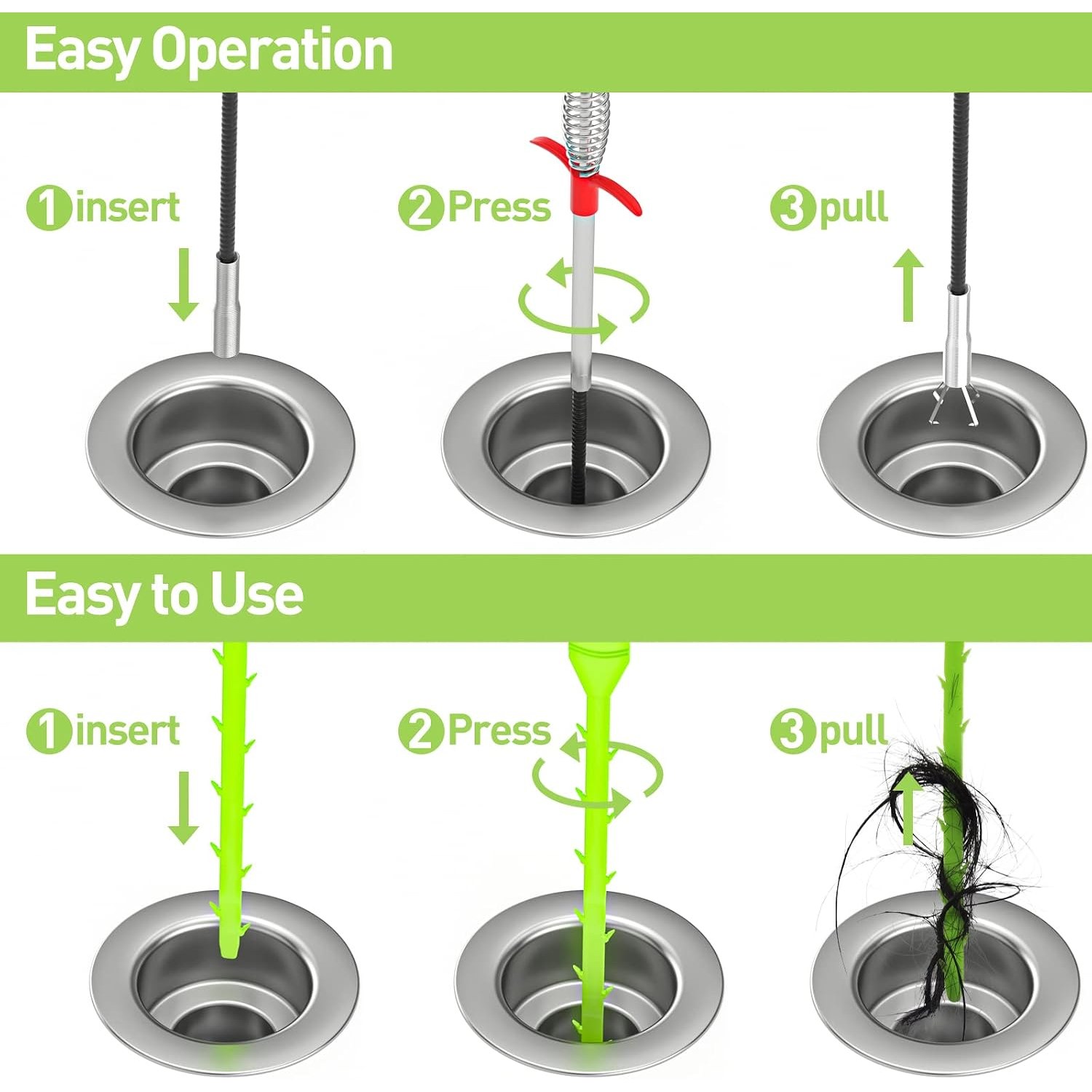
Feed the tool in with the claws closed. Go slowly. The most common mistake is pushing fast and nudging the item deeper into the pipe, where it is much harder to recover. If you feel resistance, back off slightly and change the angle rather than forcing it.
Once you are at the item, press the handle to open the claws, bring them over or around the object, then release the handle smoothly. Do not snap it. Lift in one steady movement, keeping the shaft as straight as the pipe allows, and resist the urge to rush the last few inches. That is usually where things get dropped.
If the item is sitting in standing water in the trap, it helps to bail some of the water out first with a turkey baster or a small cup so you can see what you are aiming at.
For hair, the tool will lift clumps that sit near the top of the drain or on the strainer. If the clog is packed deep in the pipe, swap to a barbed drain snake, which is built to hook hair along its whole length. A grabber and a snake are complementary rather than competing, and plenty of people keep one of each under the sink.
Looking after it
Care is minimal but worth doing. Rinse the claw end under warm water after any drain job, and use a drop of dish soap if it has been somewhere grim. Dry the shaft and head with a cloth. Metal left wet in a drawer is metal that will eventually disappoint you.
Keep the handle free of grit so the spring action stays smooth. Store the tool hanging, flat, or in a loose coil. Avoid folding the same point sharply time after time, because repeated hard creases weaken any flexible shaft. Straightening it gently by hand after each use is fine and is part of how it is meant to be used.
One rule above all others: this is a retrieval tool, not a lever. Do not use it to pry, to force a blockage, or to pull on something that is wedged. The claws are made for light objects, and the fastest way to ruin one is to ask it to do a crowbar's job.
The short version
If you have a sink, a shower, a car or a toolbox, there is a day coming when something small ends up somewhere you cannot reach. A 35.4 inch flexible grabber claw tool with a 0.43 inch shaft and four spring-loaded claws handles that day for the price of a takeaway.
It is light at 3.52 ounces, made of stainless steel with a plastic handle, takes no batteries and needs no setup. Bend it to the shape of the problem, feed it in, squeeze, release, lift. Then rinse it, dry it and put it back in the drawer until the next time.
Buy it before you need it. Everyone who owns one bought it the day after they wished they had.