
The complete guide
How to Choose a 4 Inch Drainage Grate Cover for Your Yard
The puddle that never quite goes away
Every yard has one. A low spot by the shed, a strip of lawn beside the patio, the corner of a bed where water stands for two days after rain. Somebody may have already run a pipe to carry it away, or you may be about to. Either way the weak point is the same, and it is the open end where water goes in.
Leave a 4 inch pipe open to the sky and it becomes a funnel for everything that moves across your yard. Leaves first, then bark chips and grass clippings, then fine soil during the next heavy fall. You will not see any of it. What you will see, a year or two later, is water sitting on top of a drain that used to work.
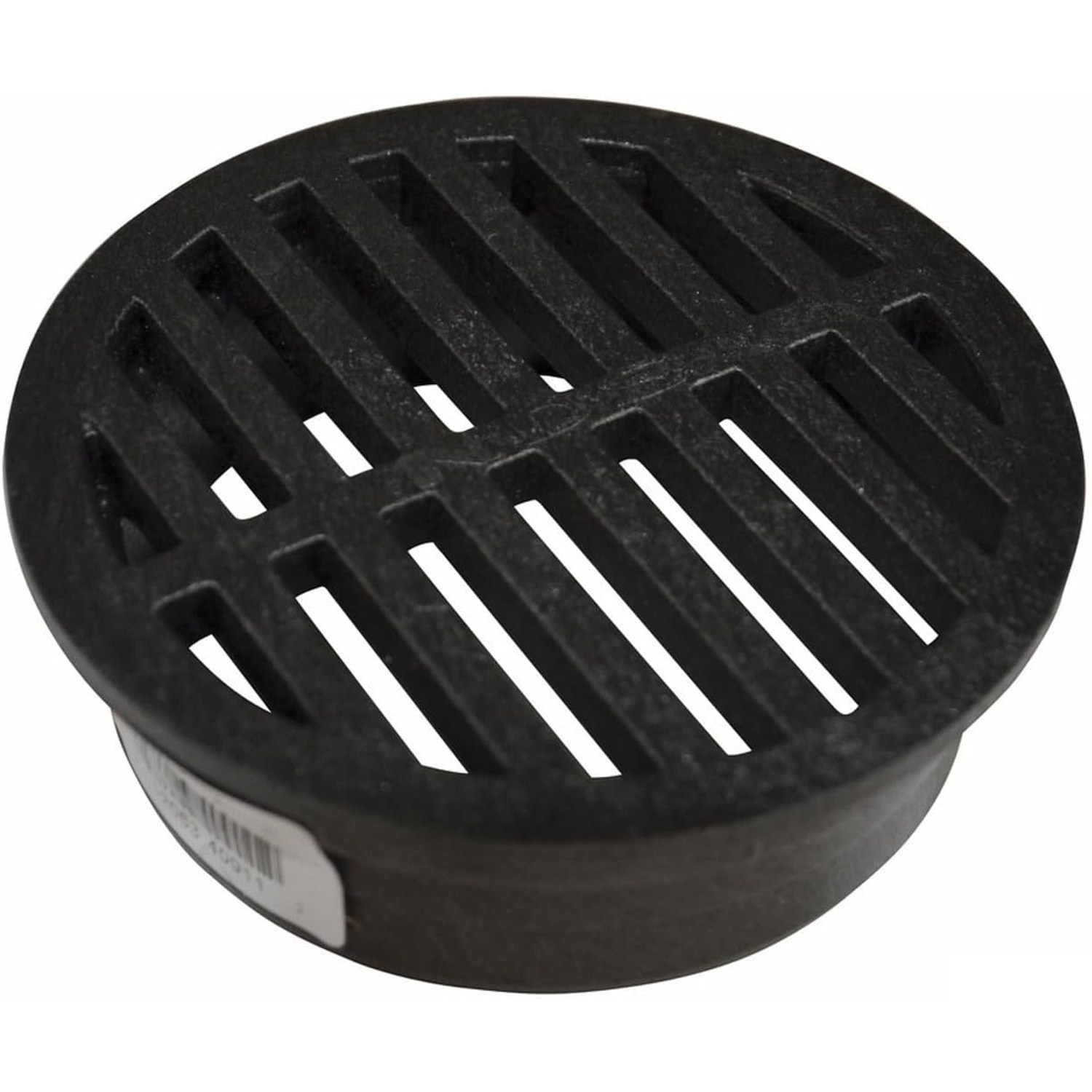
A round drainage grate cover 4 inch stops that at the source. It is a small plastic part doing a simple job, and it tends to be the difference between a drainage run that keeps working and one you have to dig up.
How a drain grate actually works
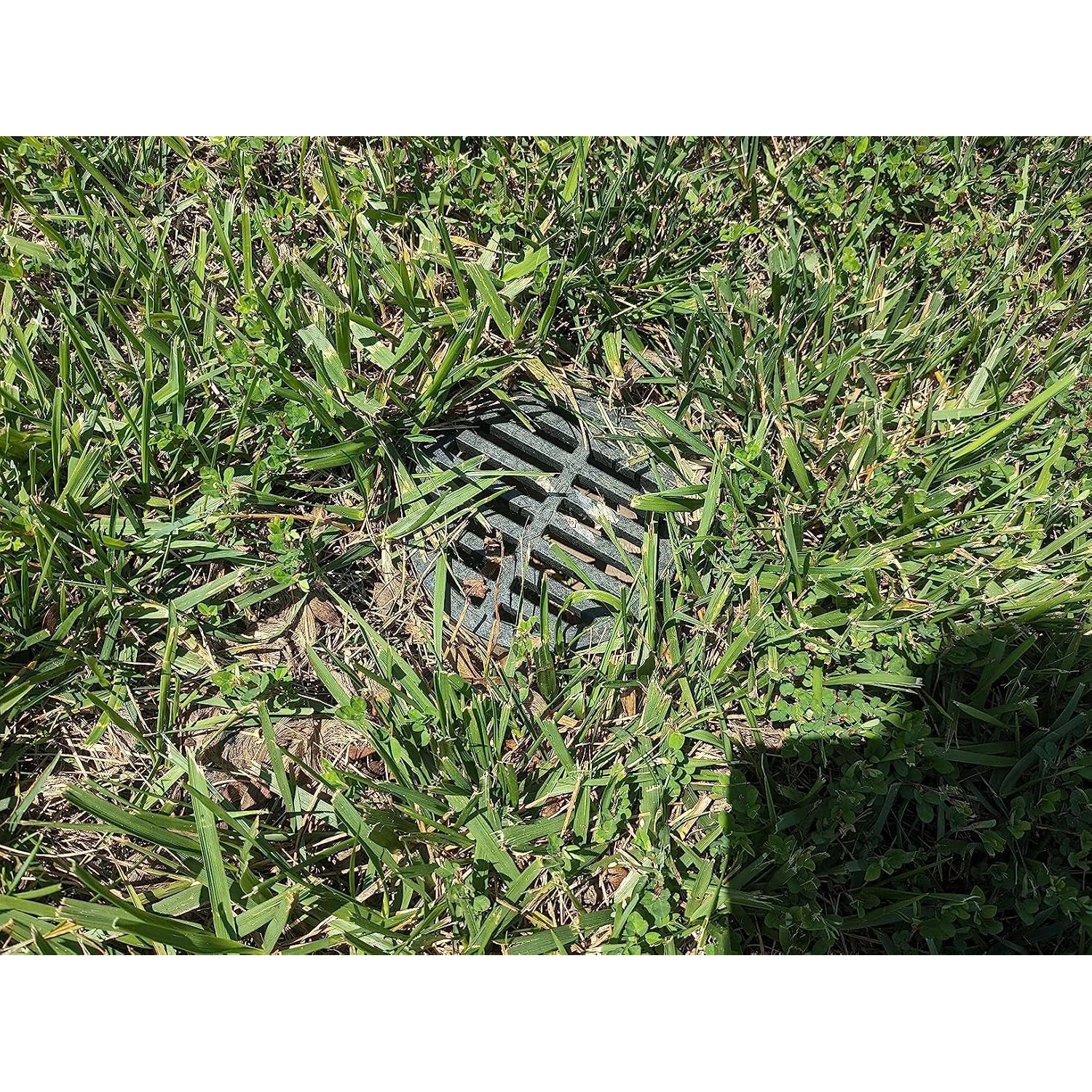
The grate is a slotted face that sits over the pipe opening. Water passes between the slots. Anything wider than the slots stays on top.
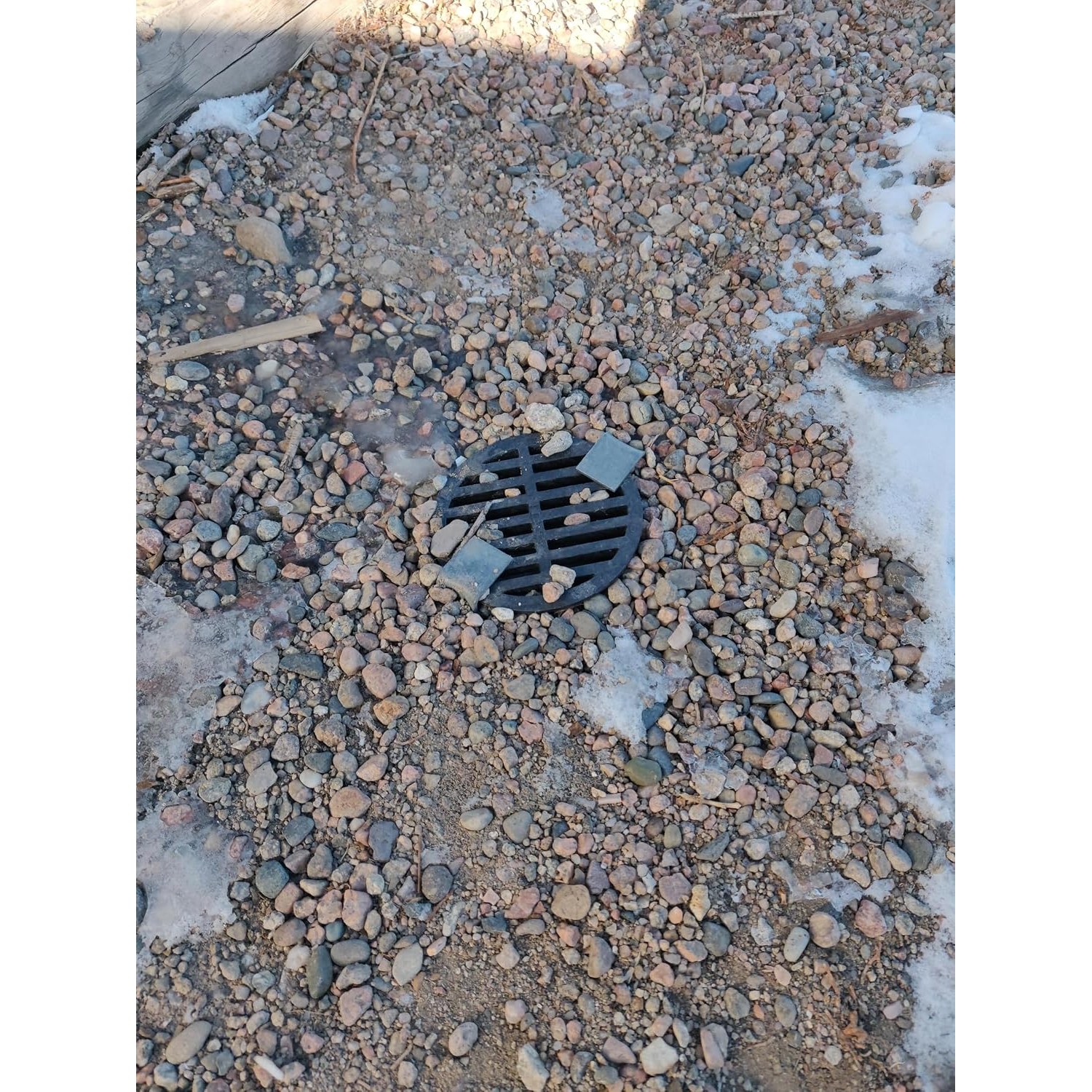
That sounds obvious, but the detail that matters is what happens to the debris that lands on it. A poorly shaped grate lets leaves lie flat and seal the surface, so water sheets over the top and the drain does nothing. A better pattern, described here as anti-clogging, keeps enough open area and enough shape that leaves tend to shift rather than stick. Rain itself does a lot of the clearing.
There is a second job people forget. The grate is also your window into the pipe. When water pools around it you know something is wrong, and you can lift it and look. Without a grate you have a hole, and a hole tells you nothing.
Matching the grate to your pipe
This is where most mistakes happen, so take a minute on it.
Measure the pipe, not the hole in the ground and not the old cover. This grate is listed for a 4 inch fit, with both the compatible groove diameter and the hole size given as 4 inches. It is listed as working with drain pipe, sewer pipe, single-wall corrugated and triple-wall pipe. In a typical backyard that covers almost everything, because 4 inch is the standard size for residential surface drainage.
If your pipe is 3 inch or 6 inch, this is not the part. If you are not certain, look at the printing on the side of the pipe, which usually states the size, or measure across the inside of the end.
One more thing worth checking. Some older runs end in a fitting rather than bare pipe, and the fitting may change the effective diameter. The grate is designed to be used with pipe and connecting fittings, so work out what your final piece is before you order.
When you want a grate instead of a catch basin
A catch basin is a box buried at the inlet. Water drops into it, heavy grit settles in the bottom, and the cleaner water flows out the side into the pipe. Sinks are good, and in a spot that collects a lot of silt they save you work.
They are not always possible. A sink needs a hole considerably wider and deeper than the pipe. Along a narrow path, in a raised bed, between tree roots, or where the pipe is already shallow because of a slab or a footing, there is simply nowhere to put one.
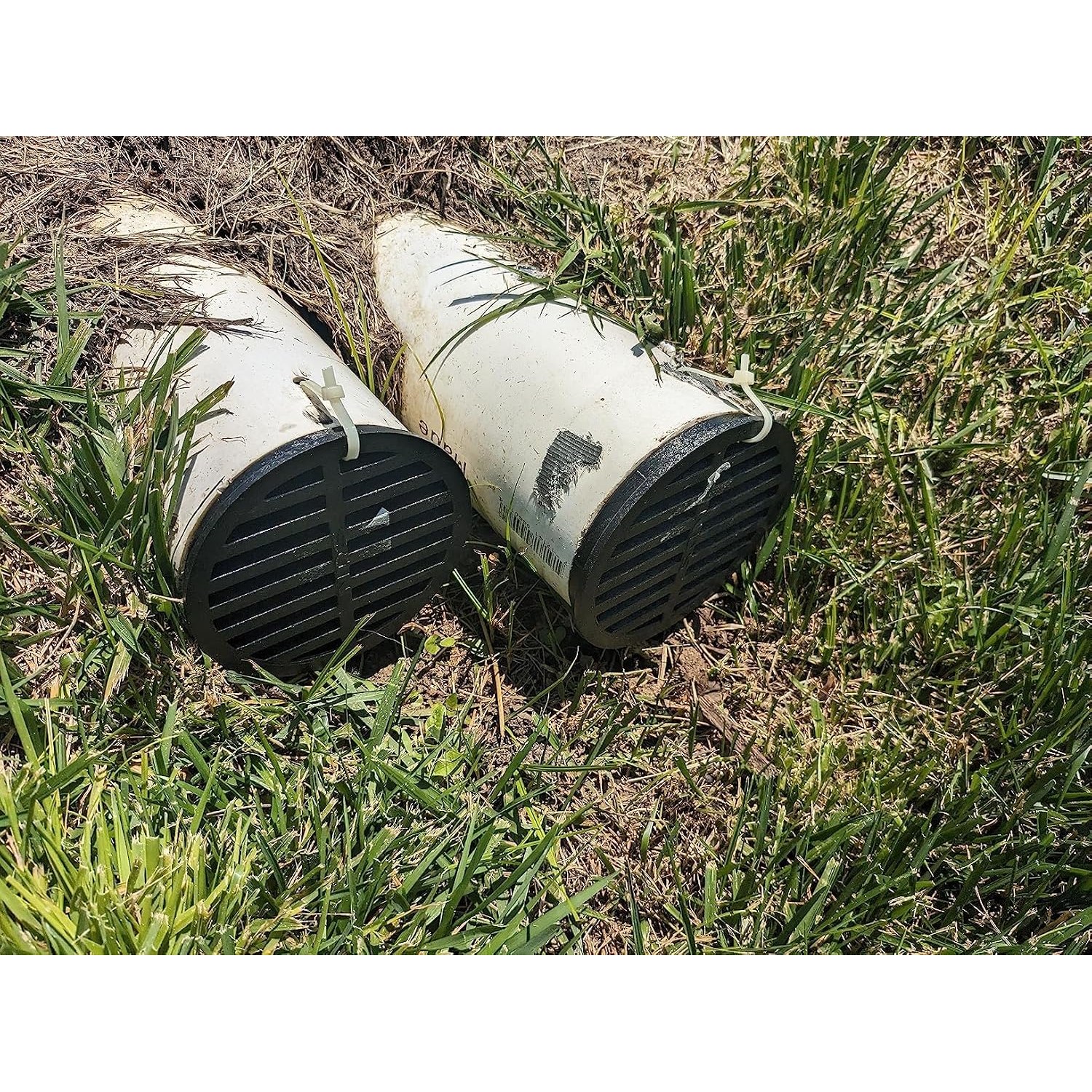
That is the case this grate is built for. You run pipe to the point you want the water, cut it to height, and cap it. No box, no extra depth, fewer joints to seal. It is less dig and less cost, with the trade-off that silt travels down the pipe rather than collecting in a sump. If your inlet sits in mulch or lawn rather than bare soil, that trade-off is usually fine.
Where it goes and how to set the height
Think about the low point first. Water will not run uphill to reach a grate, no matter how good the grate is. Watch the yard during real rain and mark where the water actually gathers, which is often not where you assumed.
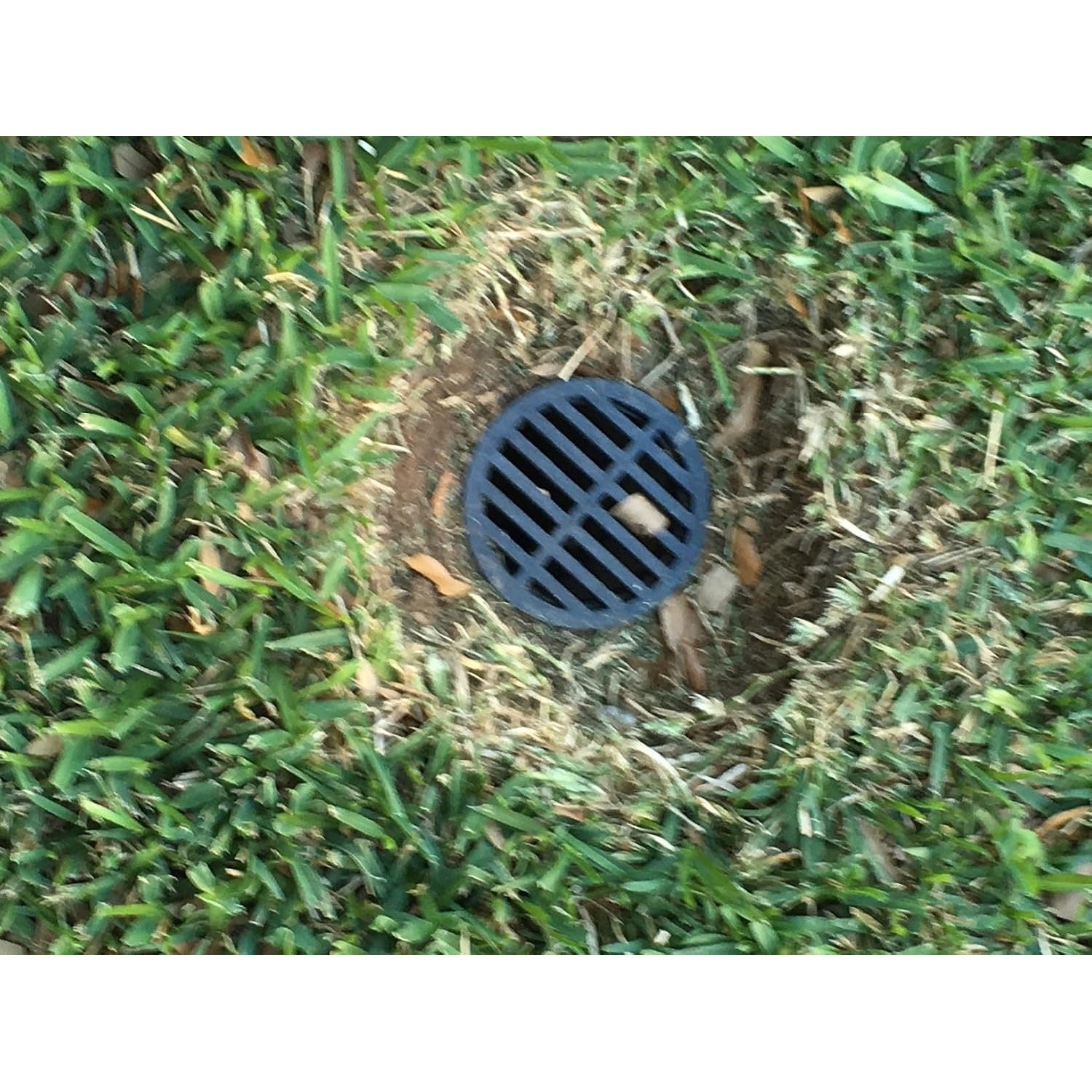
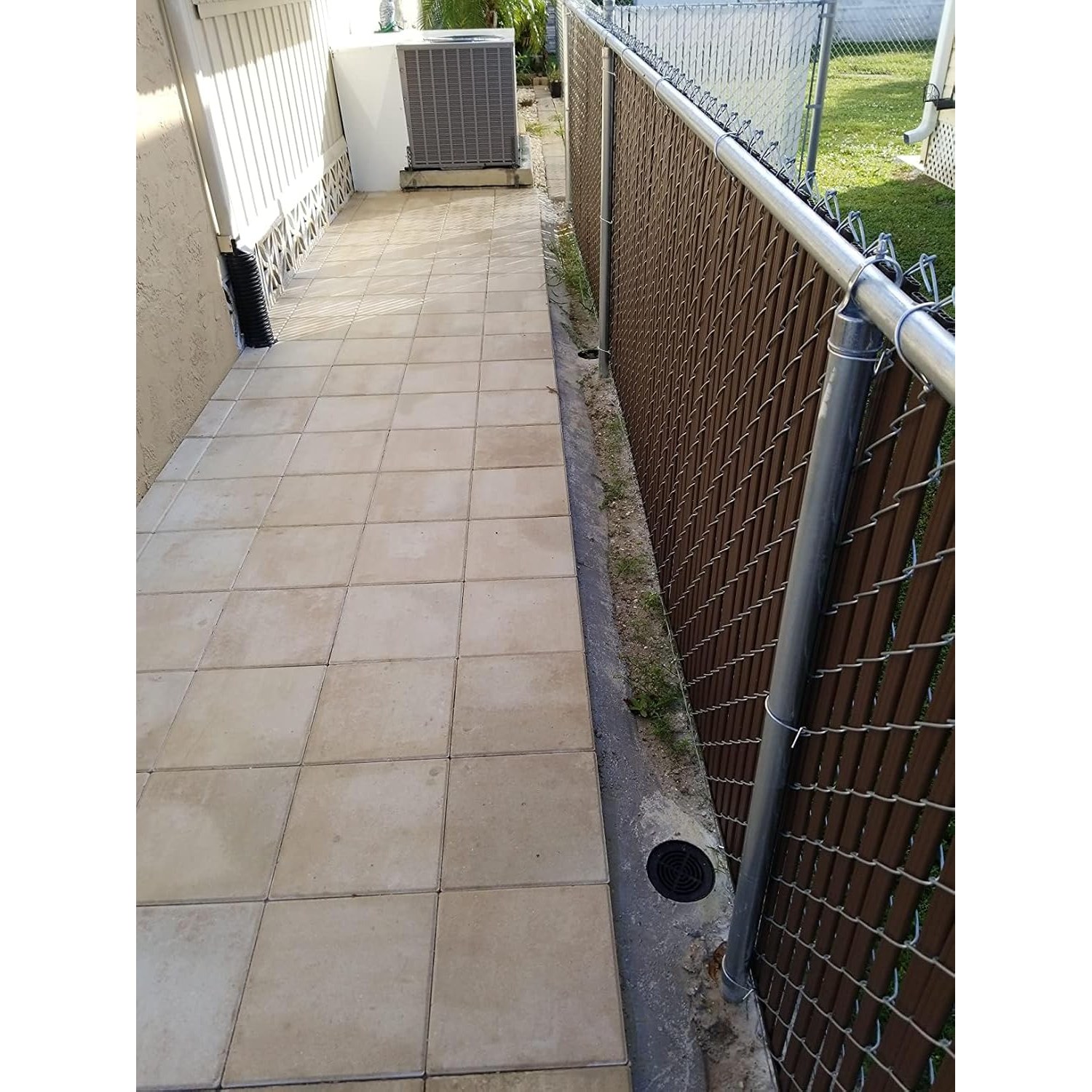
Set the grate so the top sits level with the finished surface, or a few millimeters below it. In turf, a touch low is better than a touch high, because the mower will clear it and the surrounding grass will not stop water reaching the face. On a patio or path, flush is what you want so nobody catches a toe.
Firm the soil properly around the pipe as you backfill. Loose fill settles, the grate drops with it, and you end up with a dip that collects sediment. Water it in, let it settle, then top up and check the level again a week later.
Give yourself a fall on the pipe too. A gentle slope away from the inlet keeps water moving and helps carry fine material through rather than letting it settle in the line. Flat pipe is where silt builds.
Living with it
Maintenance is light. Lift the grate out, clear the leaves, rinse the face with a hose and put it back. Under a deciduous tree that might be monthly through fall. In an open lawn, two or three times a year is plenty.
Keep an eye on it after mowing, since clippings are the most common thing to blind a grate, and after any storm heavy enough to move mulch around. If you ever see water ponding when the face is clean, the blockage is further down the pipe and the grate has just told you so.
Avoid strong cleaners. Plastic does not need them, and solvents can mark the surface. Water and a stiff brush handle everything a yard throws at it.
The black finish earns its keep here. A pale grate shows every mark and looks tired within a season. Black reads as a shadow in mulch and soil, so a clean one and a slightly grubby one look much the same from the back door.
Buying one, or buying several
Each pack contains a single grate. If your drainage plan has more than one inlet, which is common in a yard with a couple of separate low spots, order one per inlet and plan the pipe runs to join before they reach the outlet.
It is also worth having a spare if you have found the right size. Grates get lifted, left on the lawn, and occasionally mown. A spare in the shed beats a hole in the lawn while you wait for a delivery.
The short version
If you have a 4 inch drain pipe finishing anywhere in a lawn, bed, patio or walkway, it should have a grate on it. This one is black plastic, sized for 4 inch pipe including corrugated and triple-wall, less than an inch deep, and designed with an open anti-clogging face. It fits straight onto pipe or a fitting, so it works in tight spots where a catch basin will not go.
Measure your pipe, set the grate flush, firm the backfill, and clear the leaves now and then. That is the whole job, and it is a cheap way to keep a drainage run doing what you dug it for.