

The complete guide
How to Choose a Bathtub Drain Stopper That Actually Holds Water
The problem with a tub that will not stay full
A tub only works if the water stays where you put it. When the plug fails, you get a slow, annoying drift. You fill the tub, lie back, and by the time you have relaxed your shoulders the water is somewhere around your hips. You top it up. It drops again. Eventually you give up and have a shower instead.
This happens more often than people admit. Rental properties are full of tubs with worn pop-up seals. Old lift-and-turn stoppers lose their grip on the threads. Chain plugs perish at the rim and the rubber goes hard and cracked. In every case the fitting is still technically there, it just no longer does its one job.
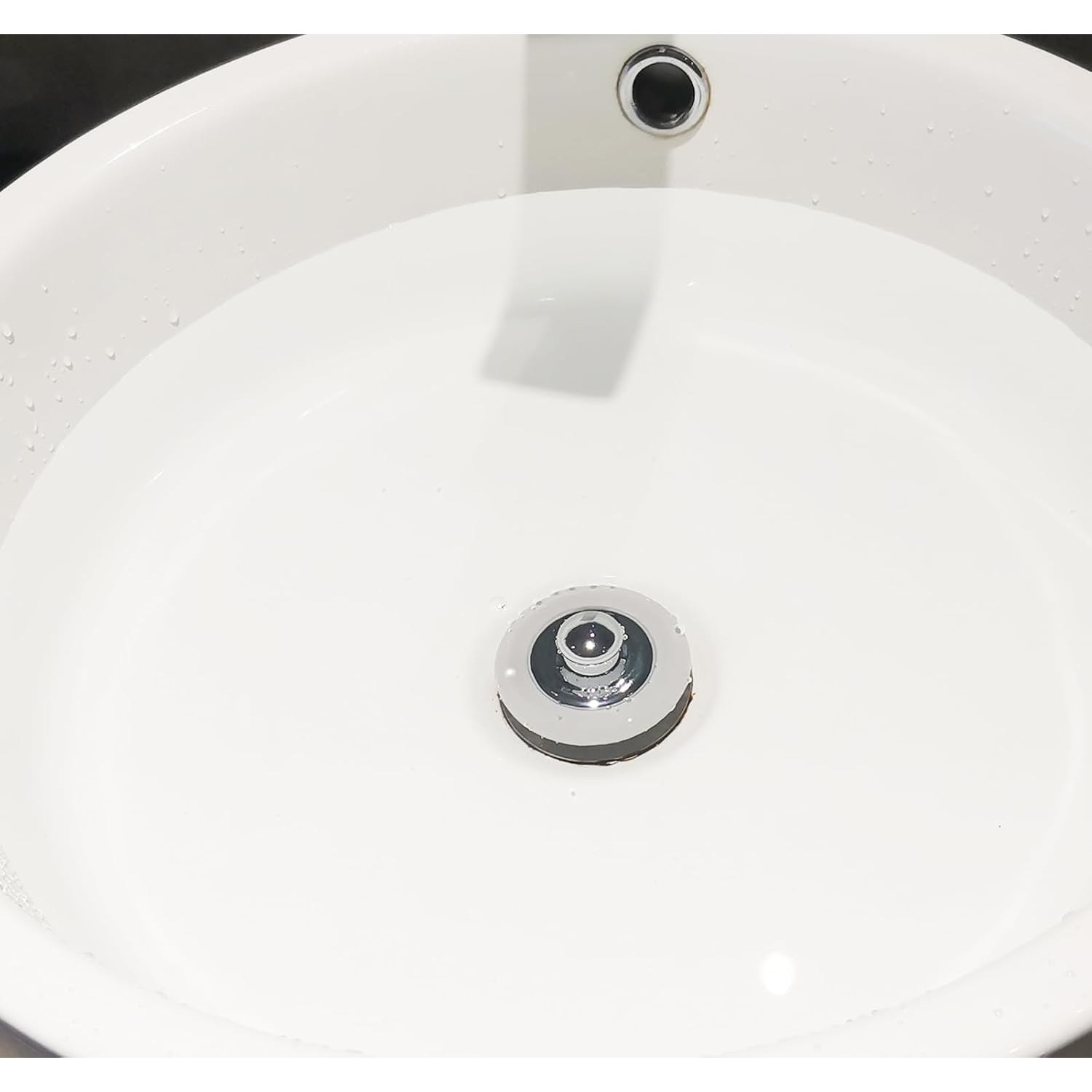
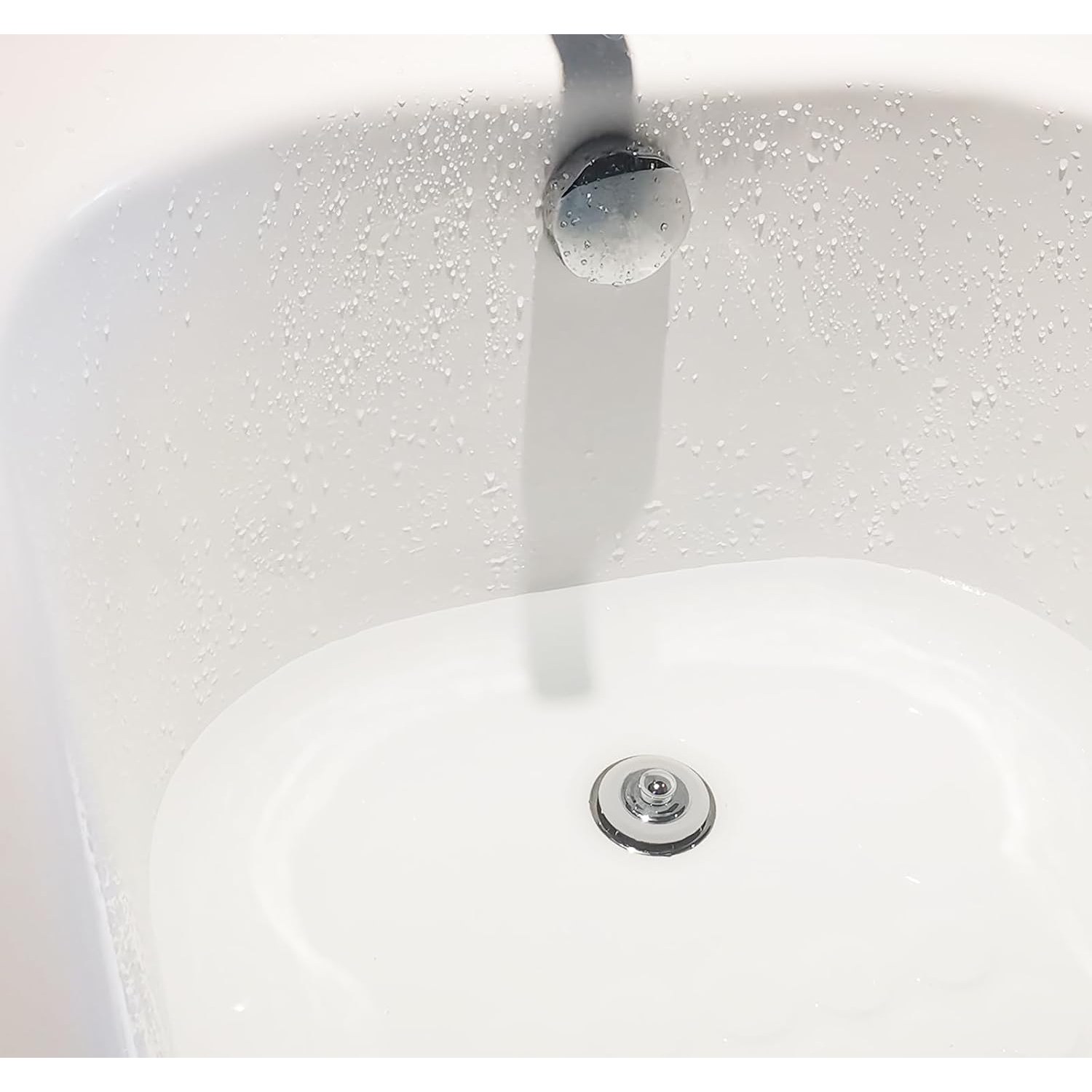
A push in tub stopper sidesteps the whole mechanism. Rather than repairing the hardware in the drain, you drop a flexible plug into the opening and let the material do the sealing. There is nothing to unscrew, nothing to match up with an existing thread, and nothing that can seize after a year of hard water.
How a stepped silicone seal works
Most old-style plugs are a single flat shape. They fit one diameter well and everything else badly. If your drain is a fraction wider, water sneaks past the edge. If it is narrower, the plug sits proud and never really seats.
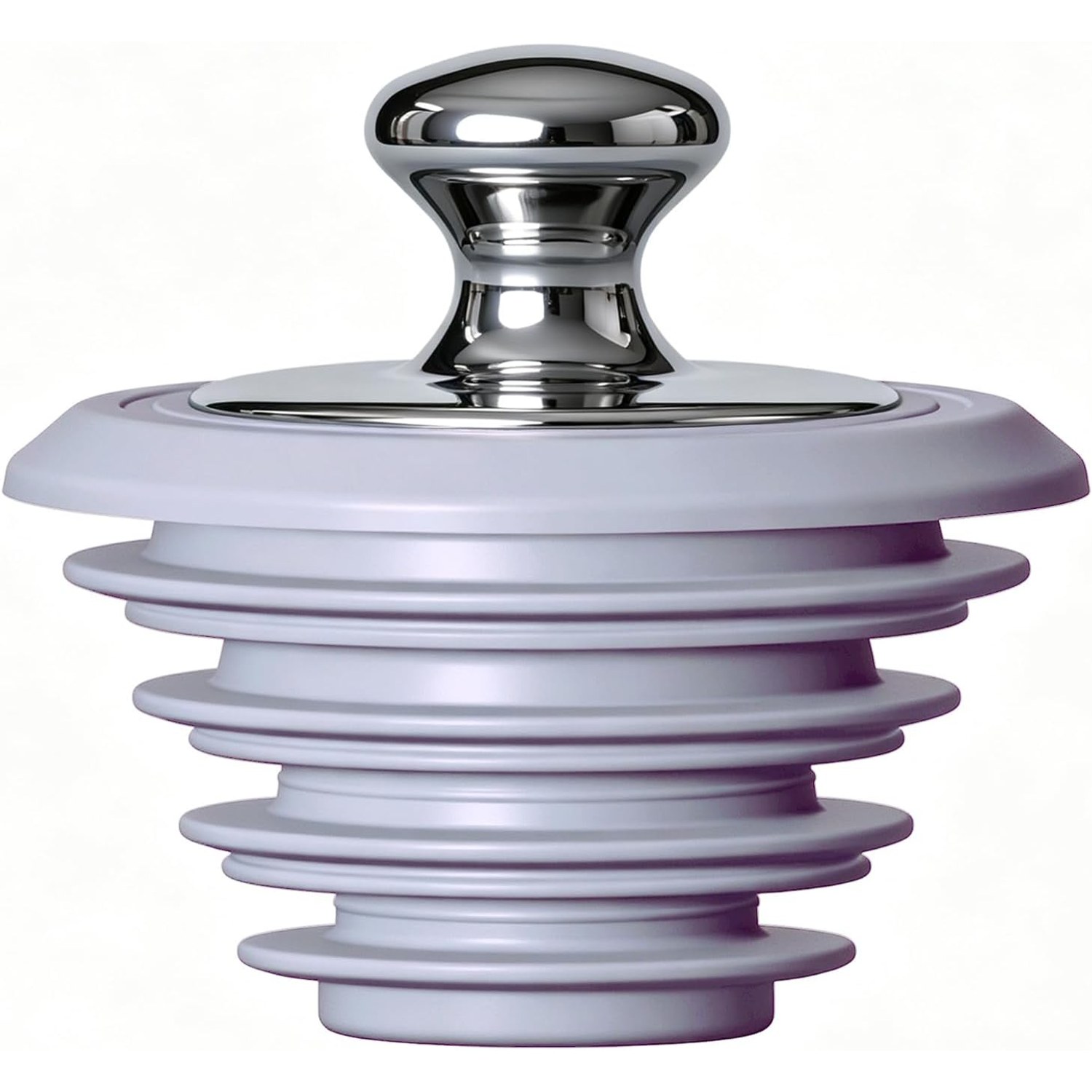
A stepped design handles this differently. The body tapers down in tiers, like a short stack of discs getting smaller as they go. Push it into a wider drain and it grips near the top. Push it into a narrower one and it travels further down before the silicone meets the wall. Either way, there is a point where the material is compressed against the drain and holding.
The silicone itself matters here. It needs to be soft enough to squash into the gap, but firm enough not to collapse under the weight of a full tub. Press down on a good one and you should feel it give, then push back.
On top of this unit sits a chrome-plated zinc alloy handle. That is a small detail with a practical payoff. Wet silicone is slippery and hard to pinch. A solid handle gives you a proper grip when you want to drain the tub without reaching around in the water looking for an edge to grab.
Measuring your drain before you buy
This is the step most people skip and then regret. It takes about half a minute.
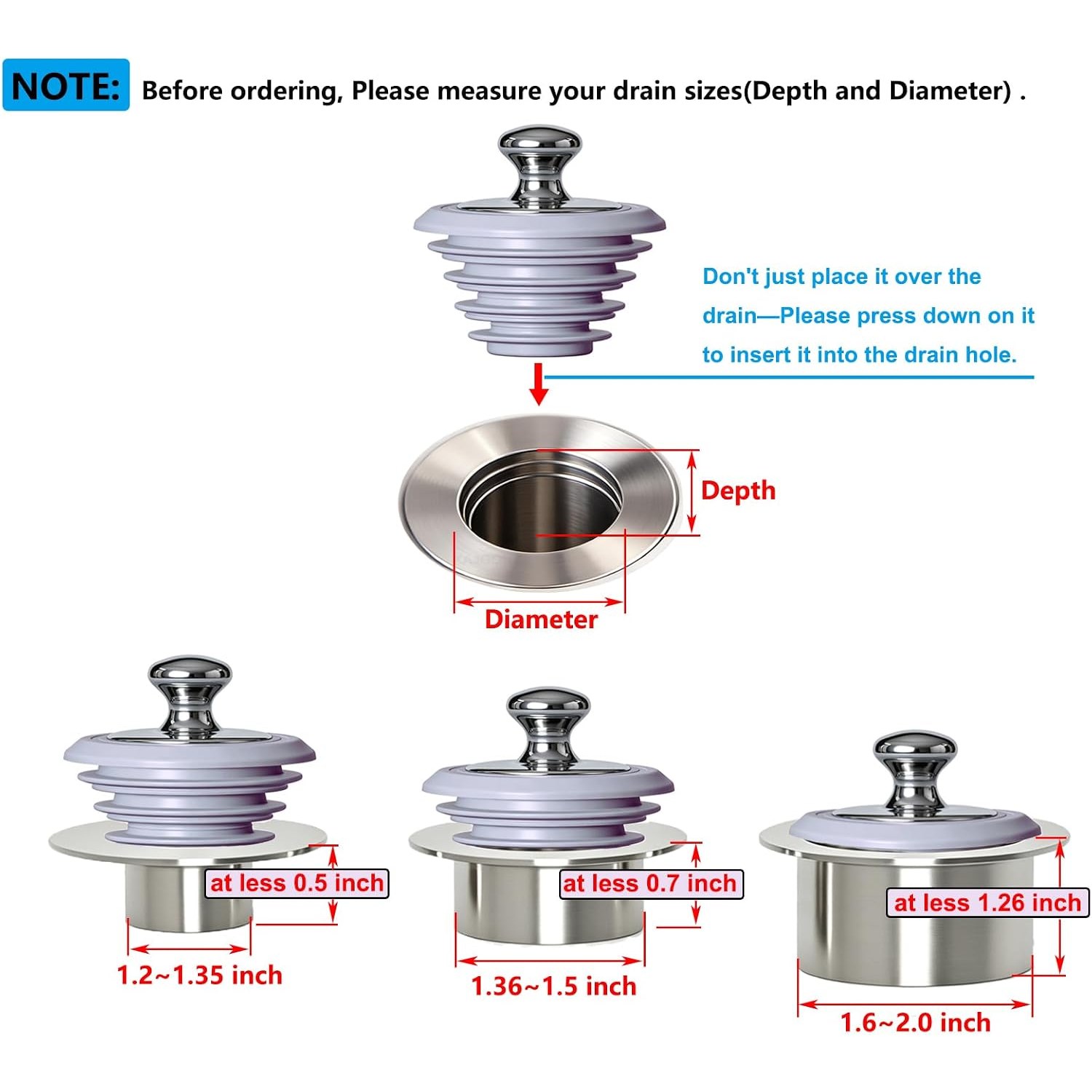
Take a ruler or tape measure and lay it across the inside of the drain opening, edge to edge. That is your inner diameter. For this stopper you want something between 1.2 and 2.0 inches. Then check depth. Put a finger in and feel how far down you can go before you hit the crossbar, the drain fitting or the old mechanism. You want more than an inch of clear space.
If your drain has a fixed grate or an old pop-up assembly you cannot remove, measure the opening you actually have, not the one you would have if the hardware were gone. The plug needs real space to sit in.
If your measurement comes back at 2.5 inches, this is not the right product and no amount of pushing will change that. Better to know now.
Who this suits
Renters are the obvious group. You cannot start replacing drain fittings in a property you do not own, but you can drop a plug into the drain and have a working tub by tonight. Nothing is modified and nothing needs to be undone when you move out.
Travellers are a second group. Hotel tubs have a habit of coming with missing plugs or stoppers that no longer seal. One of these in a wash bag solves that problem for the price of about one hotel coffee.
Parents find them useful because there is no chain for small hands to pull on mid-tub. Supervision still matters, as always, but one less thing to grab is a small win.
Then there is the simple replacement case. The tub is fine, the plug is dead, and you do not want a plumber for something this minor. People looking for the best replacement tub stopper usually just want the water to stay in, and this is the quickest route to that.
What to look for in any drain stopper
A few things separate a plug that works from one that lives in a drawer.
Material quality is first. Silicone should feel springy and recover its shape when you squeeze it. Cheap rubber goes hard, then brittle, then cracks at the edges. You will know within a month.
Grip is second. Whatever sits on top of the plug needs to be usable with soapy hands. A chrome handle, a raised knob or a sturdy loop all work. A smooth dome does not.
Fit range is third. A single-diameter plug ties you to one exact drain. A stepped or tapered design covers a spread of sizes, which is why it travels better and why it survives a house move.
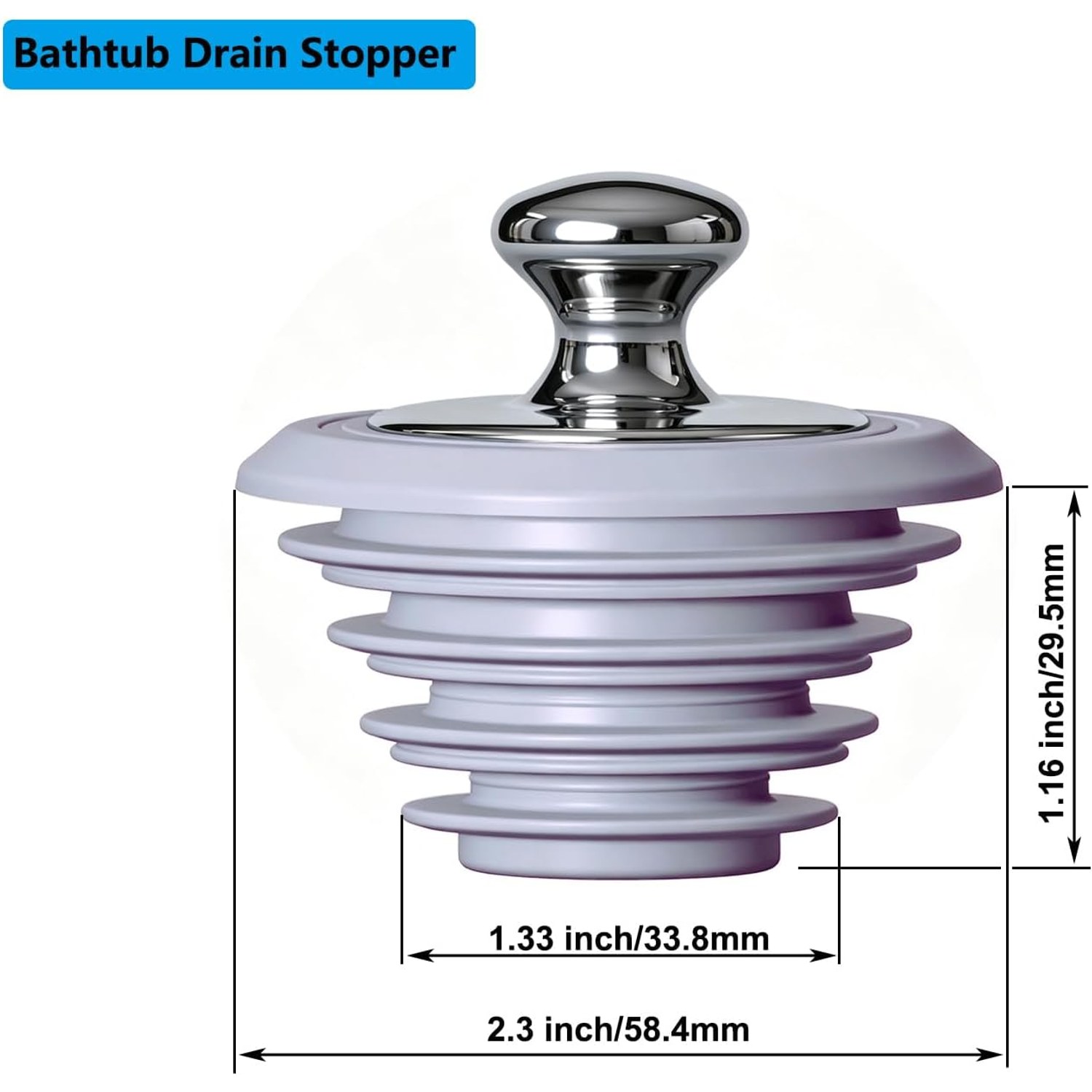
Size and weight round it out. This one is 2.3 inches across, 2.15 inches tall and 2.56 ounces. Small, light, easy to stash.
Getting a good seal every time
Clean the drain first. Soap scum and limescale build a slick, uneven film on the drain wall, and silicone needs a reasonably smooth surface to press against. A quick scrub with an old toothbrush and some vinegar makes a real difference on an older tub.
Dry the opening if you can. A damp wall is fine, a greasy one is not.
Push the plug straight down, not at an angle. You should feel it stop against resistance rather than slide in loosely. Give it a gentle press to settle it, then start filling.
If you notice a slow drop in the water line, pull the plug, check the drain for grit, and try again. Nine times out of ten that is all it takes.
Caring for it so it lasts
Pull it out after every tub. This is the one instruction worth remembering. Silicone that is left compressed in a drain for days on end slowly loses its ability to spring back, and a plug that cannot spring back cannot seal.
Rinse it under warm water, wipe it, and leave it somewhere it can air dry. Once in a while, soak it in warm water with dish soap or a splash of white vinegar to lift soap film and mineral deposits. Rinse it properly afterwards.
Keep bleach and scouring pads away from it. Bleach is hard on silicone over time and abrasive pads will scratch the chrome finish on the handle. Neither is necessary for something that mostly sees clean bathwater.
Store it out of the drain, in a cabinet or on a shelf. It takes up almost no room.
The short version
If your tub empties while you are still in it, the plug is the problem, not the tub. A silicone stopper with a stepped seal and a solid handle fixes that without tools, hardware or a plumber.
Measure your drain first. You want an inner diameter between 1.2 and 2.0 inches and more than an inch of depth. If you are inside that range, push the plug in, fill the tub and enjoy a tub that stays full.
Then pull it out when you are done, rinse it, and let it dry. That is the whole routine.