
The complete guide
How To Choose A Silicone Floor Drain Cover That Actually Seals
The smell that comes back every summer
Most people notice it first on a warm evening. You walk into the laundry or the spare bathroom, and there it is: a faint sewer smell that was not there last week. You clean the floor. It comes back. You pour bleach down the drain. It comes back again a few days later.
The usual cause is not dirt at all. Under most floor drains sits a small water trap. That bit of water is the only thing standing between your room and the pipe network. In a drain you use daily, the water gets topped up constantly and the trap stays sealed. In a drain you barely use, a laundry floor waste, a second shower, a garage yard drain, the water slowly evaporates. Once the trap runs dry, air moves freely up the pipe and into your room.
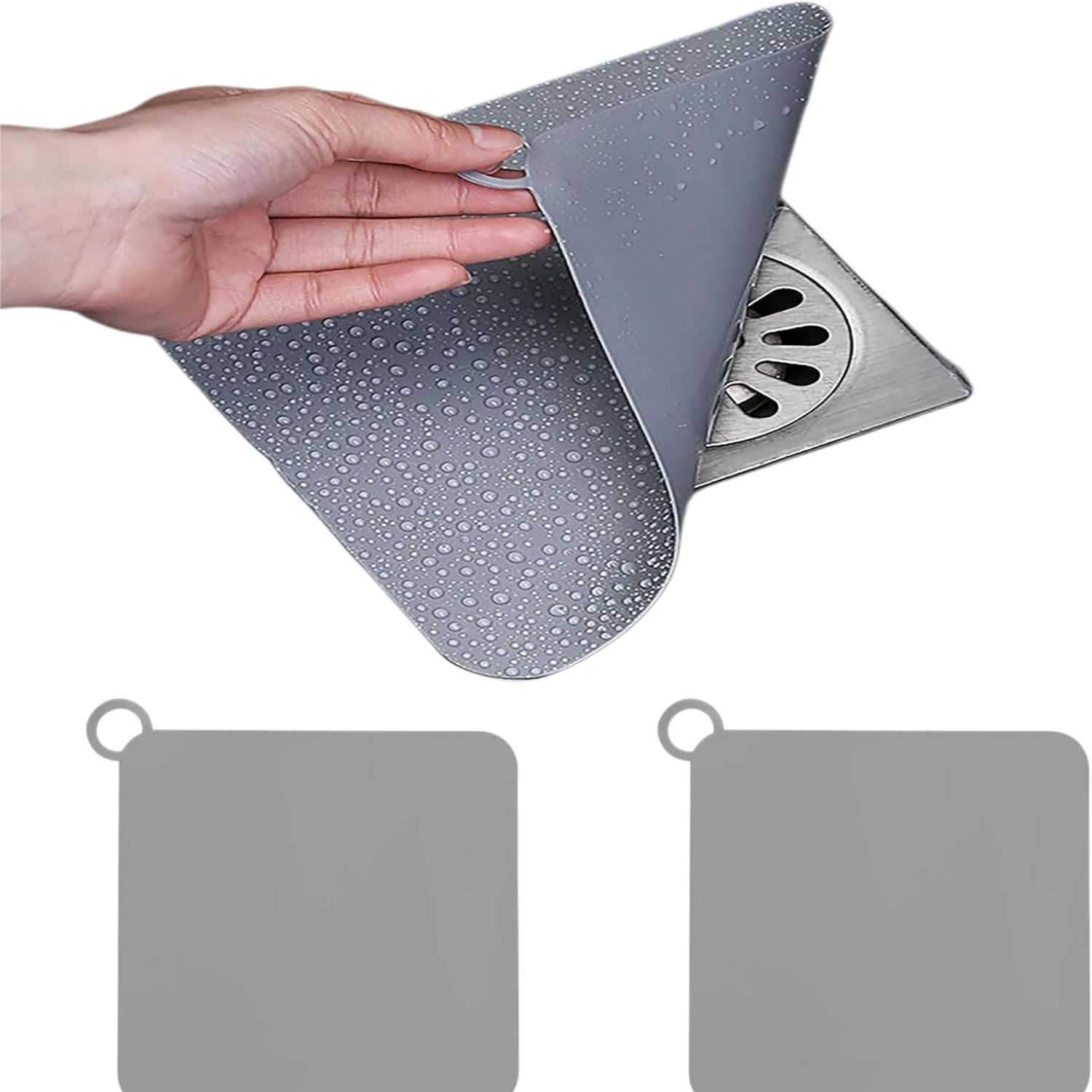
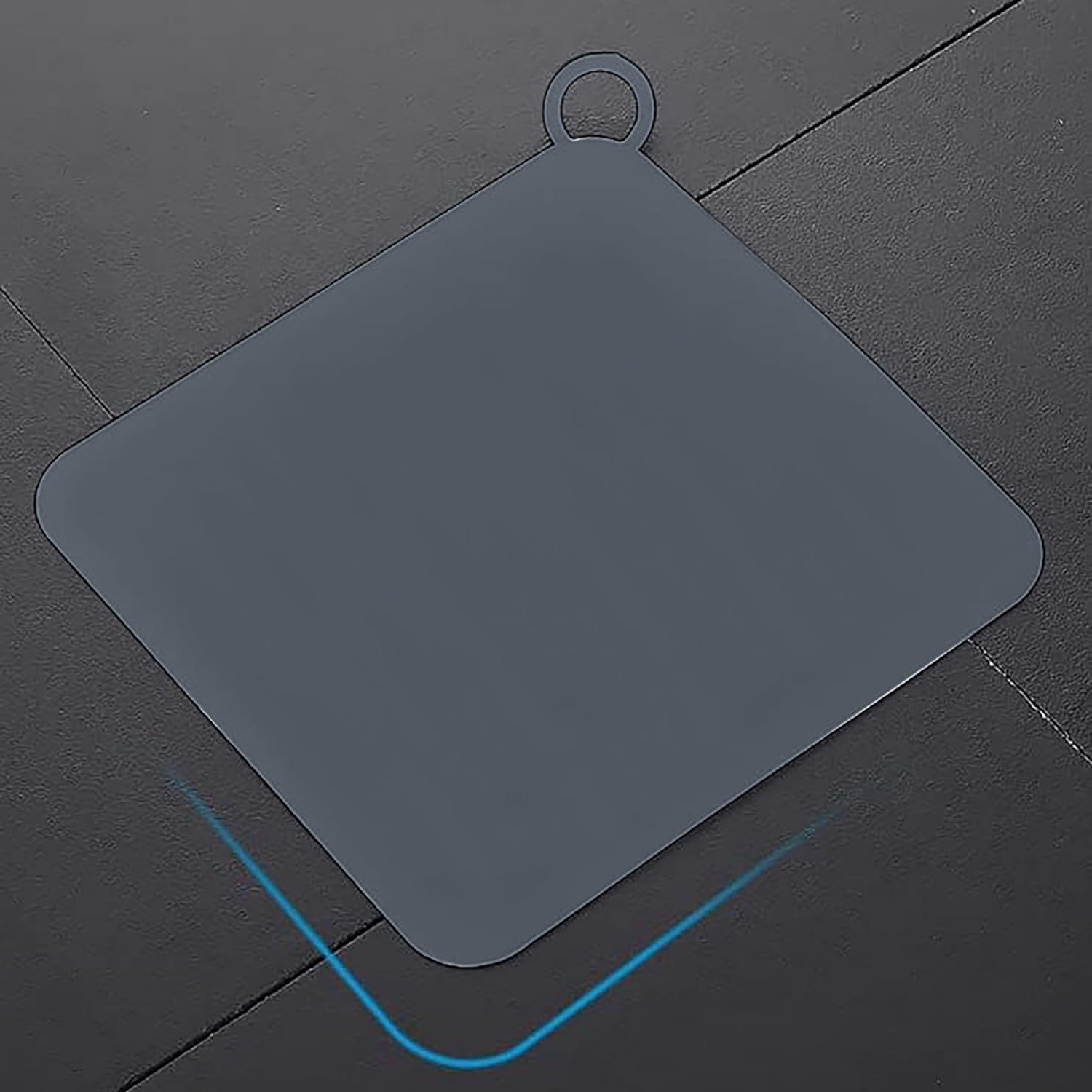
A silicone floor drain cover works on that problem from the other end. It lays flat over the opening and gives the smell nowhere convenient to go. It is not a plumbing repair. It is a cheap physical barrier that takes ten seconds to fit and works whether or not the trap below is in good shape.
How a flat silicone cover works
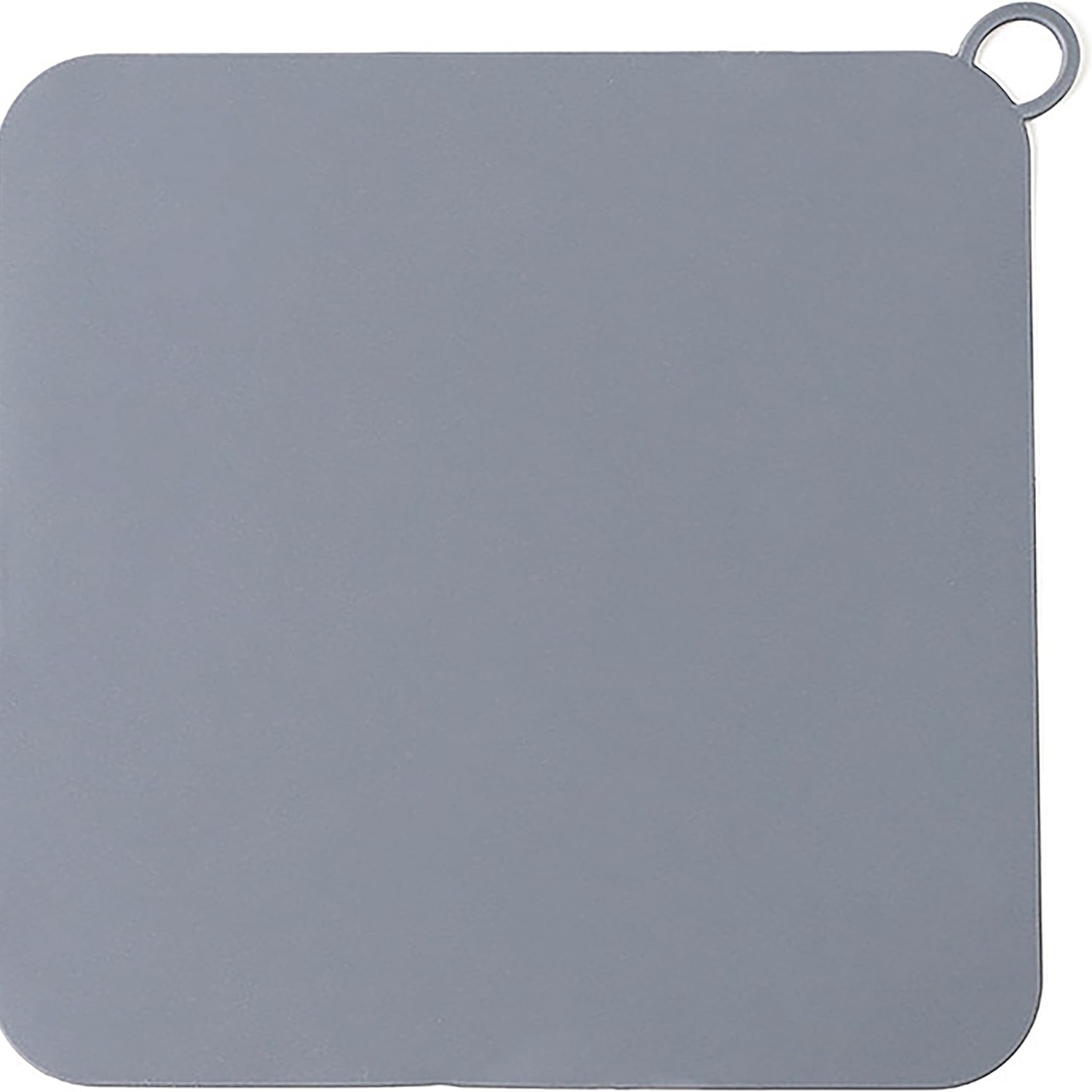
The idea is simple enough that it is easy to underestimate. You have a piece of soft silicone cut larger than the drain opening. One face is smooth and designed to grip. The other is matte and textured. Place the grip side down and the mat pulls itself against the floor, closing the gap around the grate.
The grip comes from contact rather than any adhesive. When soft silicone presses flat against a smooth, clean surface, the air between them gets pushed out and the material holds. That is why surface condition matters so much. On a clean glazed tile, the hold is strong. On a tile with a thin film of soap scum, the hold is weak, and the mat will slide when you step on it.
The matte top face is there for a different reason. Glossy silicone is slick when wet, and a slick disc on a wet bathroom floor is the last thing anyone needs. A frosted texture breaks that up and gives shoes and bare feet something to bite on.
This particular set comes with a round hanging loop on each mat. That sounds like a throwaway detail and it is not. The quickest way to ruin a drain cover is to leave it face down on a wet floor for weeks so grime cements itself into the suction face. A loop means you can hook it over a faucet or a towel rail and let it drip dry properly.
Who gets the most out of one
Renters are the clearest case. You cannot re-plumb a drain in a place you do not own, and most landlords have no interest in chasing a smell that only appears in January. A silicone mat requires no tools, no sealant and no permission. When you move out, you pick it up and take it with you.
Anyone with a drain they rarely use benefits too. Think second bathrooms, laundry floor drains, downstairs showers in a house where everyone uses the upstairs one, holiday places that sit empty for months. These are exactly the drains whose traps dry out, and exactly the drains where a cover can sit undisturbed doing its job.
Families with small kids often use them for a different reason. A flat cover over an open drain means fewer small toys, hair ties and bottle caps disappearing down the pipe. Plumbers have made a living from that for decades.
And then there are people who simply want a tidier-looking floor. A plain gray matte disc reads as a deliberate design choice far more than a rusty metal grate does.
Getting the size right
This is where most orders go wrong, so it is worth being careful.
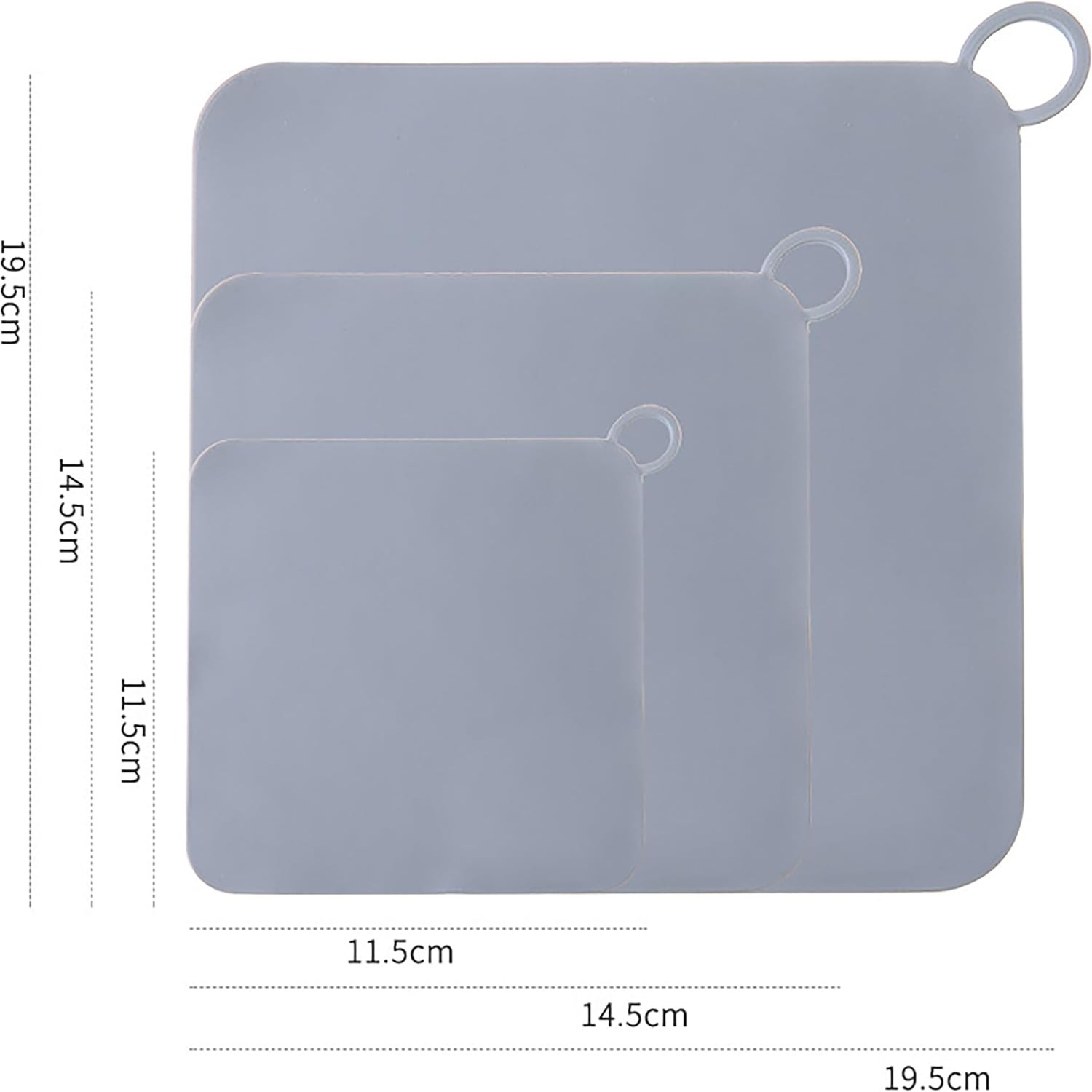
Measure the outside edge of the drain grate, not the holes in the middle and not the pipe below. You want the full width of the visible metal or plastic fitting. These covers are listed at 5 inches wide by 5 inches high, and the maker states they suit a 5 inch hole and a 5 inch groove diameter.
If your drain measures a bit under 5 inches, you are fine. The mat overlaps onto the surrounding floor, and that overlap is exactly what creates the seal and the grip. If your drain measures more than 5 inches across, this is the wrong size and you want something larger. There is no way to stretch it.
One extra thing to check: the floor around the drain. The mat needs a flat, smooth border to press against. If your drain sits at the bottom of a deep recess, or is surrounded by heavily textured anti-slip tile, the suction has nothing to grab and the cover will not hold properly. Run a finger around the drain and feel for a flat ring of smooth surface at least an inch wide.
Where people actually put them
Shower floor drains are the most common use. The mat sits over the waste when nobody is showering, and gets lifted or nudged aside while the water is running so the floor can clear.
Laundry floor drains come a close second, and arguably benefit most, since those traps dry out faster than anywhere else in the house.
Sink openings in kitchens and bathrooms work too. At 5 inches, the mat overlaps a standard sink drain generously and acts as a flat stopper rather than a plug that drops in. Tub drains are similar. The cover sits over the opening rather than sealing into it, so for holding a full tub of water a proper plug still wins.
Some people use them on balcony or courtyard drains, which can work if the surface is smooth sealed tile. Rough concrete will not give enough grip.
Keeping it working
Almost every complaint about silicone drain covers comes down to the same thing. The mat stops sticking, and the owner assumes it has worn out. In nearly all cases it has just got dirty underneath.
Hair, soap residue and fine grit collect between the mat and the floor. A thin layer is enough to break the contact. The fix takes a minute. Lift an edge to release it, rinse both faces under the faucet, rub the suction face with your thumb to shift any film, and wipe the floor underneath while you are there. Warm water with a little dish soap handles stubborn scum. Then hang it by the loop and let it dry.
Do this roughly once a week in a busy shower, less often in a laundry that rarely gets used. The second mat in the pack makes it painless, because the drain never has to sit uncovered while the first one dries.
A few things to avoid. Do not scrub the suction face with an abrasive pad, since scratches reduce the grip permanently. Do not trim the mat to size with scissors, because a cut edge will not seal. Do not leave it sitting face-down in standing water for long stretches.
And remember the other half of the fix. If the smell is coming from a dried-out trap, tipping a liter of water down the drain every few weeks refills the seal below. The cover and the water trap together do a far better job than either alone.
The short version
A silicone floor drain cover is a small, cheap piece of kit that deals with a problem most households tolerate for years. It covers the opening, holds odor down, keeps debris out of the pipe and comes off in a second when you need the drain.
Measure your drain across the outside of the grate first. If it comes in at 5 inches or a little under, and there is a flat smooth border around it, this set fits. Lay the suction face down, keep the underside clean, hang it up to dry between washes, and swap to the spare whenever the first one needs a scrub.
No tools, no plumber, no damage to the floor. That is most of the appeal.