
The complete guide
How To Stop Shower Clogs With A Silicone Drain Cover
The slow drain nobody notices until it is too late
Shower clogs do not happen overnight. They build over months, strand by strand, while everything seems fine. Then one morning the water pools around your ankles and stays there, and you are standing in cold gray soup trying to finish washing your hair.
What causes it is simple. Hair goes down the drain, catches on the inside edge of the pipe or on the trap, and soap residue, conditioner and skin oils stick to it. That sticky mass grows until it blocks most of the pipe. By the time you notice, the problem is somewhere you cannot see or easily reach.
Plumbers charge a lot for this. Drain chemicals are harsh, unpleasant to use and not great for older pipes. Both of those are after-the-fact fixes anyway. The only cheap approach is to stop the hair from getting in there at all, which is exactly what a surface catcher does.
How a silicone drain cover works
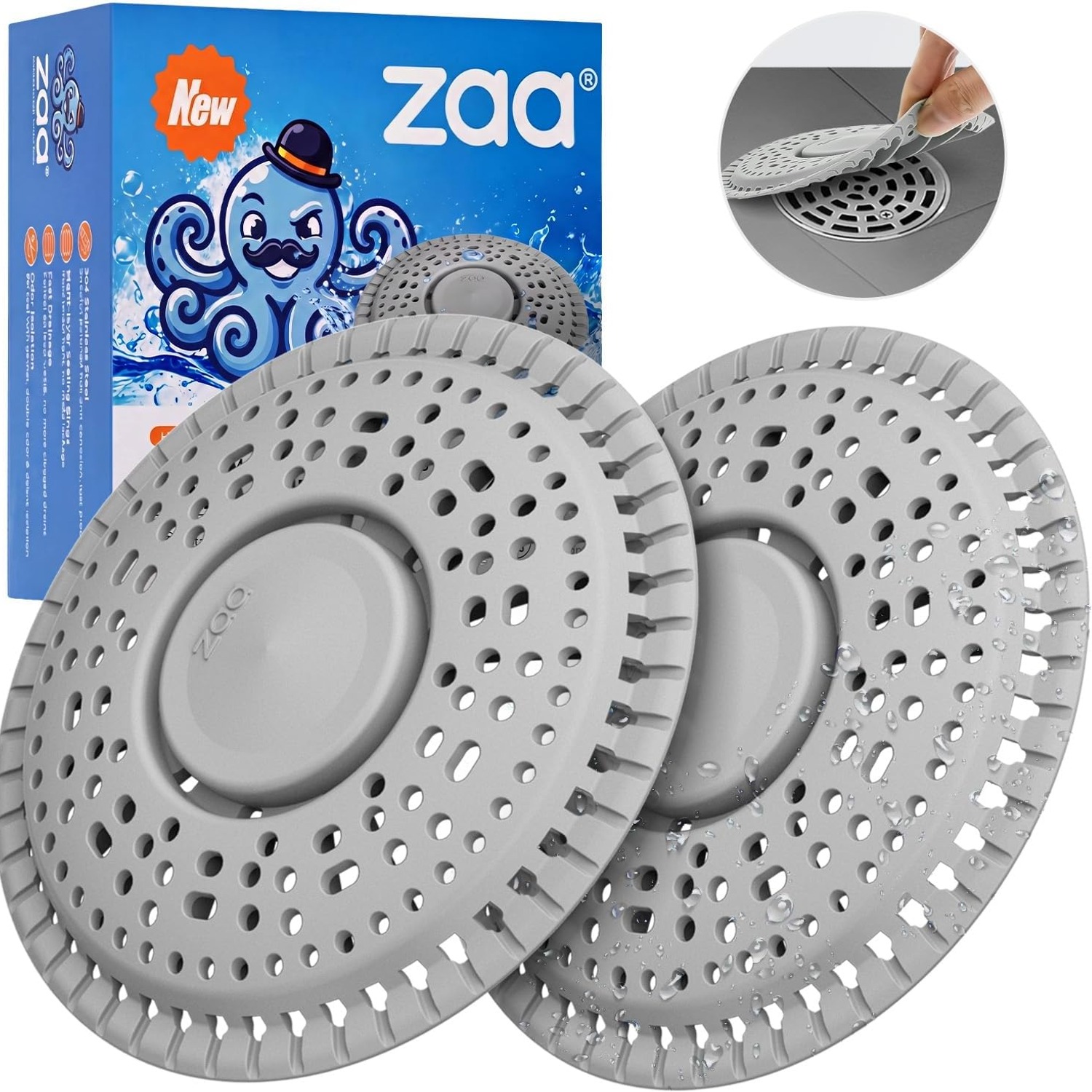
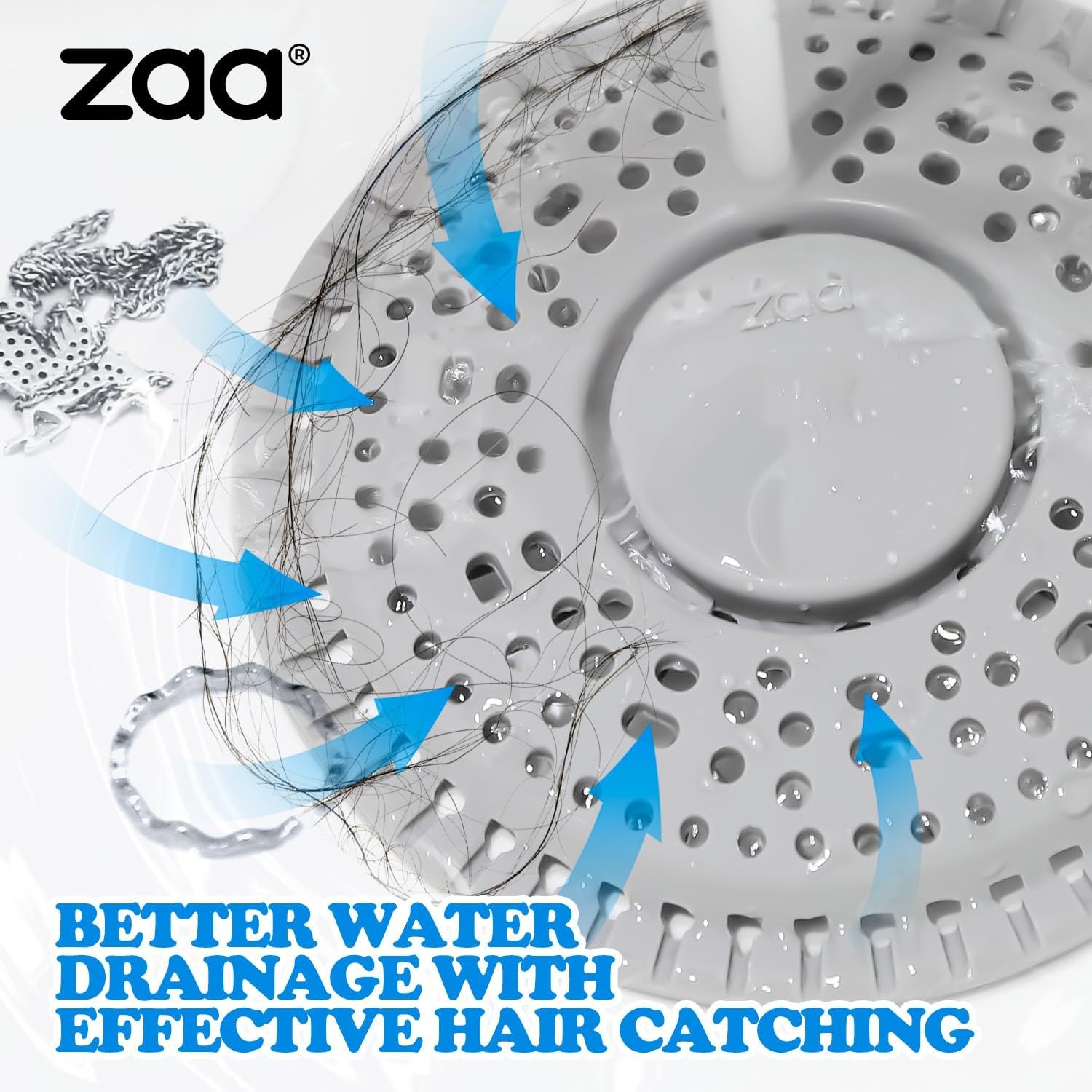
The concept is deliberately simple. You place the cover over your existing floor drain grate. It does not replace anything and nothing is fixed down. Water runs across the raised surface, passes through, and continues down the drain as normal. Hair, being long and stringy, catches on the surface and stays there.
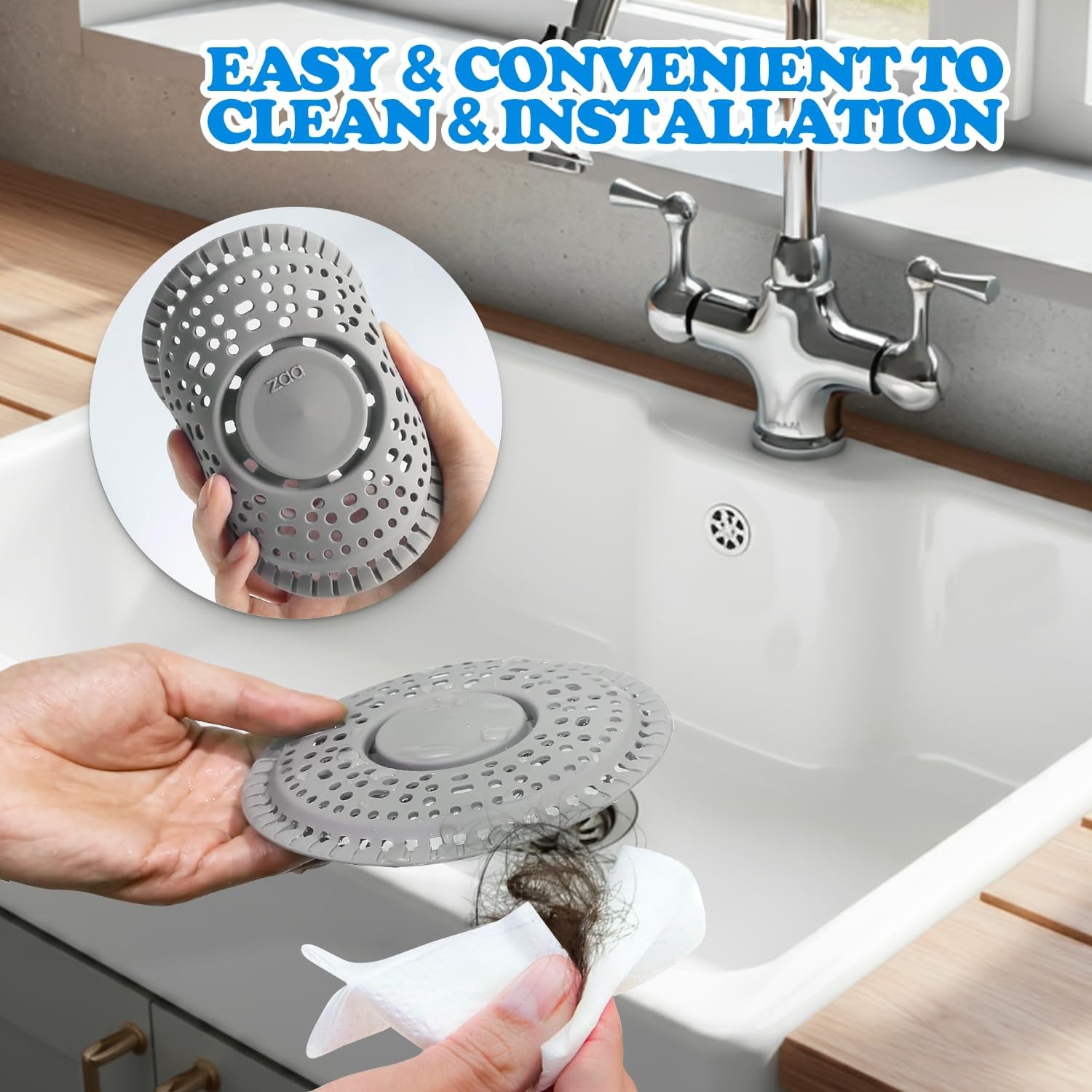
Because the hair collects on top, you can see it. That visibility matters more than it sounds. With a hidden strainer under the grate, you forget about it until the drain slows. With a surface cover, you glance down, see the hair, and pick it up. Cleaning becomes a ten second habit rather than a chore you keep postponing.
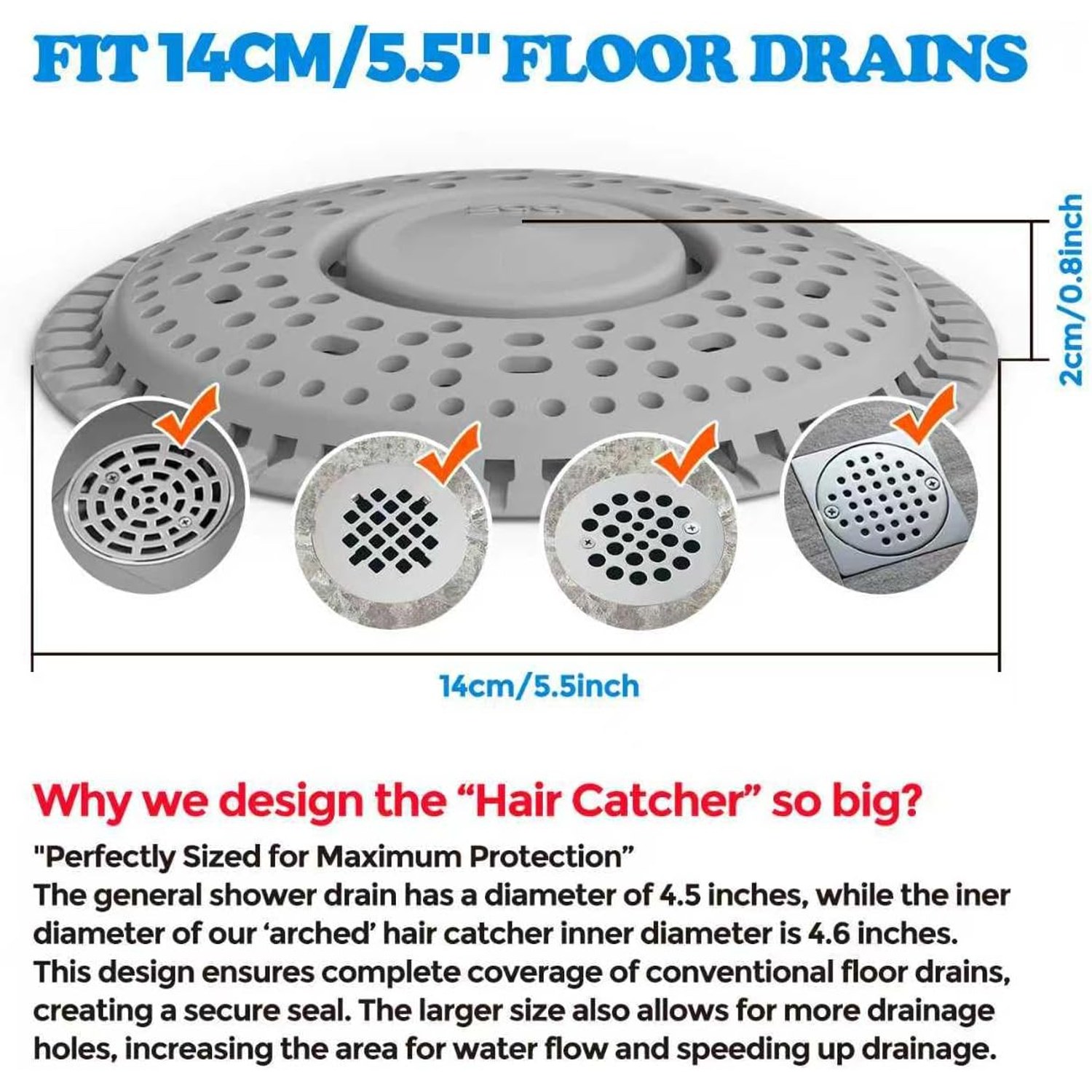
This particular cover is 5.51 inches wide and 0.79 inches high, sized for flat floor drains with an opening around 14 cm. The extra diameter is intentional. A cover that only just matches your grate can be nudged off center and let hair slip down the side. A slightly wider one keeps the whole opening protected even if it shifts a little.
Why weight beats suction
Plenty of drain covers use suction cups. On paper it sounds right, press it down and it stays. In practice the suction fails for a few predictable reasons.
Textured or anti-slip shower tiles do not give a smooth enough surface for a cup to seal against. Grout lines break the seal too. Even on smooth tile, repeated heating and cooling plus soap film gradually weakens the grip, and within a few months the cover is floating around the floor mid-shower.
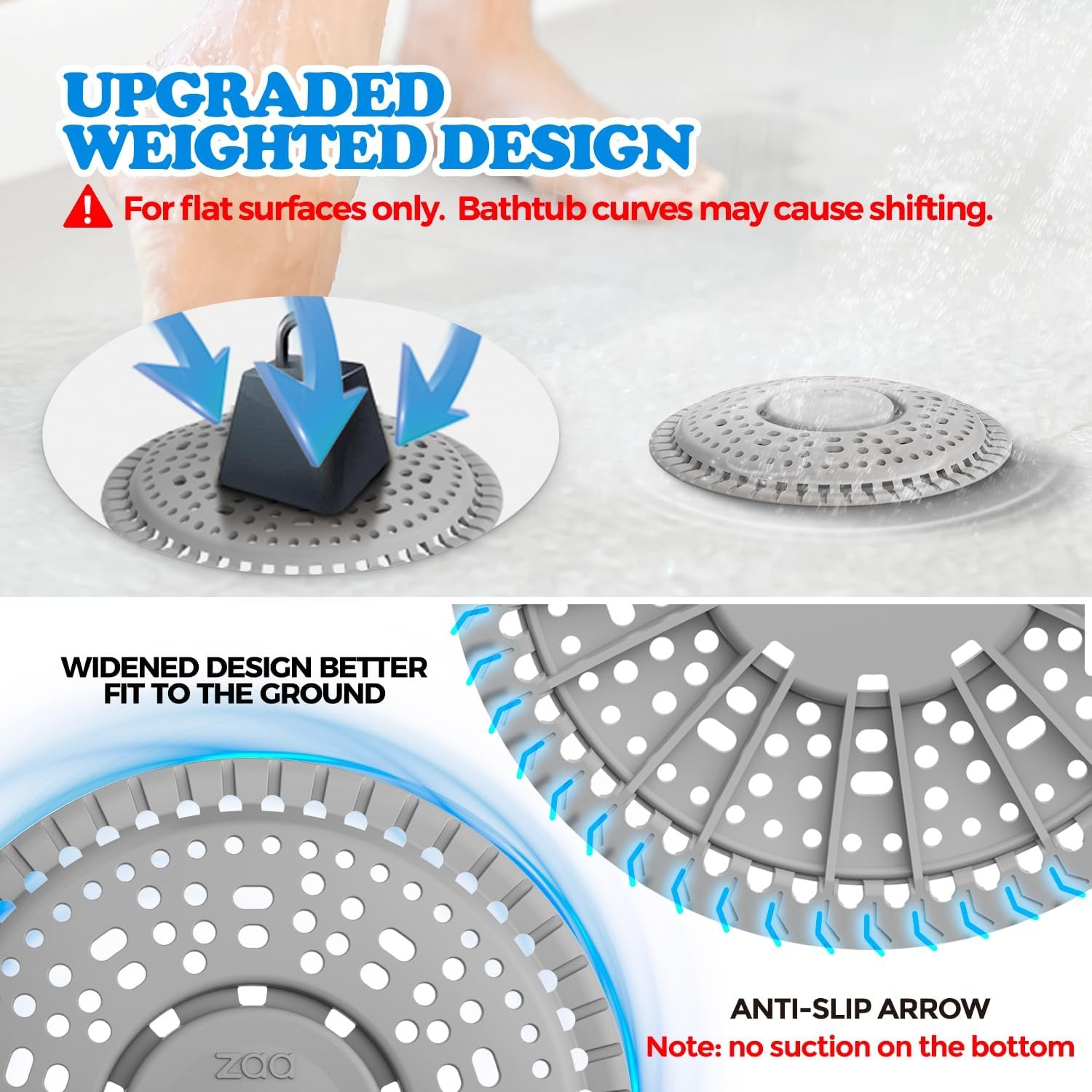
A weighted cover avoids all of that. It uses its own mass and an arrow detail on the underside to stay seated, so there is no seal to fail. It works on textured tile, it works on slightly sloped shower floors, and it keeps working in year two the way it did in week one.
The honest trade off is that a weighted cover is not bolted down. Kick it and it will move. In normal use, with water running over it, it stays put. If you share a shower with someone who shuffles their feet, place it toward the edge of where you stand rather than dead center under the spray.
Who this suits
Households with long hair get the most obvious benefit. If more than one person with long hair uses the same shower, you are the exact target customer, and a bathroom drain protector will pay for itself the first time it prevents a call-out.
Renters are the other group. You cannot change the plumbing in a rental, and you certainly cannot install an under-grate strainer. A cover that simply sits on top solves the problem and leaves with you when the lease ends. No tools, no drilling, no conversation with the landlord.
Pet owners find a use for it too, particularly anyone who washes a shedding dog in the shower. Dog hair blocks a pipe faster than human hair because there is so much more of it at once.
Then there are laundries. Floor drains in laundry rooms collect lint, loose thread and fabric fluff, and that material clogs pipes just as effectively. This is part of why the pack includes two covers rather than one.
Choosing the right size and type
Start with a tape measure. Lay it across your floor drain grate and note the widest point of the opening. That single number tells you most of what you need to know. This cover is matched to openings near 14 cm, so if your drain measures well outside that, look for something else.
Next, check the surface around the drain. It needs to be flat. If your drain sits in a curved tub base or uses a pop-up style waste, the cover will not seat properly and water will find a way past it. Flat tiled shower floors and laundry floors are the right environment.
Also look at the grate itself. If the existing grate has very fine slots, under about two inches across its open area, drainage can be slower with any cover on top. It still works, you just want to keep the surface clear of built-up hair so water has somewhere to go.
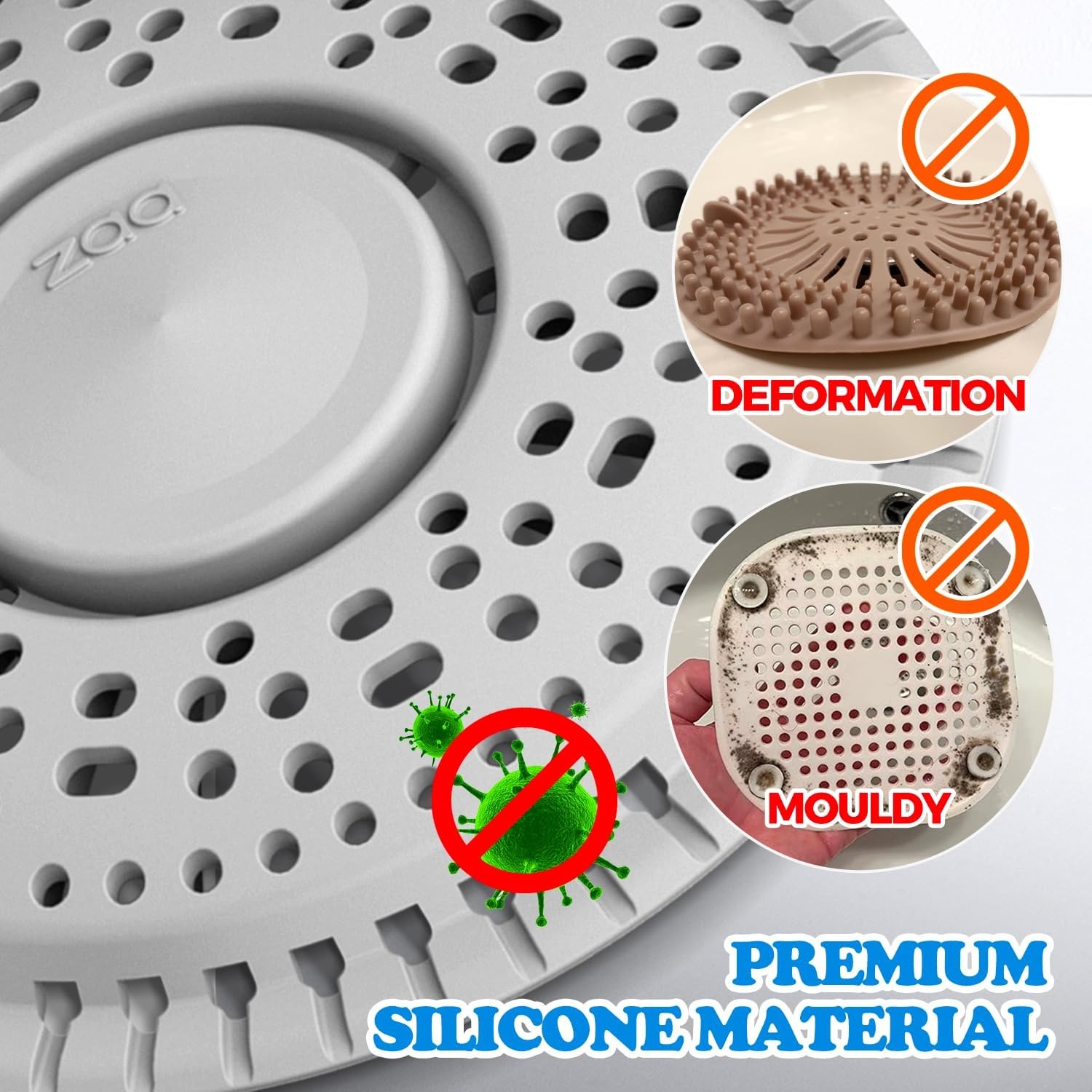
Finally, think about material. Metal strainers look smart but can rust and mark tile. Thin plastic goes brittle and cracks. Silicone stays flexible, does not corrode in a permanently wet room, and is soft enough that standing on it by accident is not unpleasant. The matte gray finish here also hides the water spotting that shows up badly on glossy surfaces.
Keeping it clean
This is the easy part. Lift the cover, tip the hair into the trash, rinse under the faucet, put it back. Thirty seconds at most, and no tools or disassembly.
Once a week suits most people. Larger households or anyone with very long hair may want to do it every few days. You will quickly learn the rhythm because you can see the hair collecting.
For soap scum, warm water and a drop of dish soap on a soft cloth will handle it. Skip the bleach, scouring pads and abrasive powders. They can dull the matte surface over time and are not needed for what is essentially hair and soap film.
Every month or so, lift the cover and give the drain grate underneath a wipe as well. Letting the area dry out occasionally keeps everything fresher. An easy clean drain hair trap only stays easy if you actually use the routine, so keep it simple and it will stick.
Small details that make a difference
Place the cover slightly off the spot where you stand. Direct foot traffic is the main thing that moves it.
Use the second cover rather than leaving it in the drawer. Most homes have at least two floor drains, and the laundry one is usually the more neglected of the pair.
If drainage ever seems slower than usual, clear the cover first before assuming the pipe is blocked. Nine times out of ten it is simply a mat of hair sitting on the surface doing its job a bit too well.
Give the covers a rinse with soapy water before first use. Silicone sometimes carries a faint factory smell when new, and that clears it.
The short version
Hair causes most shower clogs, and the cheapest fix is to stop it reaching the pipe. This is a two pack of gray silicone covers, 5.51 inches across and just under an inch tall, made for flat floor drains with an opening near 14 cm. They stay in place by weight instead of suction cups, which is why they work on textured tile where suction fails.
Water drains through, hair stays on top, and cleaning takes seconds. Nothing is fixed down, so it suits rentals. Two covers means the shower and the laundry are both handled. Measure your drain first and the rest is straightforward.