
The complete guide
How To Choose A Kitchen Sink Strainer That Actually Keeps Your Drain Clear
The slow drain nobody notices until it is bad
Kitchen drains rarely block overnight. They slow down over months. A few grains of rice here, some coffee grounds there, a little grease that cools and sticks to the pipe wall, and before long the water is sitting in the sink while you wash. By the time you notice, there is a fatty plug somewhere in the trap holding everything up.
The fix is dull and effective. Stop the solids before they go in. That is the whole job of a sink strainer, and a cheap one does more for your plumbing than any bottle of drain cleaner.
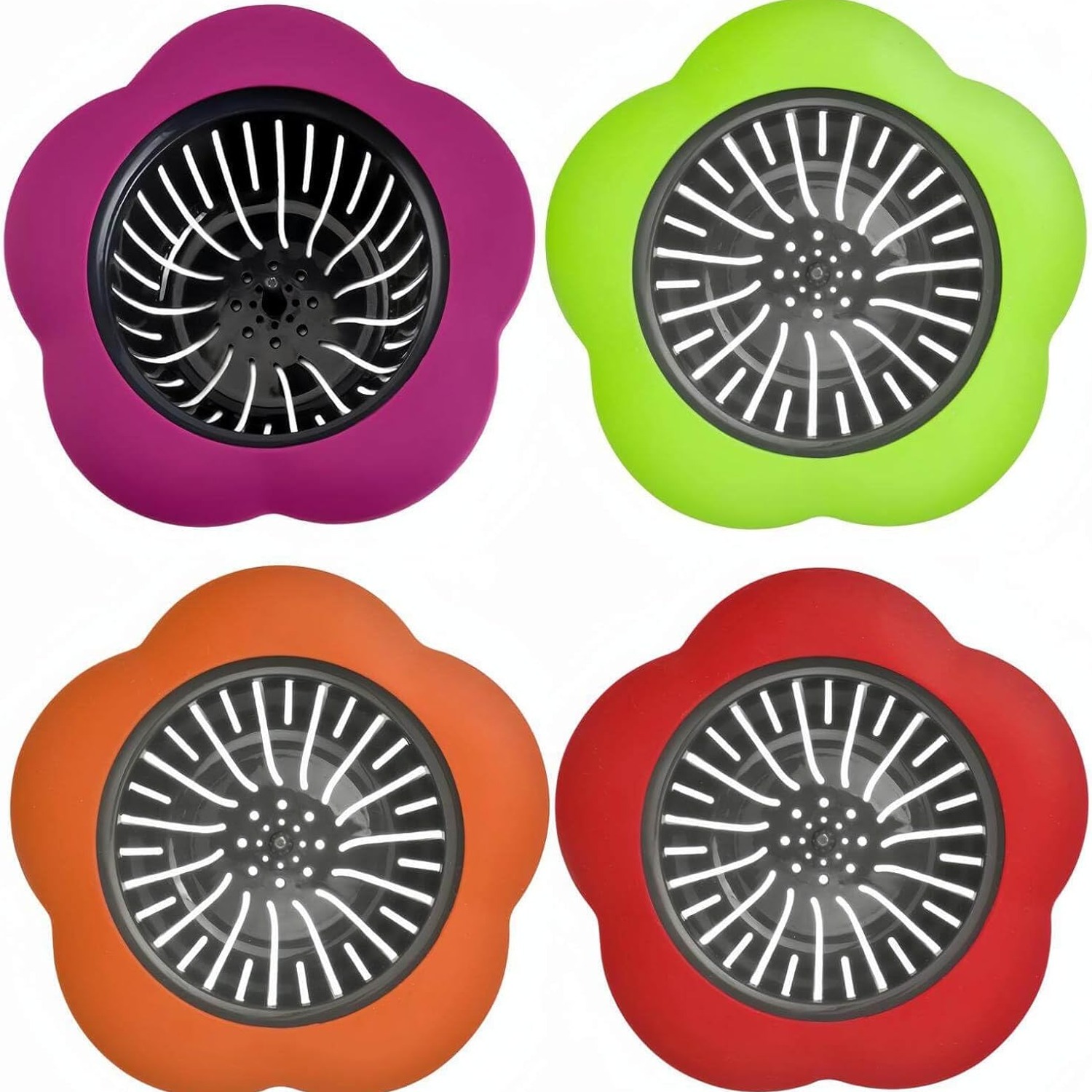
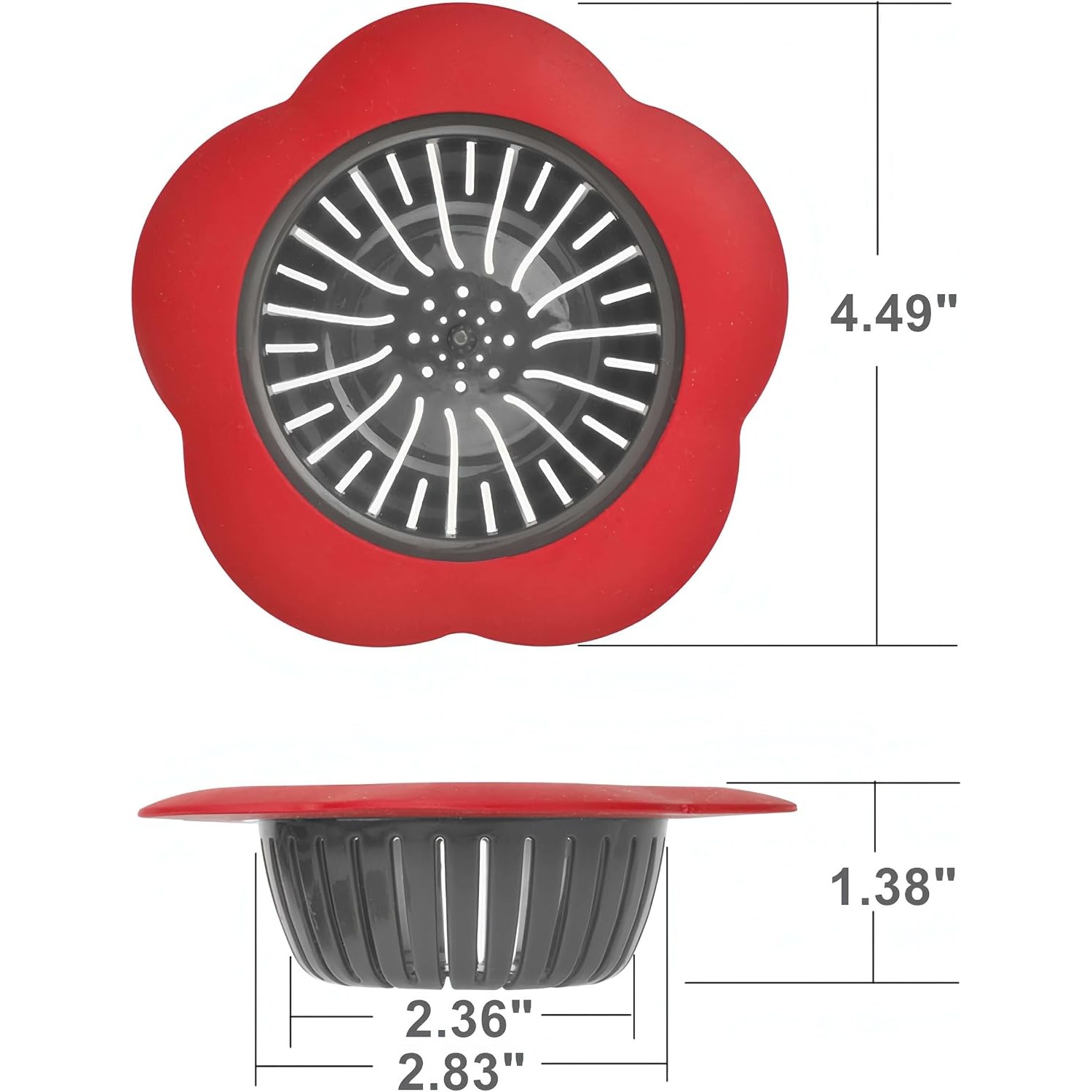
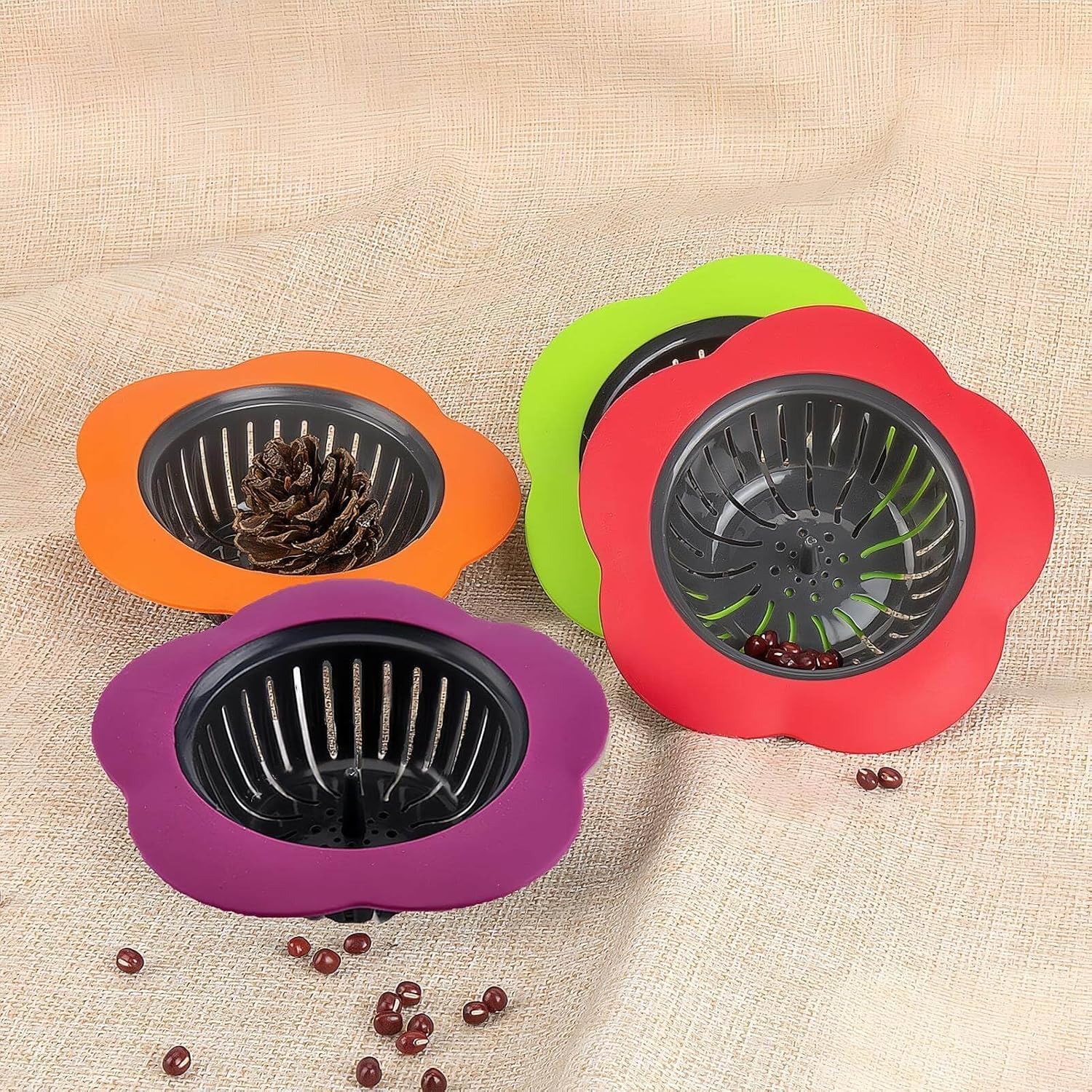
This pack gives you four strainers sized for a 4.5 inch drain opening. Each one measures 4.49 inches across and sits about 1.38 inches high. They are made from acrylic, plastic and silicone with a polished finish, and the maker's details specifically calls them rustproof. That last word matters more than it looks, and we will come back to it.
How this one works
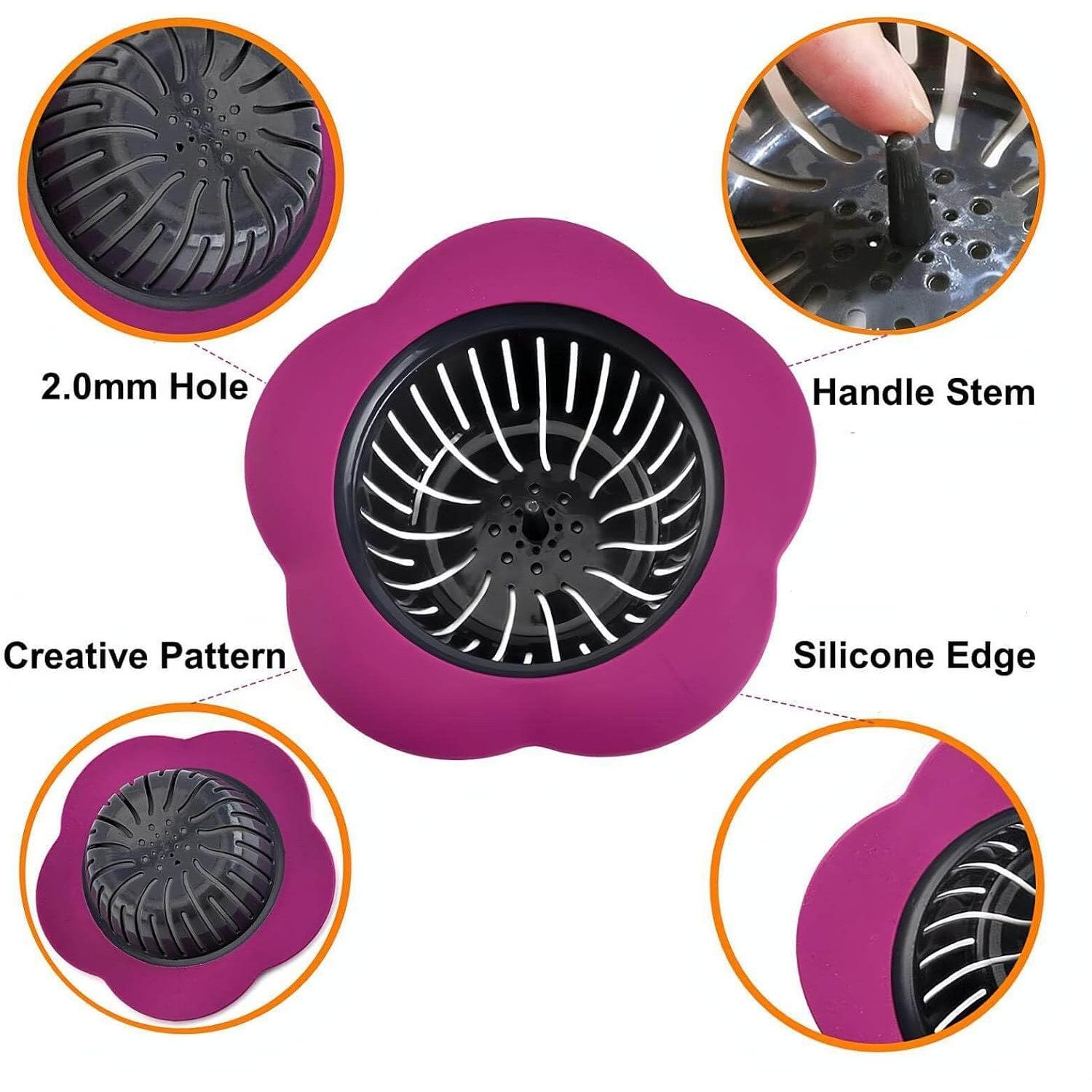
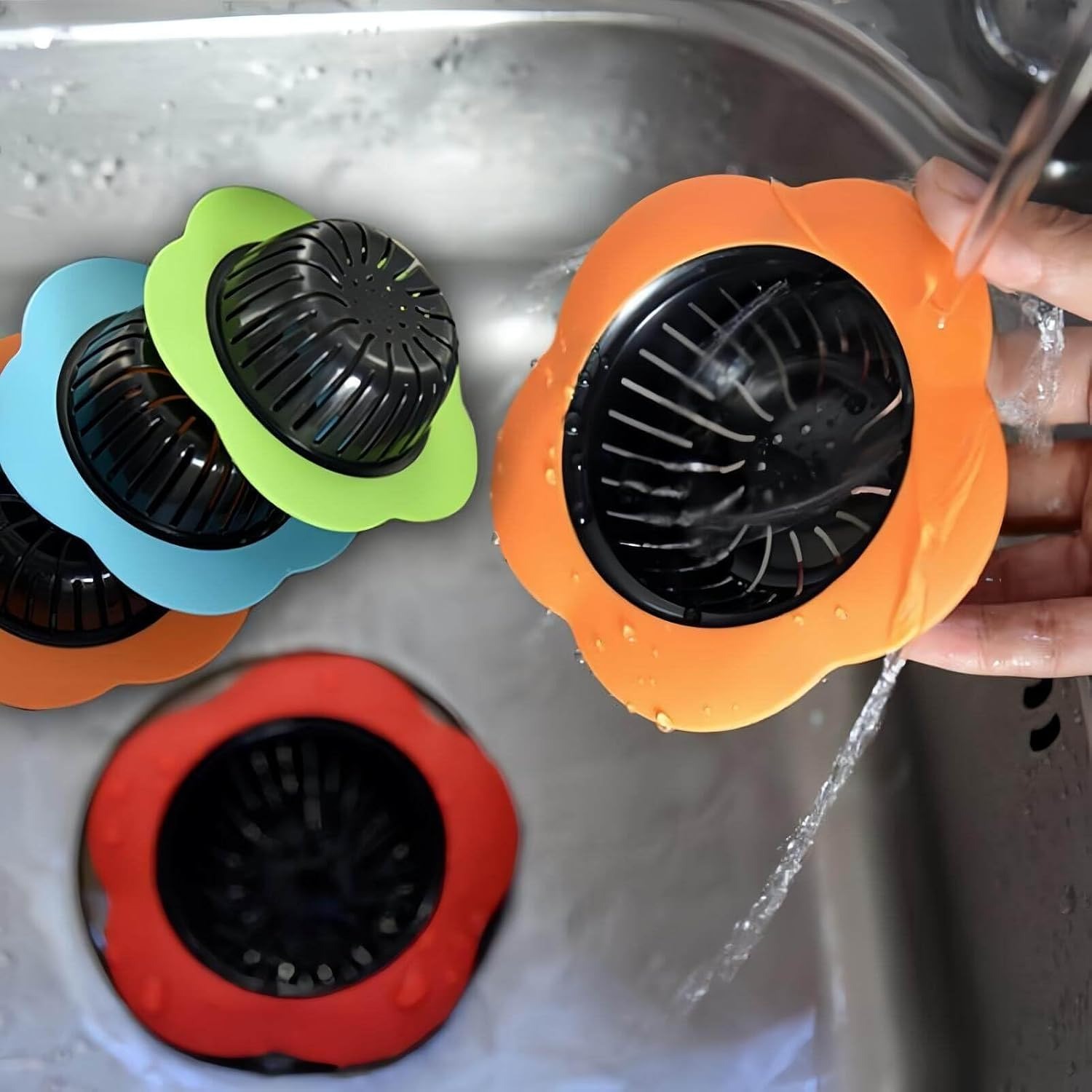
Look at the top and you will see small holes in a petal pattern, arranged like a flower. The source listing puts those holes at around 2.0mm. Water runs straight through. Rice, peel, crumbs, tea leaves and the general debris that comes off a dinner plate do not.
The second feature is the bit people miss. There is a hollow stem in the center. If the surface holes get covered in scraps, water still has a route down through the middle. That is why a strainer like this does not turn your sink into a paddling pool halfway through the dishes. A flat plate of holes with no backup route clogs fast. This one has a plan B built in.
Emptying is the easy part. Lift it out, tip the contents into the trash or compost bin, rinse under warm water, drop it back in. If you do that once a day, the whole thing takes less time than reading this paragraph.
Why rustproof is the quiet selling point
Most people's first sink strainer is a stainless steel mesh basket. They work fine at first. Then two things happen.
The mesh traps grease. Fat from pans cools in the weave, catches more bits, and ends up needing a brush and hot soapy water to clear. Scrubbing a fine mesh is genuinely annoying.
Then the rim starts to rust. Even good stainless pits in constant wet conditions, and cheap versions go quickly. You get orange staining around the drain opening that scrubs off and comes straight back. Once that happens, you throw the strainer out and buy another.
A rustproof plastic and silicone strainer skips both problems. There is no weave for grease to hide in, so food sits on the surface and tips off. There is no metal to corrode, so no orange ring. The polished finish also means residue tends to rinse rather than cling. If you want the best kitchen sink strainer for low effort rather than looks, that is the practical case for the plastic side.
The trade-off is honest. Plastic can pick up a faint tint from turmeric or strong tomato sauce if you leave it sitting, and it will not survive a heavy pan being dropped on it. Rinse it soon after use and it stays looking fine.
Getting the size right
This is the one thing worth checking before you order anything. Drain openings vary.
Grab a tape measure and measure straight across the top of the hole in your sink, from one inside edge of the metal rim to the other. If you land at or near 4.5 inches, this fits. If you are at 3.5 inches or 2 inches, which is common in bathroom sinks and some older sinks, look for a different size instead.
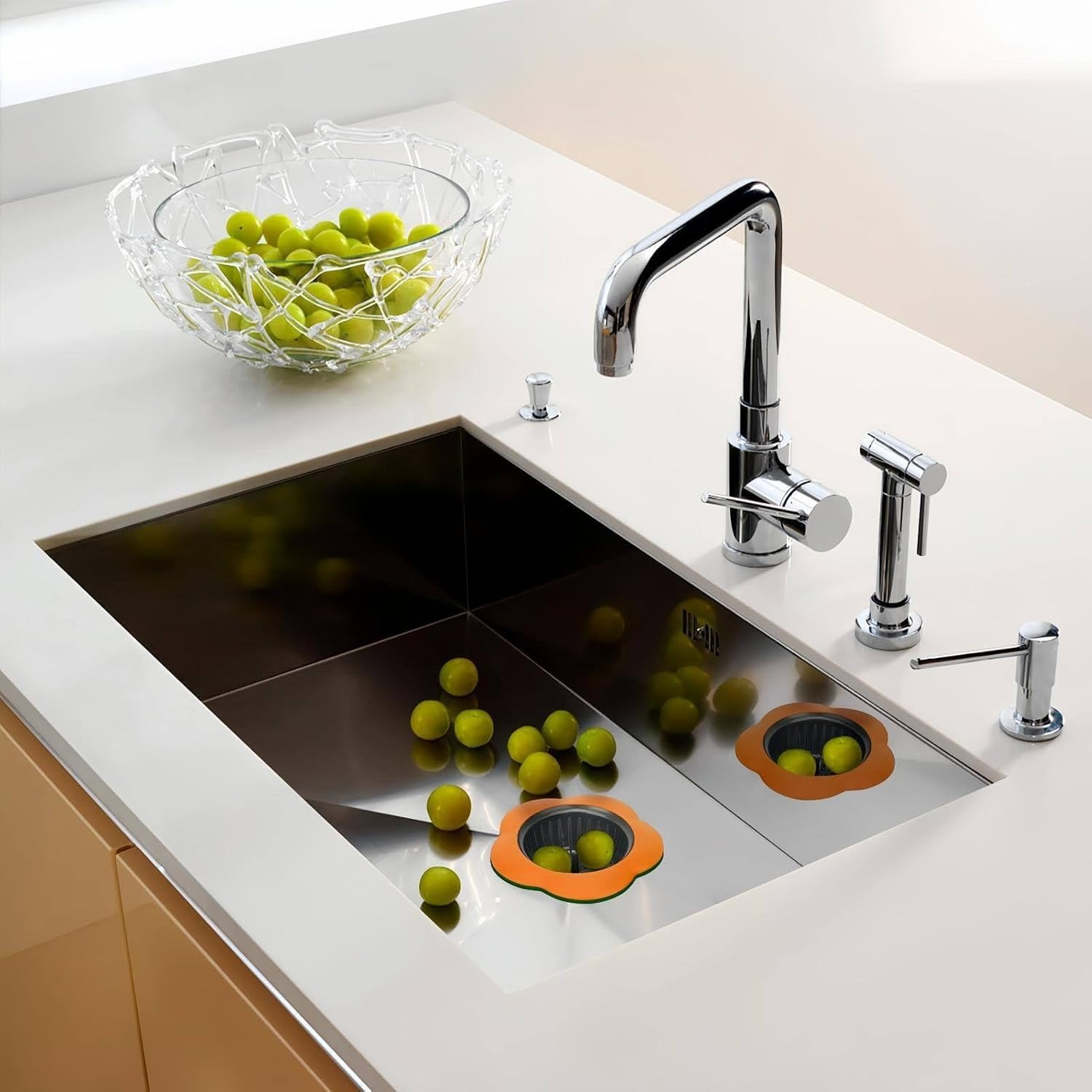
Double bowl sinks often have two identical openings, so the four pack covers both bowls with spares left over. If one bowl has a garbage disposal, that opening will usually be a different shape and a drop-in strainer like this may not seat correctly. Measure it separately.
A tip from people who have done this once already. Take a photo of your drain with the tape measure across it. If you are unsure, send it to us and we will tell you whether it will work rather than letting you guess.
Who gets the most out of a four pack
Renters and students, first. If you are in a place where a blocked drain means a call to the landlord and an awkward conversation about who pays, a strainer in the drain is cheap insurance. Four of them means you have replacements for the whole lease.
Anyone who cooks from scratch. Peeling, chopping and rinsing vegetables sends a surprising amount of solid matter toward the drain. A good food scrap catcher for sink duty turns that into one tip into the compost rather than a slow build-up you cannot see.
Households with a shared kitchen. House shares lose things. Having spares in the drawer means the strainer actually stays in the sink instead of vanishing into someone's dish rack.
People who already have a slow drain. Clearing a drain is a separate job, but once it is clear, a strainer is what stops it coming back. Fixing the cause beats repeating the cure.
Living with it day to day
Build the habit around dishwashing rather than treating it as a separate chore. When you finish the dishes, lift and tip. That is it.
If you prep a lot of vegetables in one go, empty it mid-task rather than letting it fill. A strainer buried under a pile of potato peel will still drain through the center stem, but slowly, and you will end up annoyed with it for no good reason.
For a weekly clean, use a drop of dish soap and a soft brush or an old toothbrush around the holes. Rinse well and let it air dry. Skip the steel wool, it will scratch the polished surface, and skip long bleach soaks, which can dull colored plastic over time.
One more small thing. Do not use the strainer as a cutting surface or leave knives resting on it. It is soft enough to mark, and a nicked edge gives food something to catch on.
Choosing between types
If you are weighing options, it comes down to what annoys you most.
Deep wire baskets hold more before you have to empty them, but they are harder to clean and they rust. Flat metal plates look tidy and sit flush, but they clog quickly because there is no backup drainage route. Silicone and plastic strainers with a center stem, like this one, sit in the middle. They are quick to empty, easy to rinse, and they keep draining when full.
Color is not just decoration either. A bright strainer in a sink full of suds is easy to find. A chrome one disappears into the metal and gets scooped into the trash with the scraps more often than you would think.
The short version
If your kitchen drain is slowing down, the cause is almost always solids going where they should not. A 4.5 inch strainer that sits in the opening catches them before they get there.
This set gives you four, made from acrylic, plastic and silicone, rustproof, with petal holes and a hollow center stem so water keeps moving even when the top is covered. Measure your drain opening first. If it is around 4.5 inches, these will do the job, and you will have three spares in the drawer for the next few years.