
The complete guide
Buying Guide, How To Choose A Tub And Sink Stopper That Actually Holds Water
The slow leak nobody warns you about
A tub that drains while you are still in it is a special kind of annoying. You get the temperature right, you settle in, and then you notice the waterline creeping down your back. Within half an hour you are lying in a puddle, reaching for the hot faucet again.
Most people blame the plumbing. The plumbing is usually fine. What has failed is the seal between the plug and the drain, and that is a cheap thing to fix.
Older rubber plugs harden and shrink. Chains snap. Pop-up fittings, the ones you push with your toe, go out of alignment or collect hair around the mechanism until they no longer close flush. In rentals and vacation homes, the plug has often simply vanished and nobody replaced it. None of those problems need a tradesperson. They need a plug that fits.
How a stepped silicone plug works
A traditional plug is a flat rubber disc with a lip. It sits on top of the drain rim and the weight of the water holds it there. That works right up until the rim is uneven, scratched or furred with limescale, at which point water finds a path around the edge.
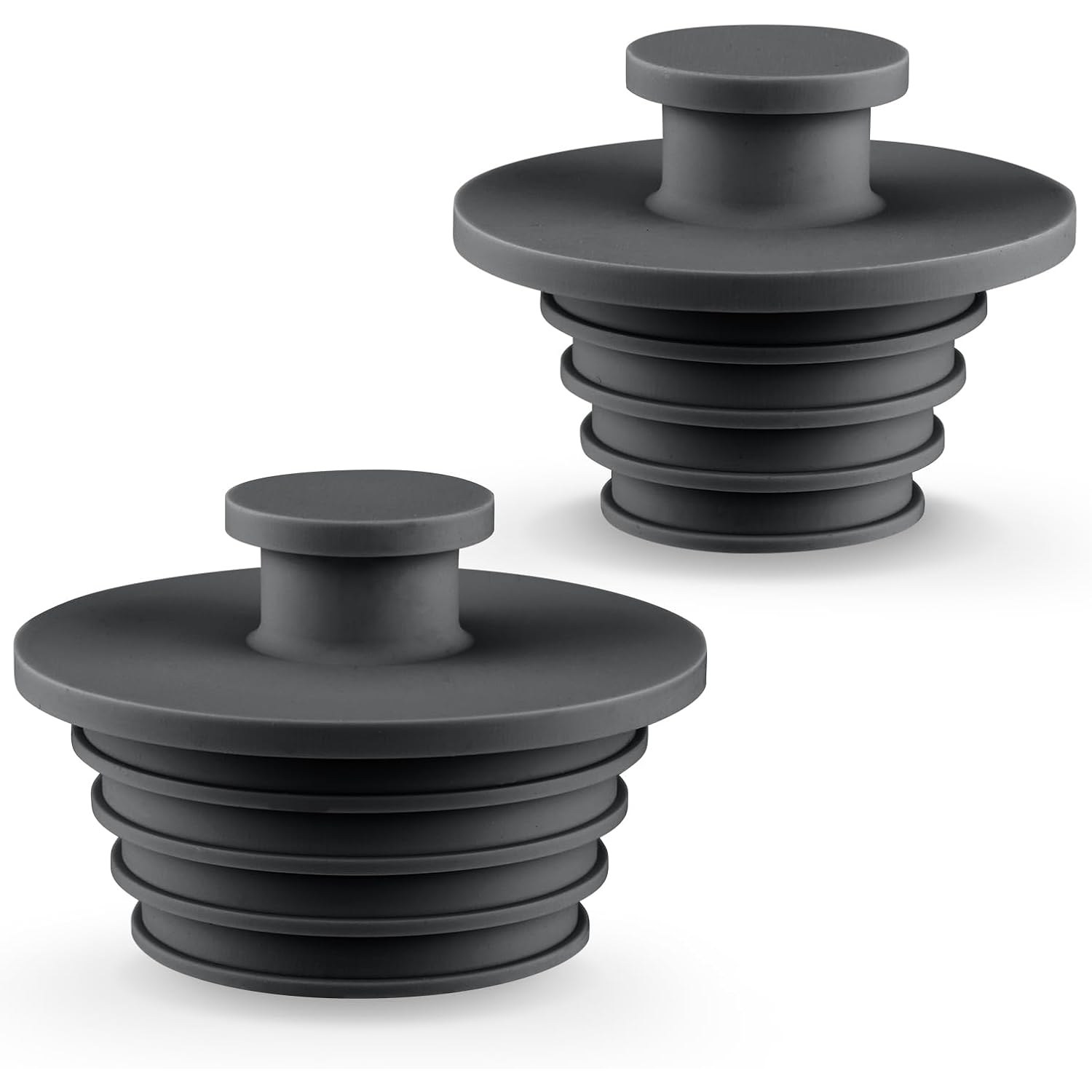
A stepped silicone plug works differently. Instead of sitting on the rim, it goes down into the opening. The body is molded with tiered rings that get slightly wider as they go up, so the plug makes contact with the inside wall of the drain at more than one height. Push it in and the rings compress against the pipe. Fill the tub and the pressure from above presses the plug further down, which tightens the seal rather than lifting it.
The silicone matters here too. It is soft enough to deform into a drain that is slightly out of round or a bit scratched, and elastic enough to spring back when you pull it out. Hard plastic cannot do that. Old rubber could, once, but it loses the ability as it ages.
The practical upshot is a plug that copes with imperfect drains. You do not need a pristine, factory-fresh opening for it to work.
Who this suits
Renters get the most obvious benefit. You cannot replace a pop-up drain in someone else's bathroom, and most landlords are not going to send a plumber because the tub drains a bit. A plug you push in and take with you when you move is a sensible answer.
People in older houses are the next group. Drains that have been in place for thirty years rarely have a smooth rim left. A flat plug struggles. A plug that seals against the inside of the pipe does not care so much about the state of the rim.
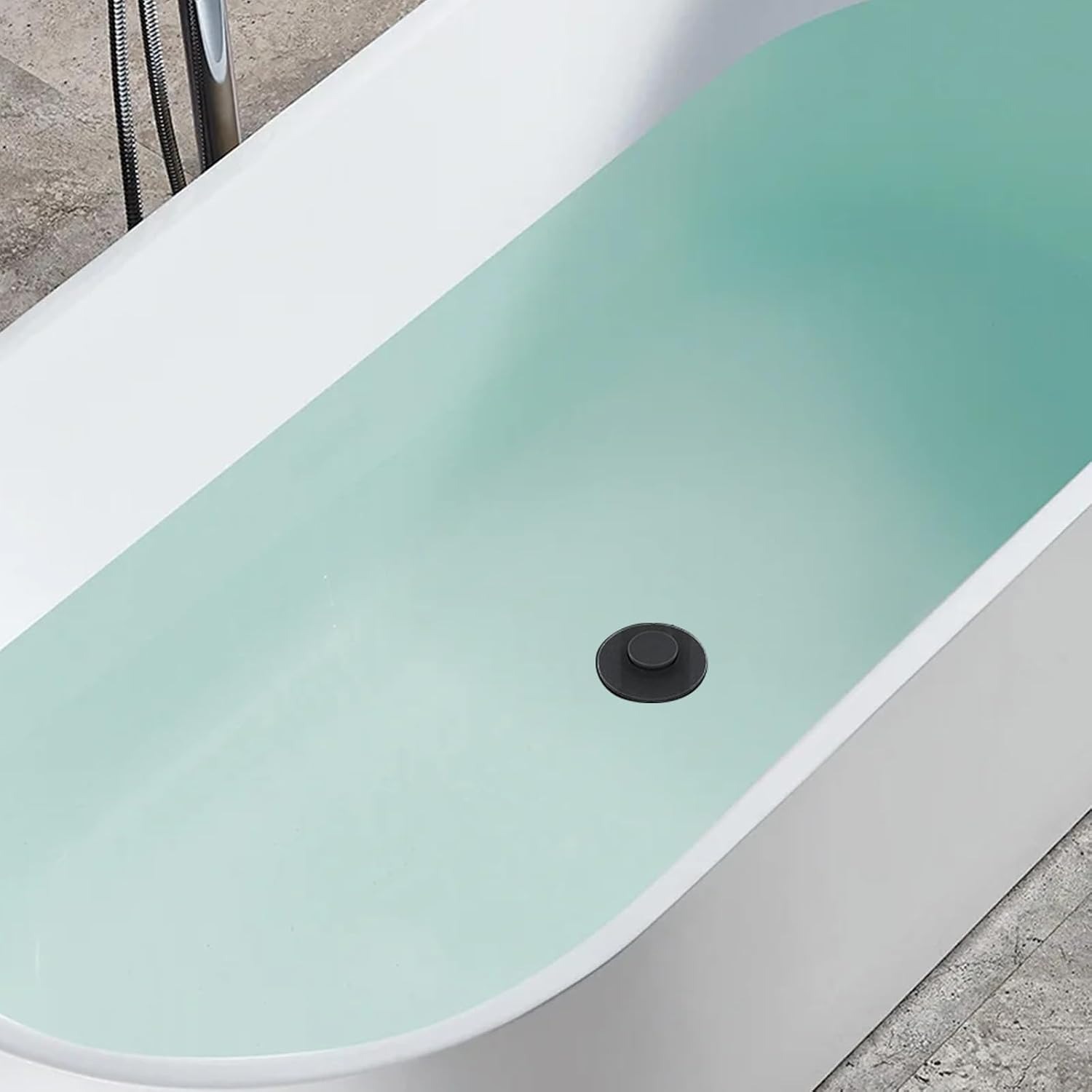
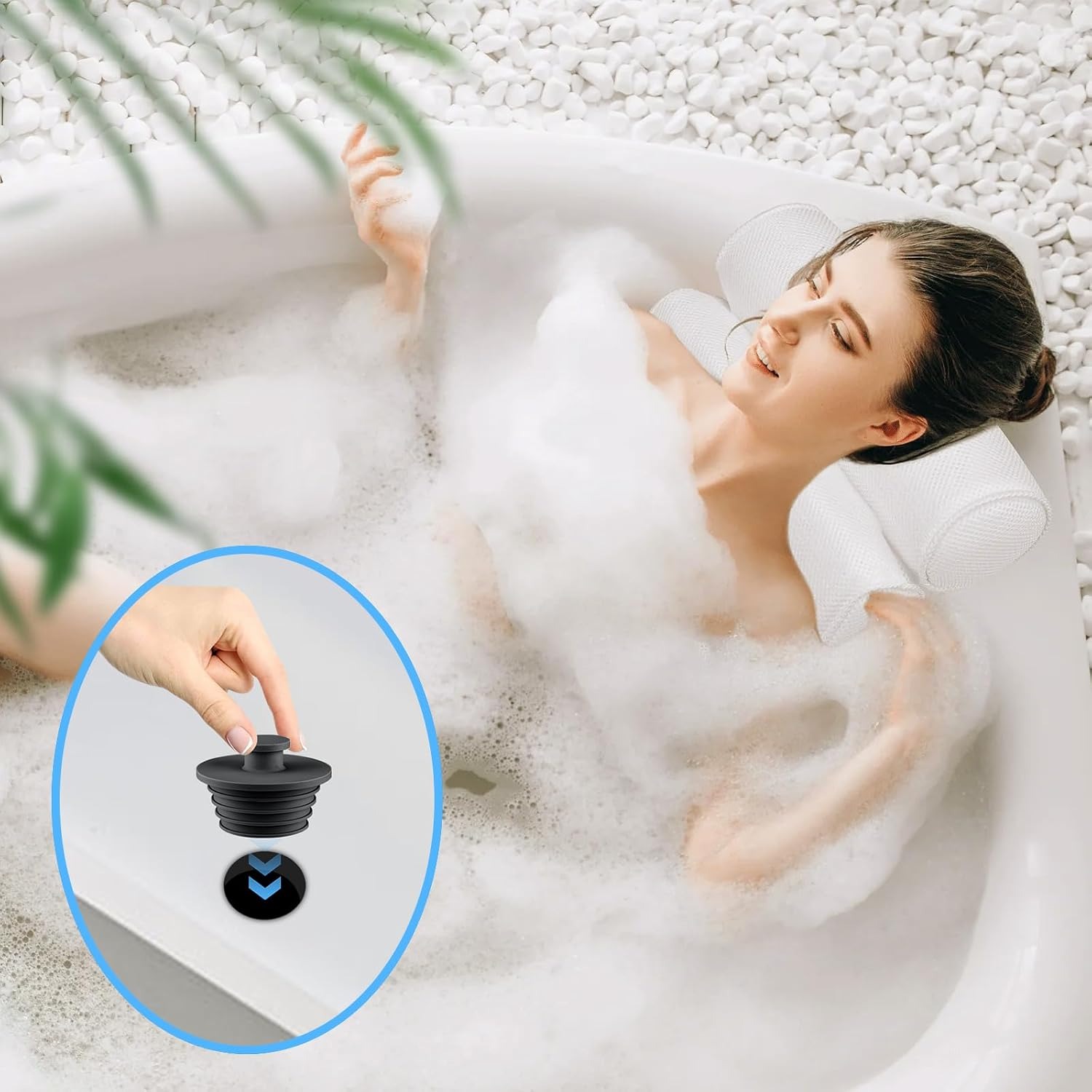
Then there are the people who just want a longer soak. If your tub holds water for twenty minutes and you want an hour, the best bathtub drain plug is the one that lets you stop topping up the hot faucet.
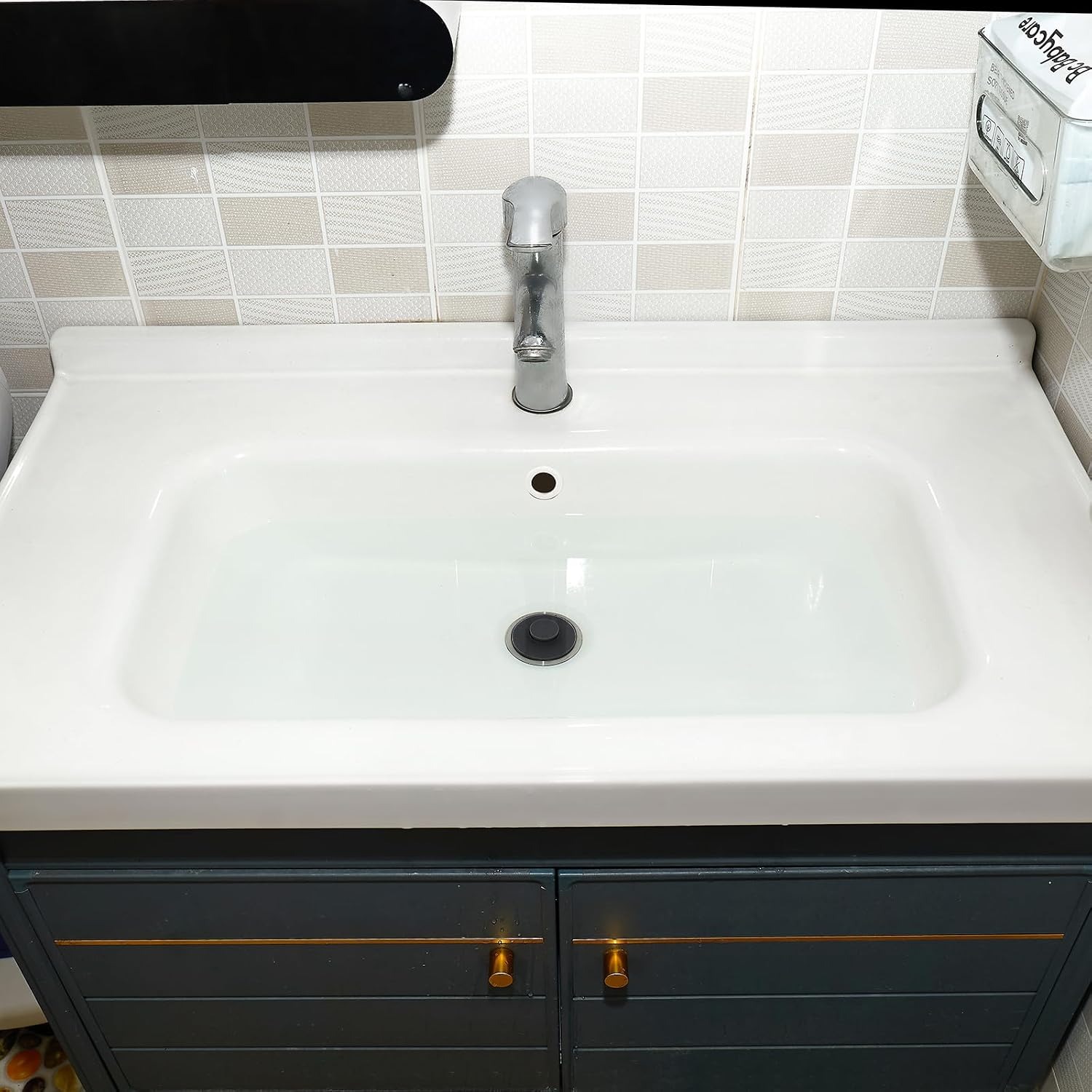
Families with a laundry tub, a utility sink or a second sink also do well out of a two pack. One stays in the bathroom, the other goes wherever it is needed.
Getting the size right
This is the part that decides whether you are happy or irritated, so it is worth two minutes with a tape measure.
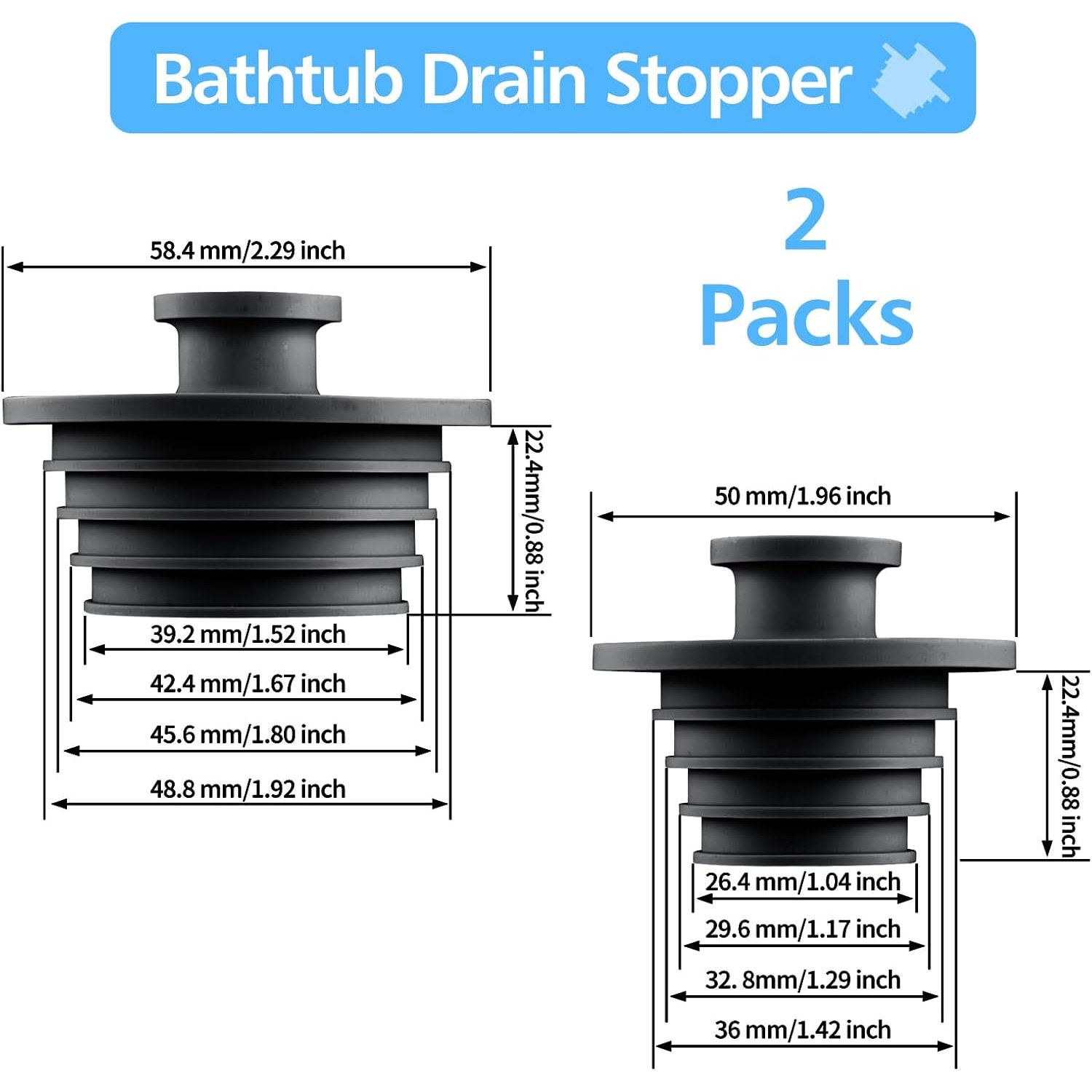
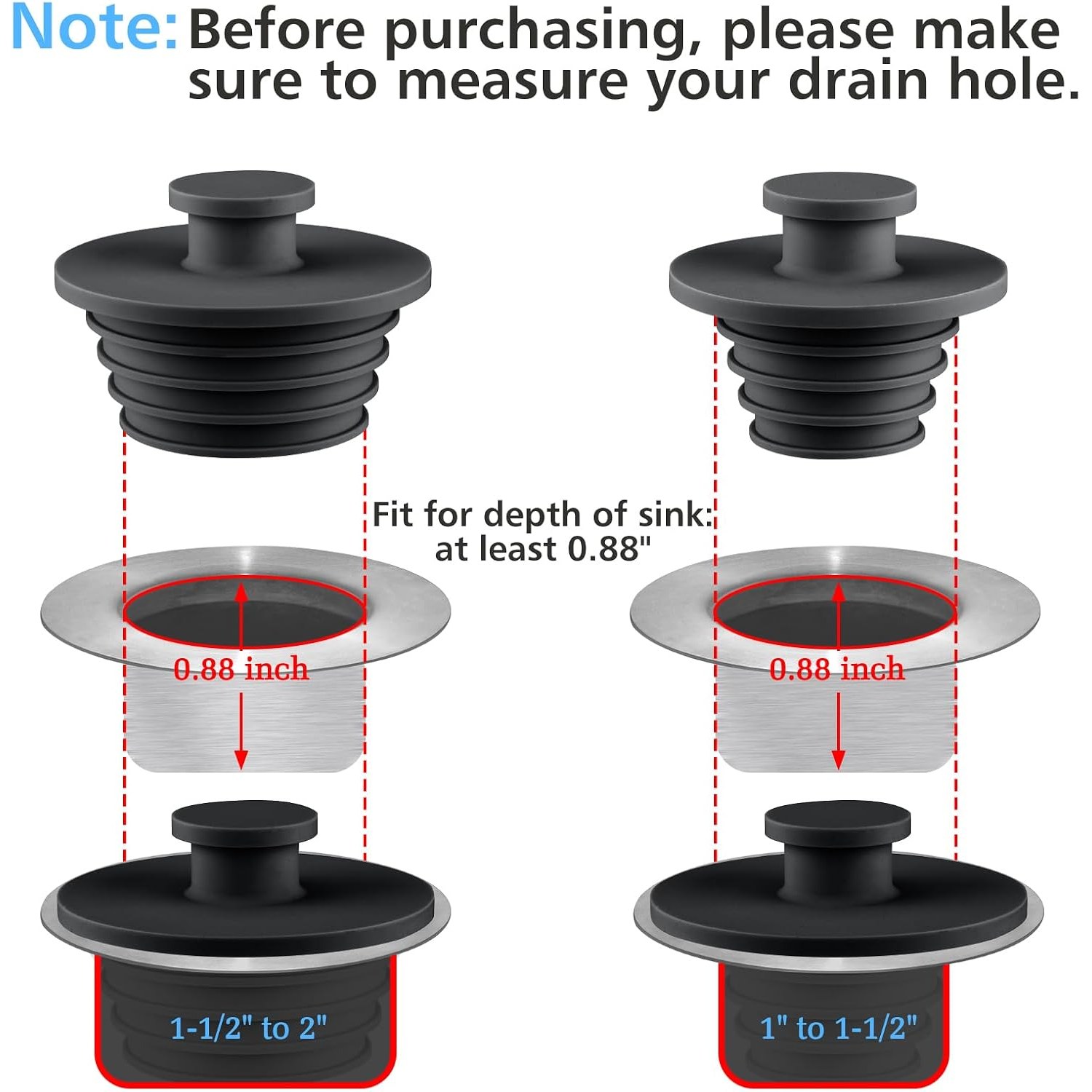
Measure across the open drain hole itself, not the metal flange or the decorative ring around it. The number you want is the internal diameter of the opening. If it sits between 1 in and 1-1/2 in, the smaller plug in the pack is yours. Between 1-1/2 in and 2 in, use the larger one.
Then check the depth. The maker suggests at least 0.88 in of clear depth so the sealing rings have somewhere to grip. If your drain has cross bars sitting right at the surface, the plug will perch on them instead of seating properly, and it will leak. Drop a pencil in and see how far it goes before it stops.
A quick tip. If you are between sizes, try the larger plug first. A plug that is slightly oversized compresses and seals. A plug that is slightly undersized rattles and floats.
Putting it in and taking it out
Push the plug into a dry or barely damp drain. Press down with your thumb and give it a small twist so the rings settle against the wall. You should feel it grip. Then run the water.
To remove it, hook a fingertip under the edge and lift. The silicone bends, air gets underneath, and the seal releases. There is no suction cup to go brittle and no chain to rust through.
If it leaks the first time, do not assume it is the wrong size. Pull it out and look at the rings. Hair, a bit of grit or a film of soap is almost always the culprit. Wipe the plug and run a finger around the inside of the drain to clear anything stuck there, then try again.
Looking after it
Silicone is easy. Rinse it under warm water when you pull the tub, then wipe it dry and leave it somewhere it can air out. That alone handles most of it.
Every few weeks, give it a proper wash with dish soap and a soft cloth, paying attention to the grooves between the rings. That is where soap scum likes to build up, and a clean ring is a ring that seals.
Keep bleach, drain cleaner and abrasive powders away from it. Scratches in the sealing surface are what eventually ruin a plug, and scouring pads are very good at making scratches. Store it flat or hanging rather than squashed under something heavy, and the shape stays true.
A couple of things it will not do
Worth being straight about. A push-in plug cannot work where there is no clear opening. If your tub has a pop-up fitting bolted in place, you need to remove that fitting first, and some of them are stubborn.
It also will not fix a drain that is leaking below the plug, at the drain connection or in the trap. If water is disappearing even with the plug sitting tight and the surfaces clean, the problem is further down the pipe and worth a proper look.
And it is not a hair catcher. It blocks the drain completely by design. If you want something that lets water through while trapping hair, that is a different product.
The short version
A tub that will not hold water is nearly always a plug problem, not a plumbing problem. Stepped silicone plugs seal against the inside of the drain rather than balancing on the rim, which makes them far more forgiving on older or scratched openings.
Measure your drain opening across the widest point and check it has at least 0.88 in of depth. Anything from 1 in to 2 in across is covered by one of the two plugs in this pack. Push it in, give it a twist, and get your tub back.
It costs less than a bottle of bath oil and takes about five seconds to fit. For a problem that has been quietly annoying you for months, that is a decent trade.