
The complete guide
How To Choose A Shower Drain Hair Catcher That Actually Works
The problem nobody deals with until it is too late
A shower drain does not block overnight. It fails slowly. First you notice a small puddle around your feet at the end of a long shower. A few weeks later the water is sitting at your ankles. By the time you are standing in a cold pool waiting for it to go down, there is already a solid mass of hair and soap residue wedged in the trap below.
Hair is the main culprit in almost every bathroom blockage. On its own it would probably wash through. The trouble is that soap, conditioner, shampoo and body oils cling to it. Each strand collects a bit more film, the clump catches the next strand, and the whole thing builds into something that water cannot pass.
The fix most people reach for is a bottle of drain cleaner. It sometimes works. It is also harsh on older pipes, unpleasant to handle, and it does nothing to stop the same thing happening again next month. A drain snake clears the blockage but it is a messy job. A plumber charges for the call out regardless of how simple the problem turns out to be.
Catching the hair before it goes down is the cheaper and less annoying option. That is all a stainless steel tub drain strainer does.
How a drop in drain strainer works
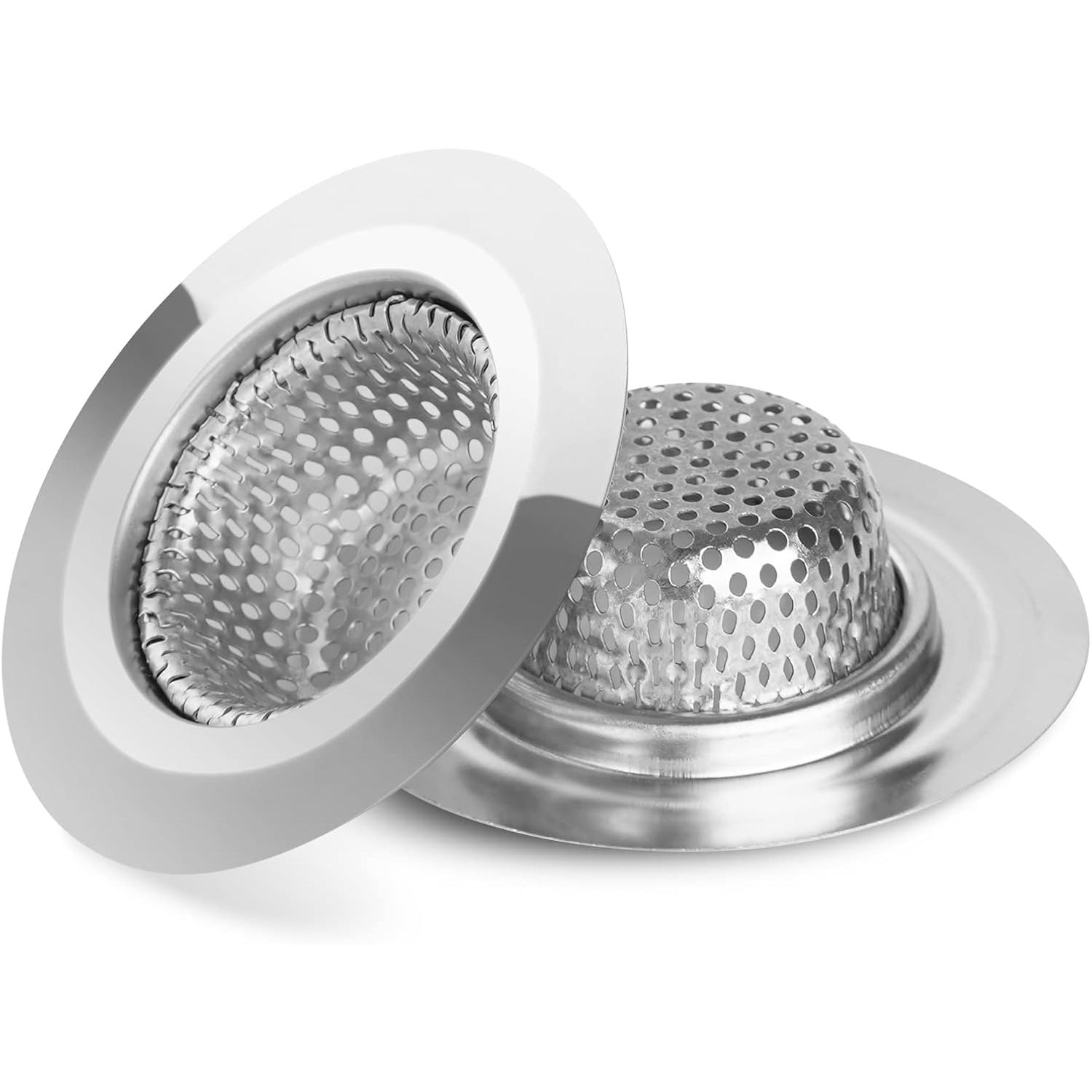
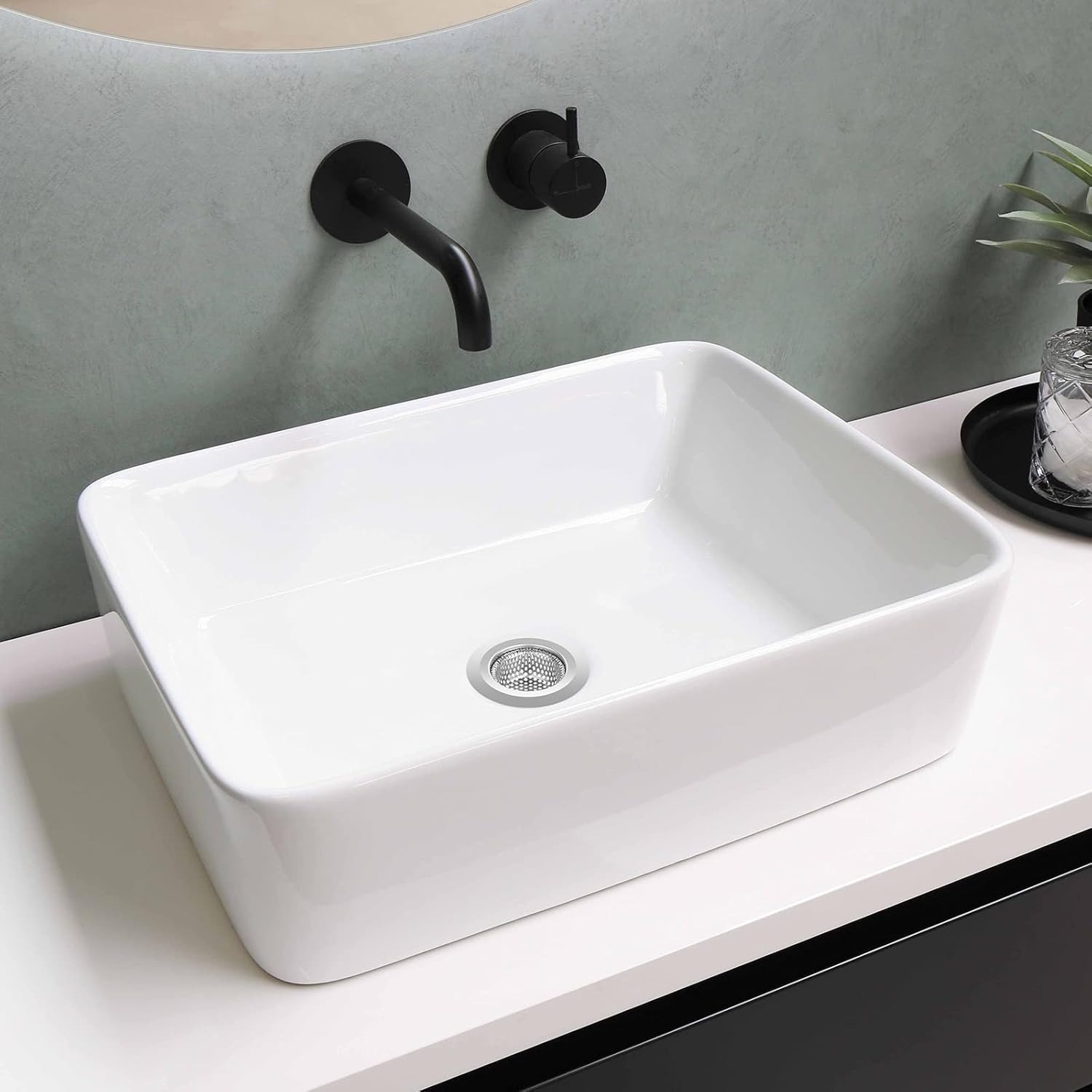
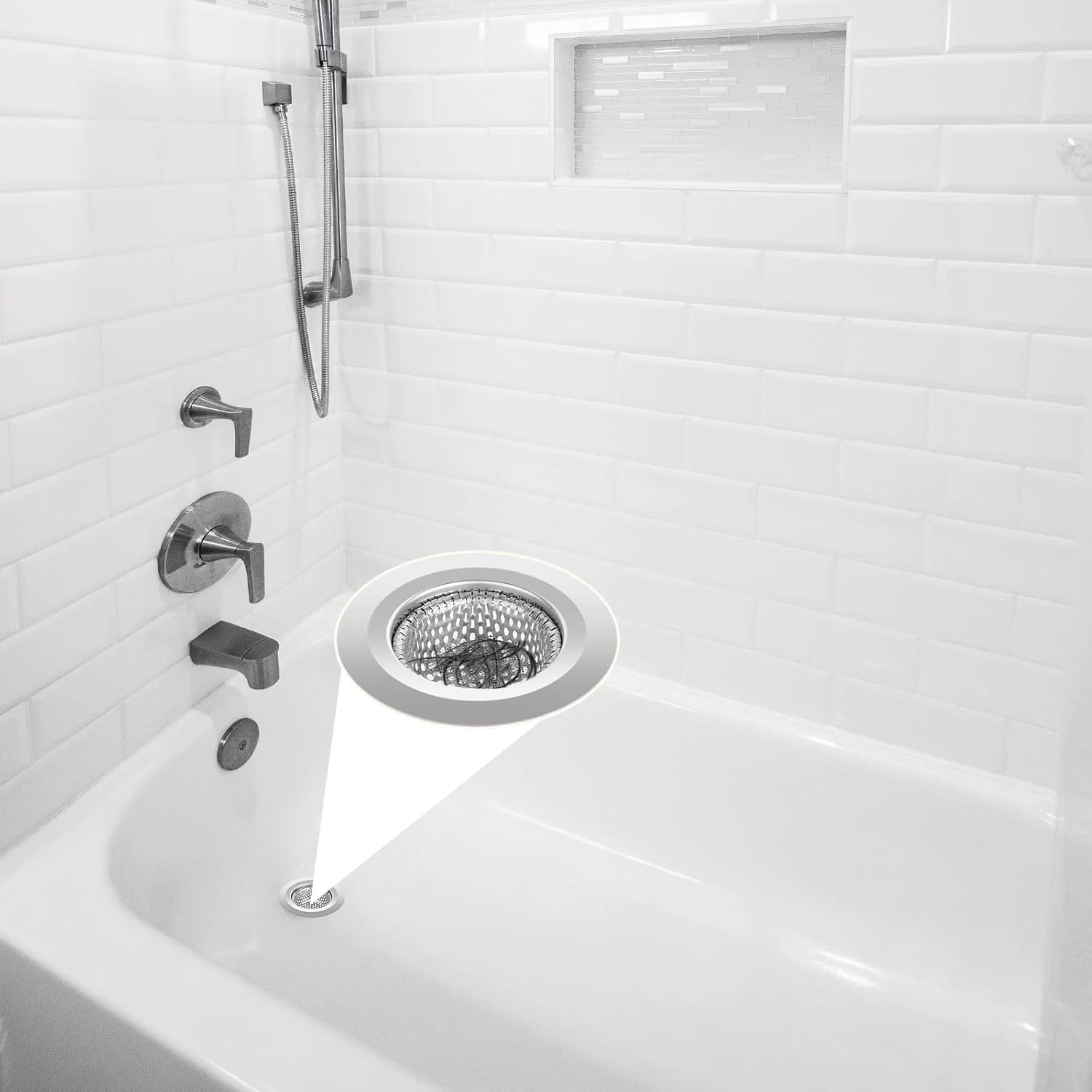
The strainer is a shallow metal basket with a flat rim around the top. You place it into the drain opening, the rim rests on the drain lip, and the basket sits down inside the recess. Water runs into the basket, passes out through the perforations, and continues down the pipe as normal. Hair and larger debris stay behind.
On this model, the perforations are around 0.08 inch. That size is a balance. Make the holes bigger and fine hair slips straight through, which defeats the purpose. Make them smaller and the flow rate drops noticeably. At 0.08 inch, water drains at a normal pace while strands get held on the surface of the mesh.
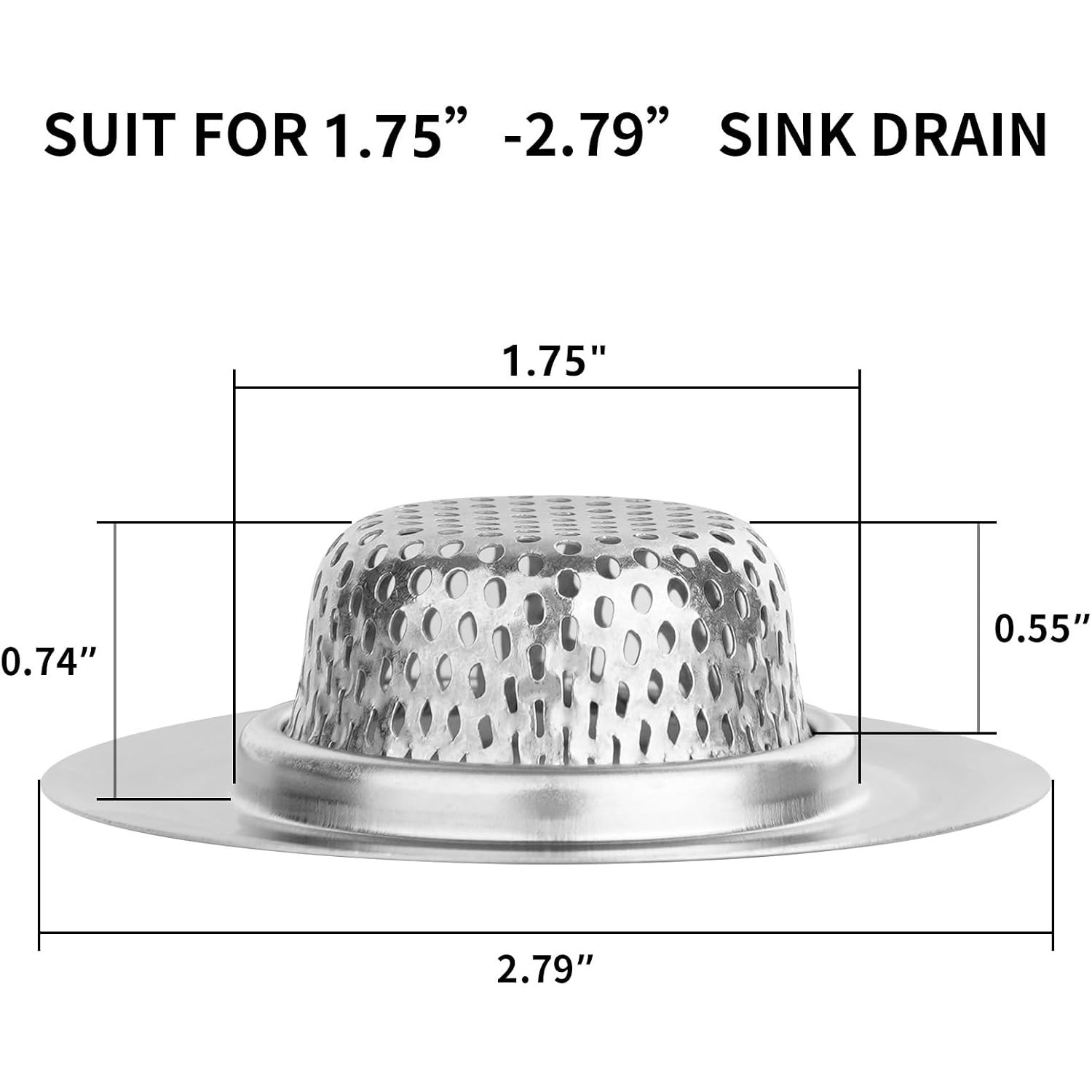
The depth of the basket matters more than people expect. A flat screen sitting across the drain has one layer to work with, so once hair mats across it the water has nowhere to go. A basket that drops 0.74 inches into the opening gives the water a much bigger surface area. Hair tends to collect in the bottom while the sides stay clear, so the drain keeps working even when the basket is partly loaded. That is the difference between a good anti clog drain strainer and one you end up throwing out.
Why stainless steel over plastic
You can buy plastic hair catchers for very little money, and in a dry environment they would be fine. A shower floor is not a dry environment. Plastic in constant contact with hot water, soap and conditioner goes cloudy, stains, and develops a slightly rough surface that grips soap scum. Once that happens, cleaning it becomes a chore rather than a rinse.
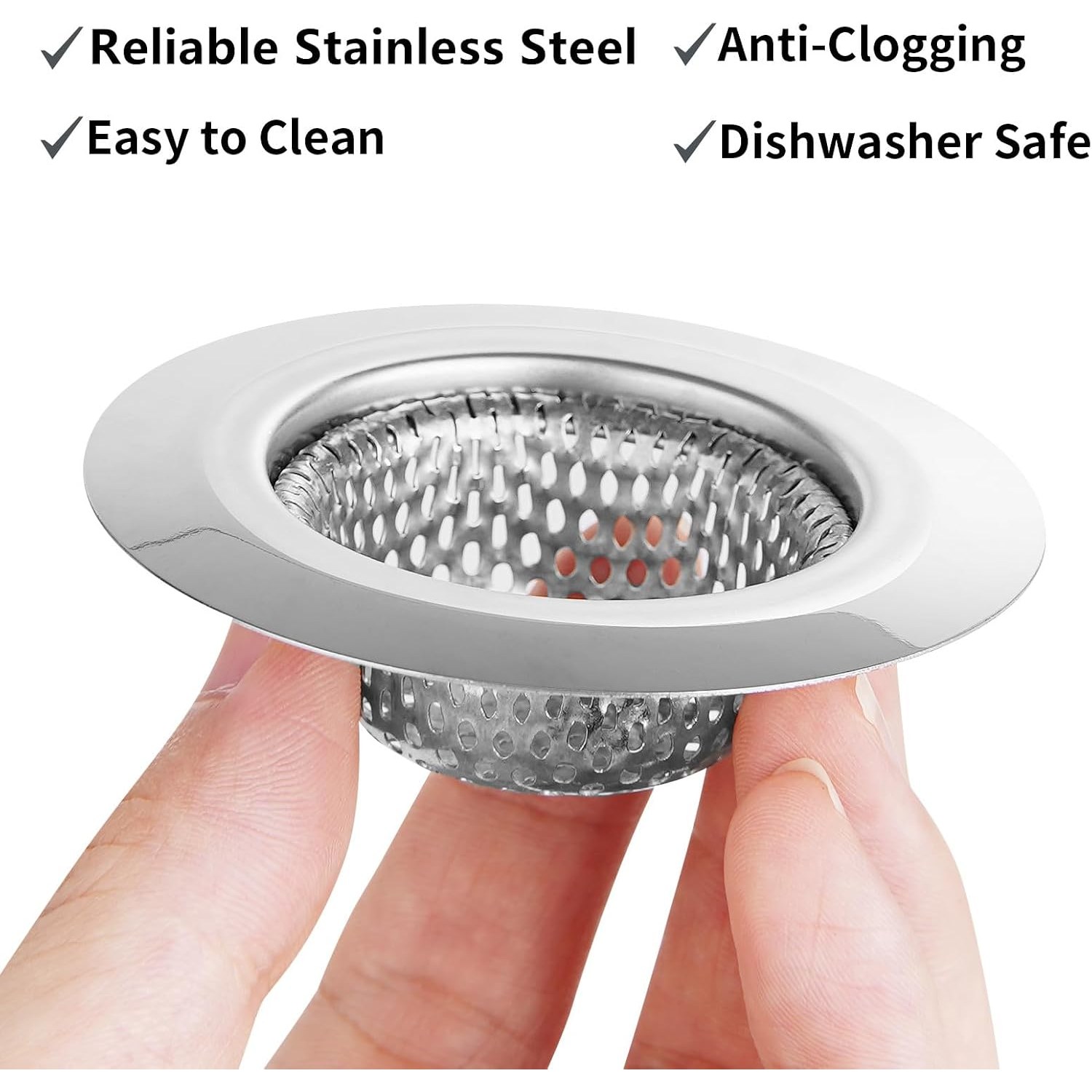
Stainless steel does not have that problem. It is rust resistant, which is the first thing you want in something that lives in standing water. The mirror surface does not hold oil stains the way textured plastic does, so most of the time a blast under the faucet takes it back to clean. It also looks like part of the fitting rather than an afterthought, which matters if you have chrome or brushed fixtures in the bathroom.
The other practical benefit is heat. A stainless basket can go in the dishwasher without warping, so when it needs a deeper clean you can load it with the normal run instead of scrubbing it by hand.
Getting the size right
This is where most strainer purchases go wrong, so take a minute with a tape measure.
Pull out whatever is currently sitting in your drain opening, whether that is a removable grate, a plug or a stopper. Measure across the opening at its widest point, from the inside edge of the metal rim to the opposite inside edge. Then check how deep the recess goes.
This strainer is 2.79 inches wide and 0.74 inches tall, with a compatible groove diameter listed at 2.75 inches and a compatible groove depth of 0.74 inches. It is designed for drain holes between roughly 1.75 and 2.79 inches. Most standard bathtubs, shower bases and bathroom sinks fall somewhere in that range, but there is enough variation between fittings that it is worth confirming rather than assuming.
If your drain cover is screwed down flush with the floor and cannot be removed, a drop in strainer is not the right product. Same goes for linear channel drains, which need a long cover rather than a round basket.
Who gets the most out of it
Anyone in the house with long hair is the obvious answer. A single long hair wash can shed enough to start a clog, and that is the exact scenario a fine mesh hair catcher is built for.
Pet owners find them useful too, especially if the dog gets washed in the tub. Dog coat sheds in volume and goes straight into the trap.
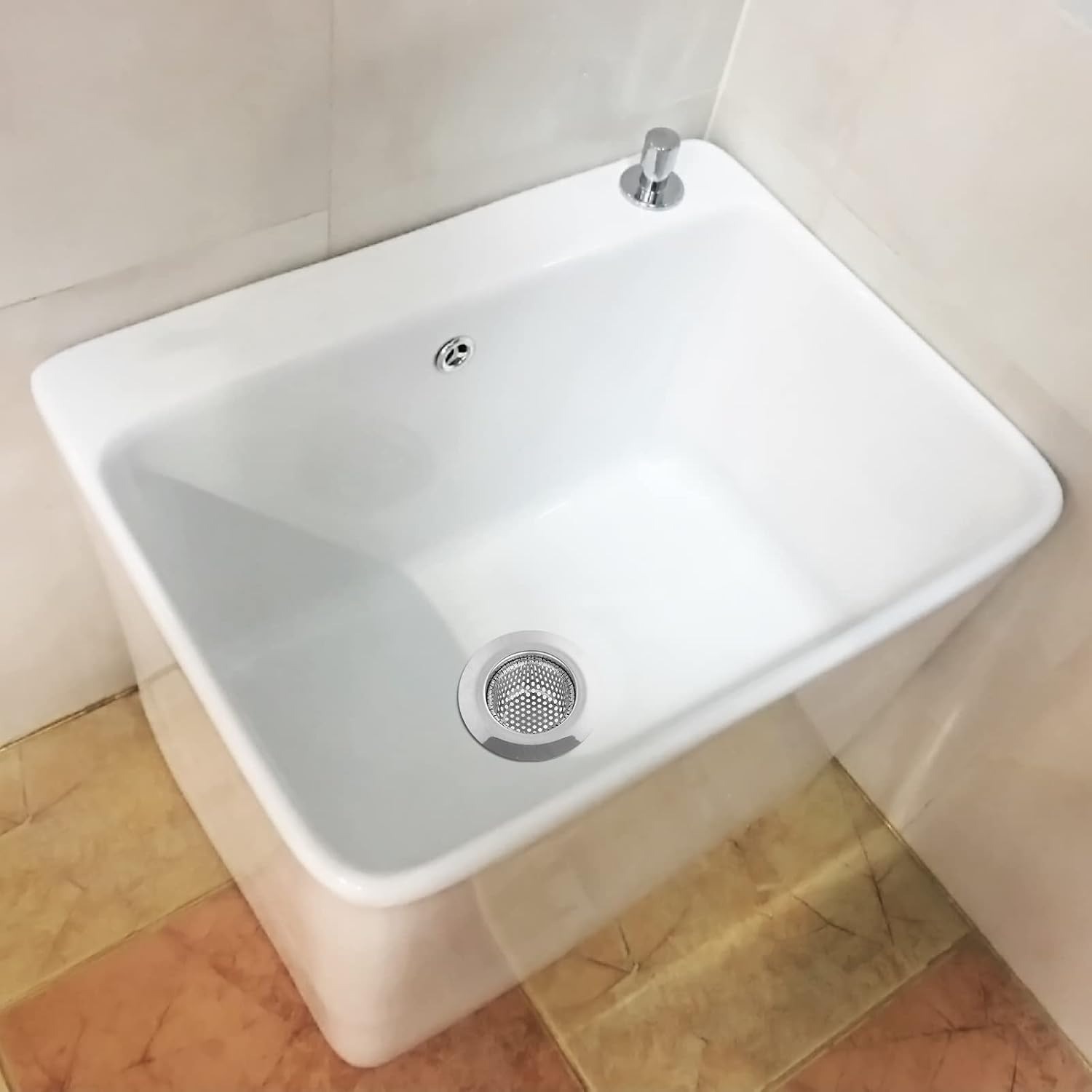
Beyond the bathroom, the same basket works in a laundry trough where lint and fibers come off hand washing, in a utility or slop sink, and in an RV or RV sink where the plumbing is small and a blockage is a genuine headache. Two come in the pack, so you can cover two drains or keep a spare in rotation while one dries.
Renters like them for a different reason. There is nothing to install, nothing to glue, and nothing to explain at the end of the lease. It drops in and it comes out.
Living with it
The routine takes about five seconds. Lift the basket out, tip the hair into the trash, rinse under the faucet, drop it back in. Doing it after every shower is ideal when someone in the house sheds a lot. Once or twice a week is fine for a lighter use bathroom.
Resist the temptation to flush the collected hair down the toilet or back down the drain. Bin it. That is the whole point.
For a deeper clean, warm water with a little dish soap and a soft brush will handle soap film. If the basket has built up a stubborn coating, let it soak in warm soapy water first and the residue will lift. Keep steel wool and gritty cleaners away from the mirror finish, since scratches give soap scum somewhere to grab hold.
Dry it occasionally if you want the finish to stay spot free, though this is cosmetic rather than functional.
What it will not do
Fair expectations help here. A strainer stops new hair entering the pipe. It cannot clear a blockage that already exists. If your drain is slow right now, deal with that first, then fit the strainer to keep it clear afterwards.
It also will not catch everything. Very fine particles, soap slivers and dissolved product still pass through, which is normal and not a problem. The goal is removing the material that binds into clogs, and hair is overwhelmingly that material.
Finally, it occupies the spot where a plug sits, so if you fill the tub for tubs you will be lifting the strainer out and putting it back. That is a small trade for not standing in gray water.
The short version
Hair plus soap equals blocked pipes, and the cheapest place to stop it is at the drain opening. A stainless steel basket with fine perforations and real depth catches the hair while water keeps moving. Stainless holds up to permanent damp far better than plastic, rinses clean, and goes in the dishwasher when it needs it.
Measure your drain opening at its widest point and make sure you sit inside the 1.75 to 2.79 inch range. If you do, this drops in, needs no tools, and quietly saves you from the drain cleaner aisle. Two in the pack means a second bathroom, a laundry tub or a RV sink gets covered as well.