
The complete guide
Toilet Brush and Plunger Set Buyer's Guide
The corner nobody wants to look at
Every bathroom has one. A plunger propped against the wall with a damp ring under it, a brush in a plastic cup that has gone cloudy, and a bit of floor you avoid mopping because you would have to move both. It is a small annoyance, but it is a daily one, and it makes an otherwise clean room look unfinished.
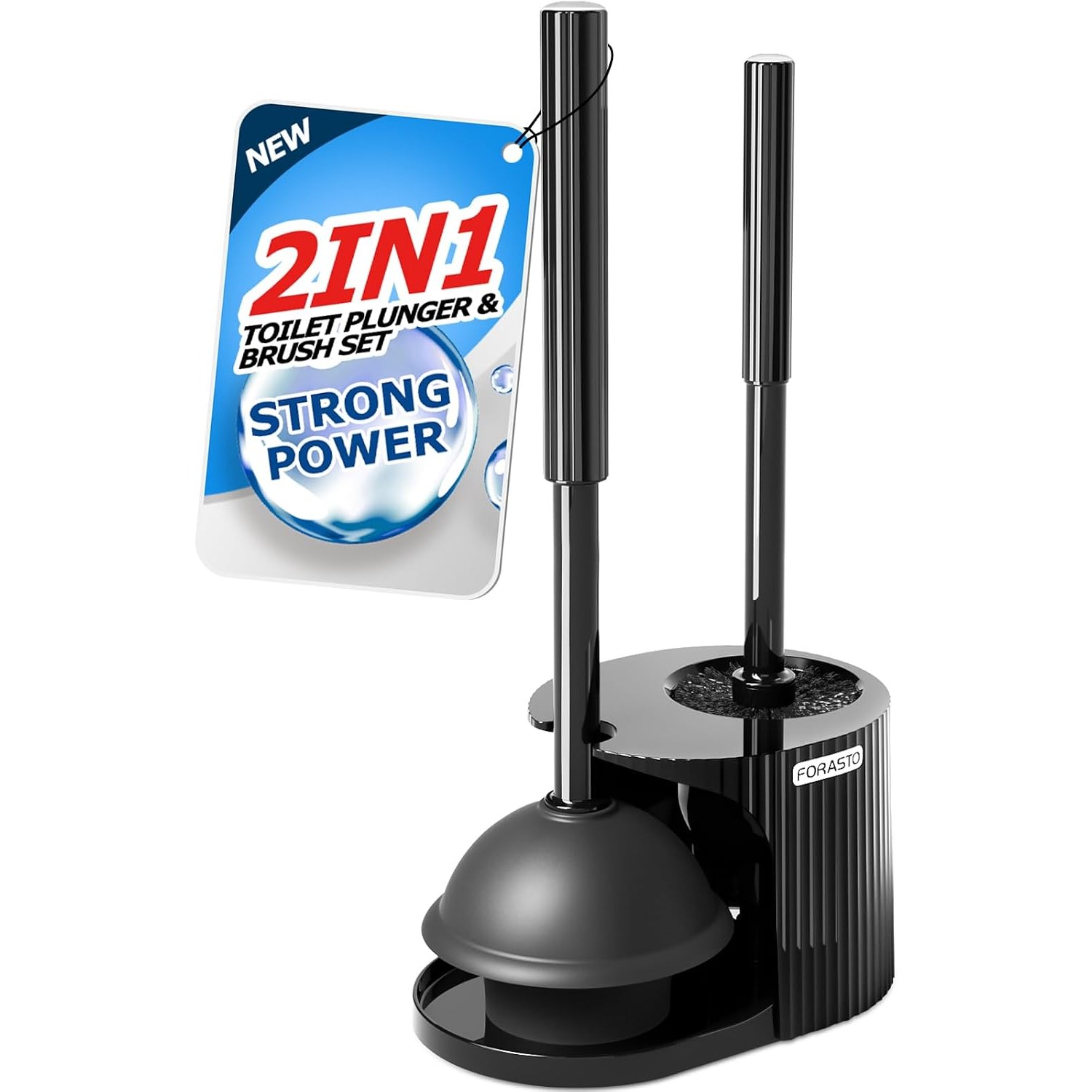
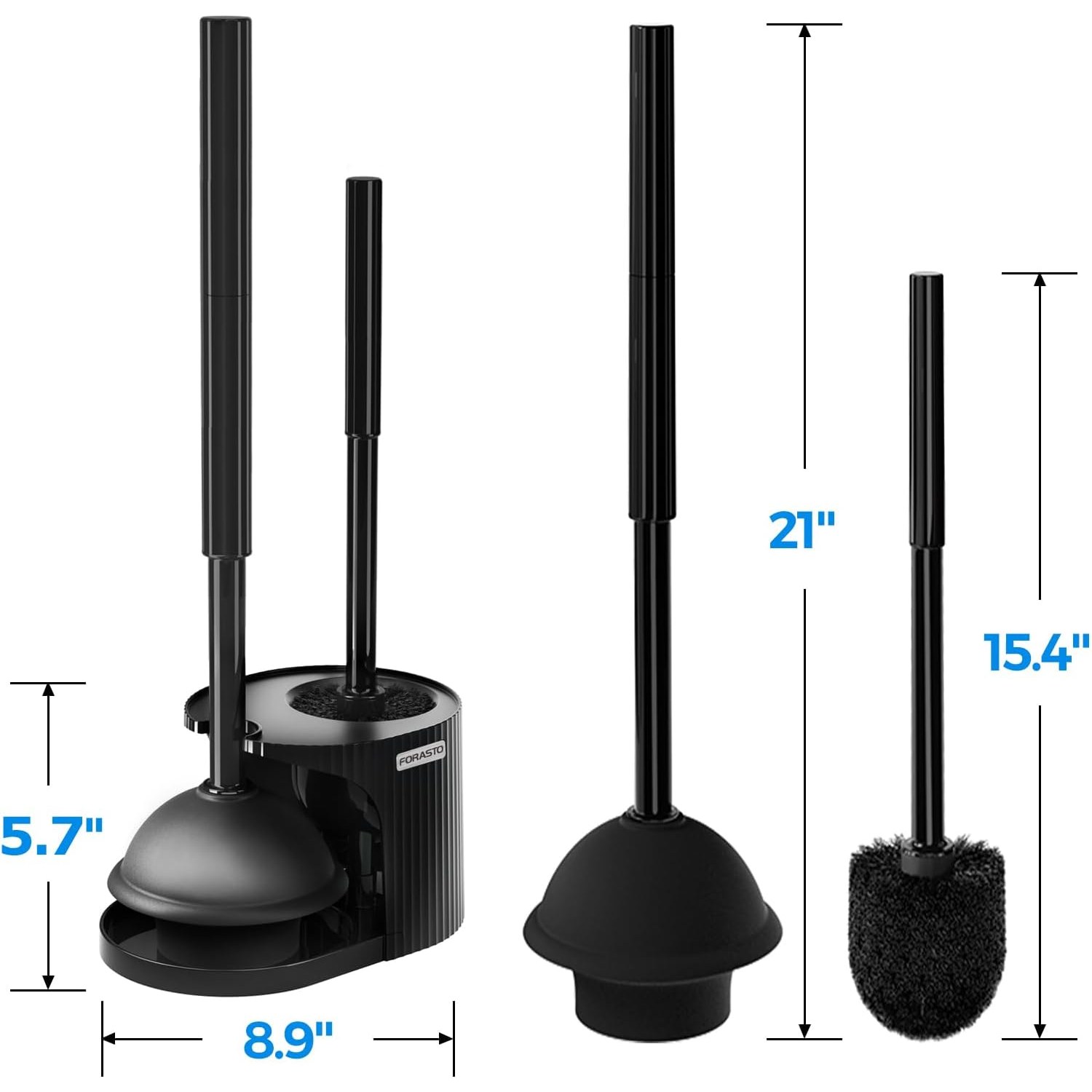
A combined toilet brush and plunger set fixes that in the simplest way possible. Both tools go into one base. The heads are hidden. The drips land in a tray instead of on the tiles. You move one object when you clean the floor, not two.
That is the whole argument for this product category. It is not glamorous, but if you have ever rented a small apartment with a bathroom barely wider than the door, you already know why people buy them.
How a plunger actually works
There is a common misunderstanding here worth clearing up, because it changes how well the tool performs.
A plunger does not suck a blockage out. It pushes. When you seat the rubber cup over the drain opening and press down, the cup compresses and forces the water already sitting in the bowl and trap downward against the clog. Water does not compress, so all that force goes straight into the obstruction. The pull-back stroke resets the cup and sometimes rocks the blockage loose from the other direction, but the push is doing most of the work.
Two things make or break this. First, the seal. If air gets between the rubber and the porcelain, you are just splashing water around. Seat the cup squarely and keep it submerged the whole time. Second, water level. There needs to be enough water in the bowl to cover the cup. If the bowl has drained low, add a jug of water before you start.
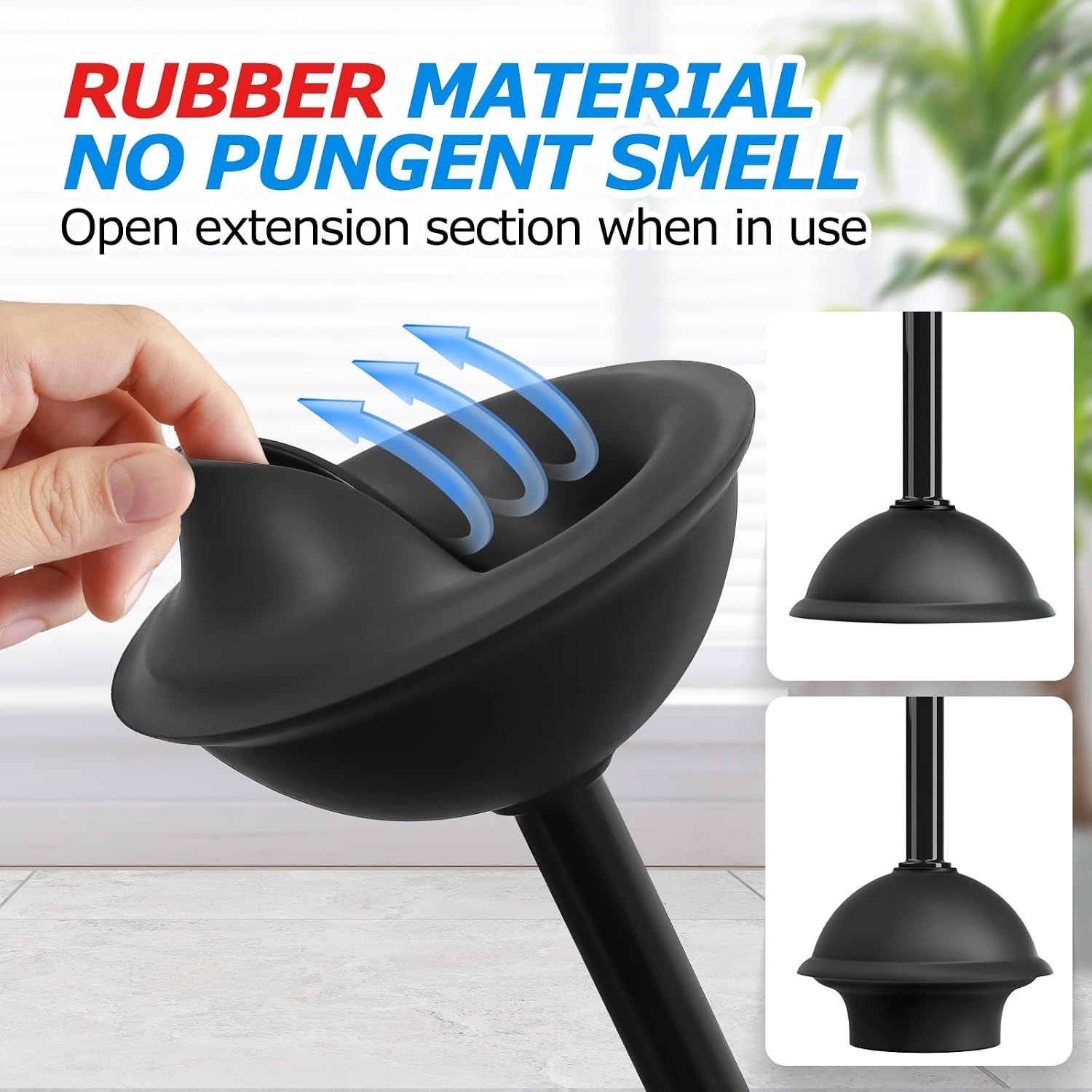
The cup on this set is heavy rubber shaped to form that seal on a standard bowl. It is the ordinary household design, which is exactly what you want. Specialist accordion and bellows plungers exist, but for a typical domestic clog, a well-seated cup plunger clears it faster and with less mess.
Why handle length matters more than people expect
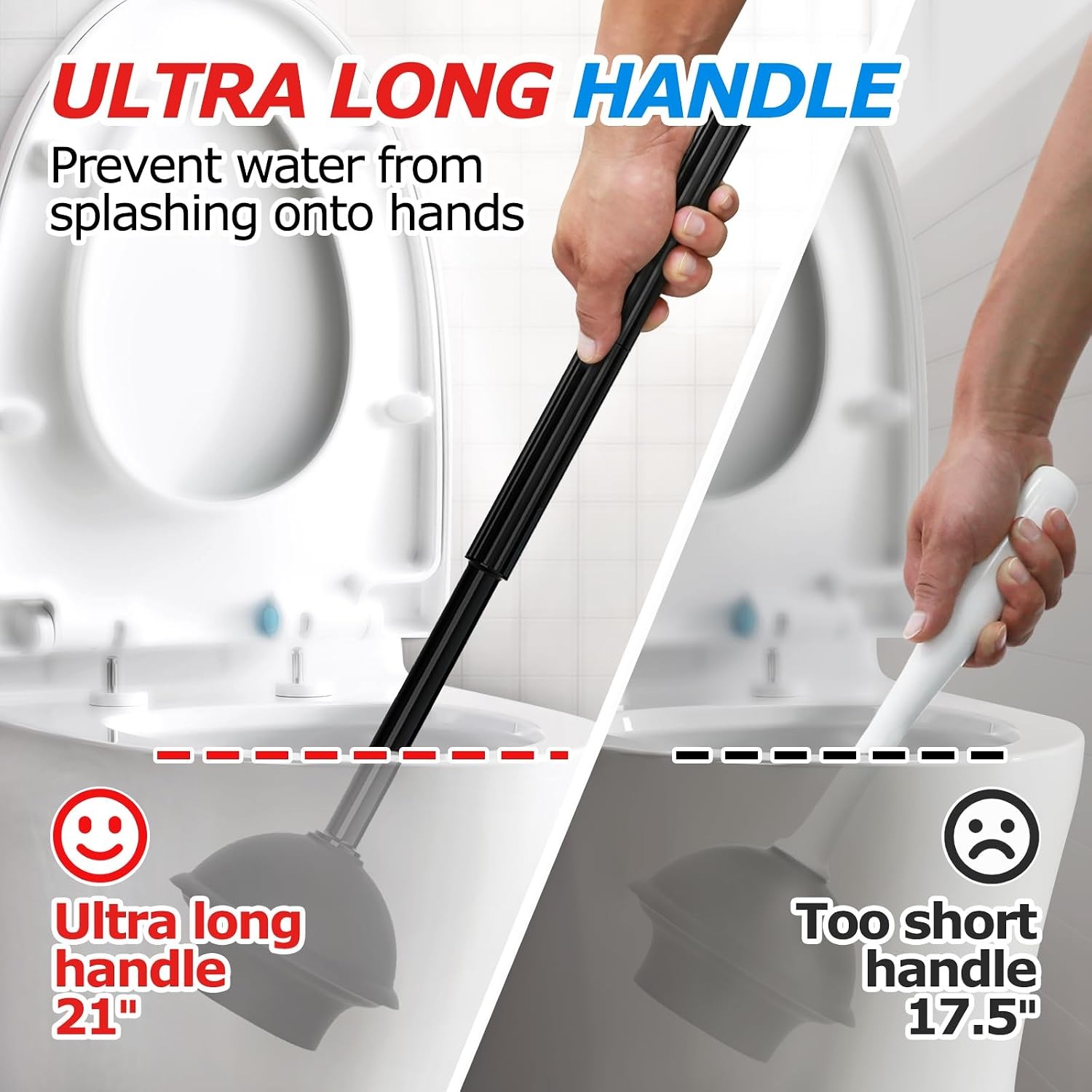
Both tools here use 21-inch handles. That is longer than a lot of budget sets, and it changes the experience in two ways.
With the plunger, a longer handle gives you more force. You can stand more upright and use your body weight instead of crouching and pushing with your arms alone. Less effort, more force where it counts.
With the brush, it is about distance. A short-handled brush puts your hand roughly a forearm's length from the water. A 21-inch handle means you can reach under the rim and down into the trap while standing comfortably, with no splash risk and no awkward lean over the bowl. Anyone who has cleaned a toilet with a stubby brush knows the difference immediately.
Longer handles do mean a slightly taller holder, so check the gap beside your toilet if space is tight. In most bathrooms the vertical space is the one dimension there is plenty of.
Nylon bristles and what they are good at
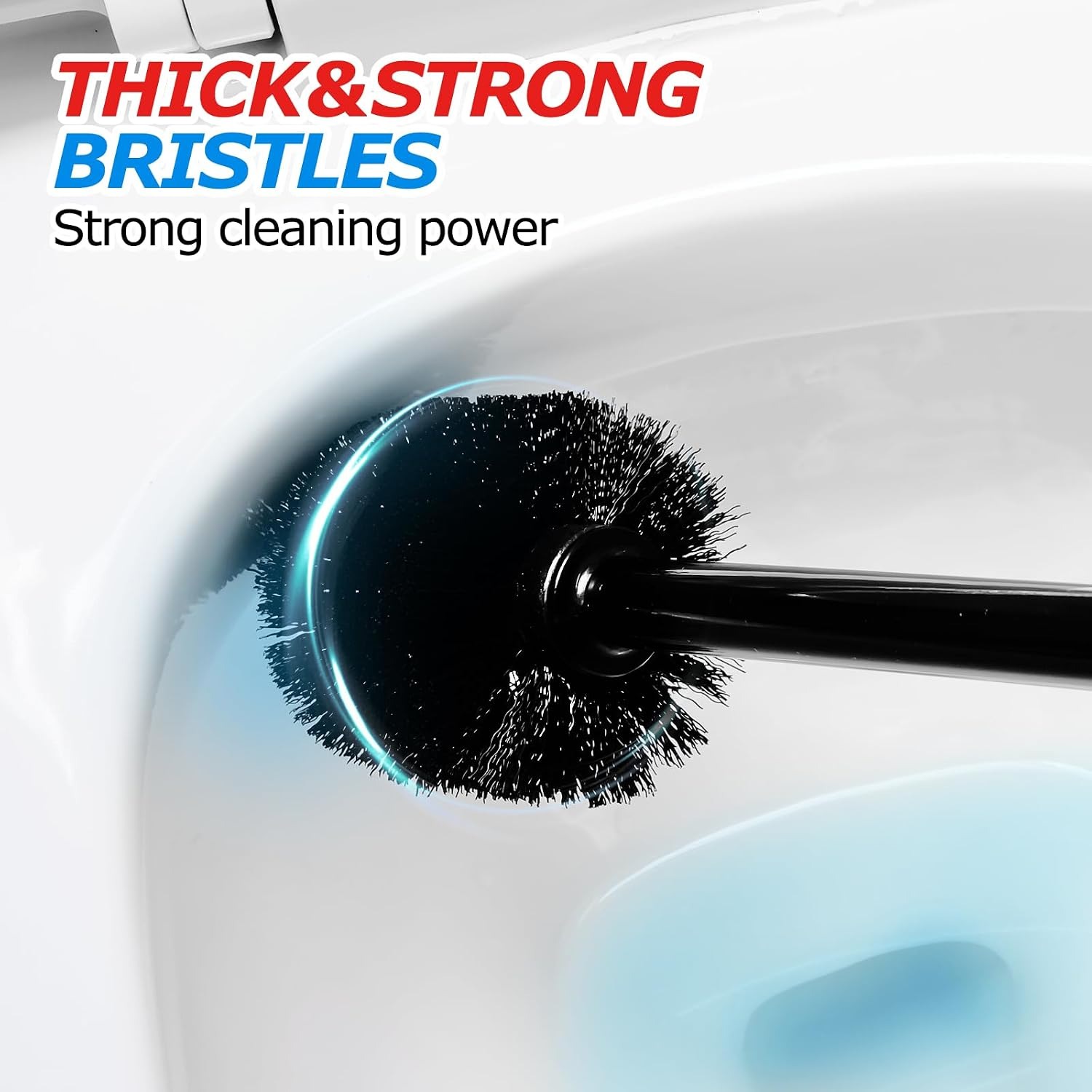
The brush head uses dense nylon bristles. Nylon is the standard for toilet brushes because it holds its shape when wet, springs back after being pressed against the bowl, and will not scratch glazed porcelain.
The arrangement matters as much as the material. A dense head with bristles around the full circumference lets you scrub the curve of the bowl and get up under the rim, which is where limescale and staining usually start. A sparse, flat head only cleans what it happens to touch.
Nylon does wear. After a year or two of regular use, the bristles splay outward and stop holding their shape against the porcelain. That is the point to replace the brush. It is not a fault, it is just how bristles age, and a worn brush spreads mess around more than it removes it.
Storage is the part that earns its keep
The ventilated base is the feature people underestimate when buying and appreciate most afterwards.
Here is the problem it solves. After you use a toilet brush, the head is wet. If you drop it straight back into a closed cup, that water sits there. Still water in an enclosed plastic tube is where smells come from. Within a week you have a cup you do not want to open.
A ventilated base lets air move around the head while the tray underneath collects the run-off. The water evaporates instead of stagnating, and the floor stays dry. All you have to do is tip the tray out and rinse it every week or so. That one small habit is the difference between a holder that stays fresh for years and one that becomes the worst thing in the bathroom.
The canister on this set also covers both heads. That is partly looks and partly practical, since an exposed brush head collects dust and is simply unpleasant to have at eye level when you are sitting down.
Who this suits
Renters and first-time apartment dwellers get the most out of it. Small bathrooms have no room for separate caddies, and nothing here needs to be fixed to a wall or floor, so there is no damage to a deposit.
New homeowners setting up from scratch find it convenient because it covers two needs in one purchase. Families with busy bathrooms benefit from the longer handles and the drip tray, since the set gets handled more often and by more people.
Guest bathrooms are another good fit. The concealed heads and plain black finish mean the tools are there when needed but not on display.
If you have a very large bathroom with a dedicated cleaning cabinet, a combined set matters less. You might prefer a full-size commercial plunger stored out of sight. This product is built around the assumption that storage space is the constraint.
How to choose between sets
A few things worth comparing when you are looking at options in this category.
Handle length is the easiest spec to check and the one that affects daily use most. Anything under about 15 inches will have you bending over the bowl.
Base design comes next. Look for ventilation holes or a raised platform that keeps the head out of standing water. A sealed cup with no drainage is where odor problems start.
Cup shape on the plunger matters for which toilets it fits. A simple domed cup suits most standard bowls. Some designs add a flange that folds out for toilet use and folds in for sinks, which is useful if you want one tool for both, though it is more to clean afterwards.
Finally, think about looks honestly. A toilet brush holder sits in plain view in most bathrooms. A plain matte finish in a neutral color disappears into the room. A bright or glossy one draws the eye to the one thing you would rather people not notice.
Looking after it
The routine is short. Rinse the brush head under the flush or running water after use, shake it off, and put it back. Rinse the plunger cup the same way. Empty and rinse the drip tray weekly and let it dry.
Wipe the handles and the outside of the canister with a damp cloth and a mild cleaner whenever you clean the rest of the bathroom. Avoid leaving plastic parts soaking in strong bleach for hours, since that can make plastic brittle over time. A diluted disinfectant rinse is plenty.
Store it away from radiators and direct heat. Replace the brush when the bristles splay and no longer spring back.
The short version
This is a practical, unglamorous item that does two jobs well and takes up one corner instead of two. The 21-inch handles keep your hands clear of the bowl and give you more force when plunging. The nylon brush head reaches around the full bowl and under the rim. The ventilated base catches drips and lets the heads dry, which is the single biggest factor in whether a toilet brush holder stays pleasant to live with.
Rinse after use, empty the tray weekly, replace the brush when the bristles give out. Do that and the set will quietly handle both of the jobs it exists for, for a long time.