
The complete guide
Choosing a Toilet Plunger with a Covered Holder
The problem nobody plans for
A plunger is one of those objects you ignore completely until the moment you need it, and then it becomes the most important thing in the house. The trouble is what happens in between. Most plungers get used once, rinsed badly, and left standing in a corner where they drip on the floor and slowly become the least attractive thing in the bathroom.
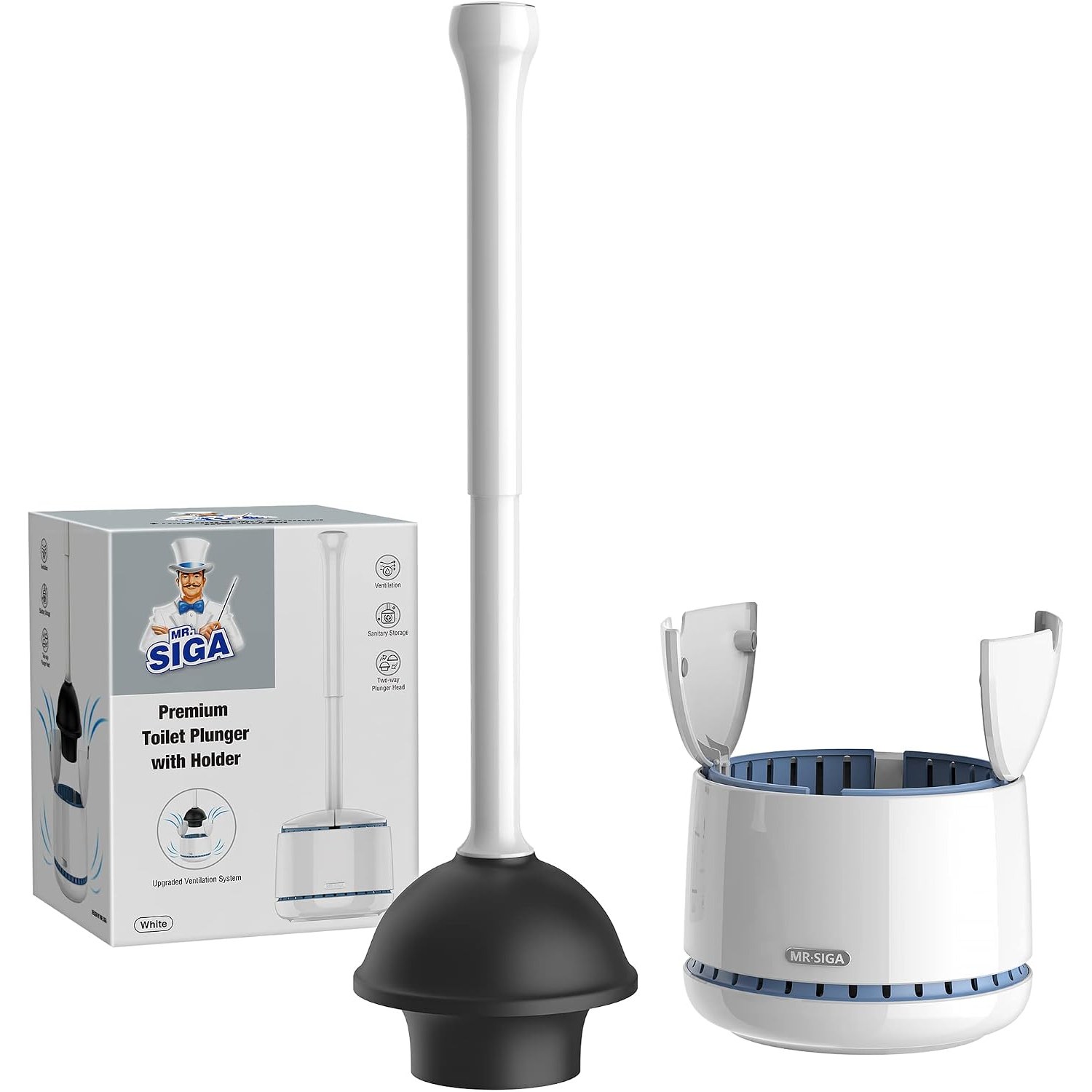
That is the real reason people shop for a toilet plunger with covered holder. The plunging part is not complicated. Rubber, water, pressure. What is complicated is owning one for years without it becoming an eyesore or a hygiene problem. A set that comes with its own enclosed caddy fixes the storage question at the same time as the clog question, and it does it without asking you to find a cabinet.
How a plunger actually works
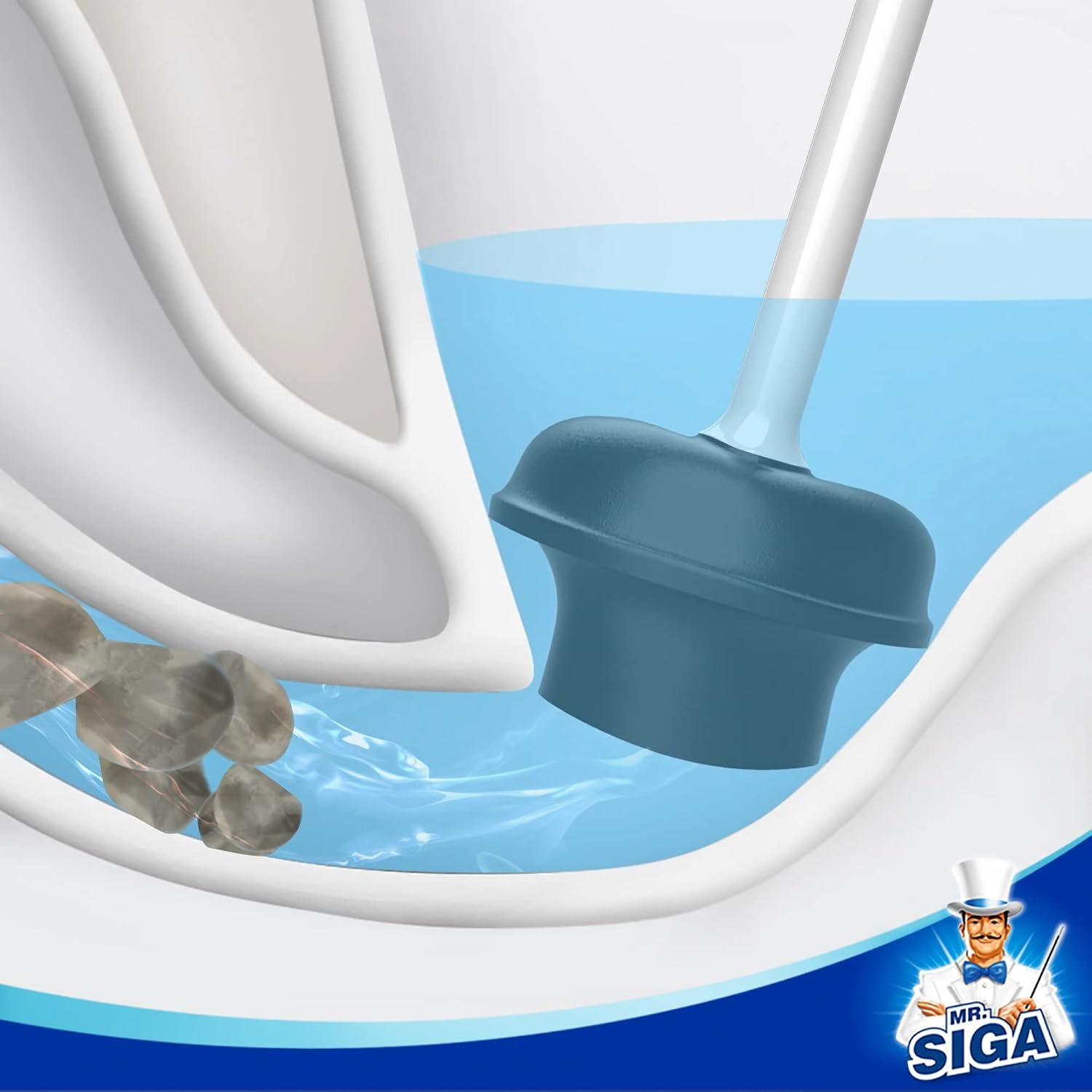
It helps to understand what you are doing, because a lot of people plunge wrong and then blame the tool. A plunger does not suck a blockage out. It moves a column of water back and forth through the trap, and that pressure wave breaks the clog apart or pushes it along.
For that to happen you need two things. You need enough water in the bowl to cover the rubber cup, and you need a proper seal between the cup and the drain opening. If either is missing, you are just pushing air around and splashing yourself.
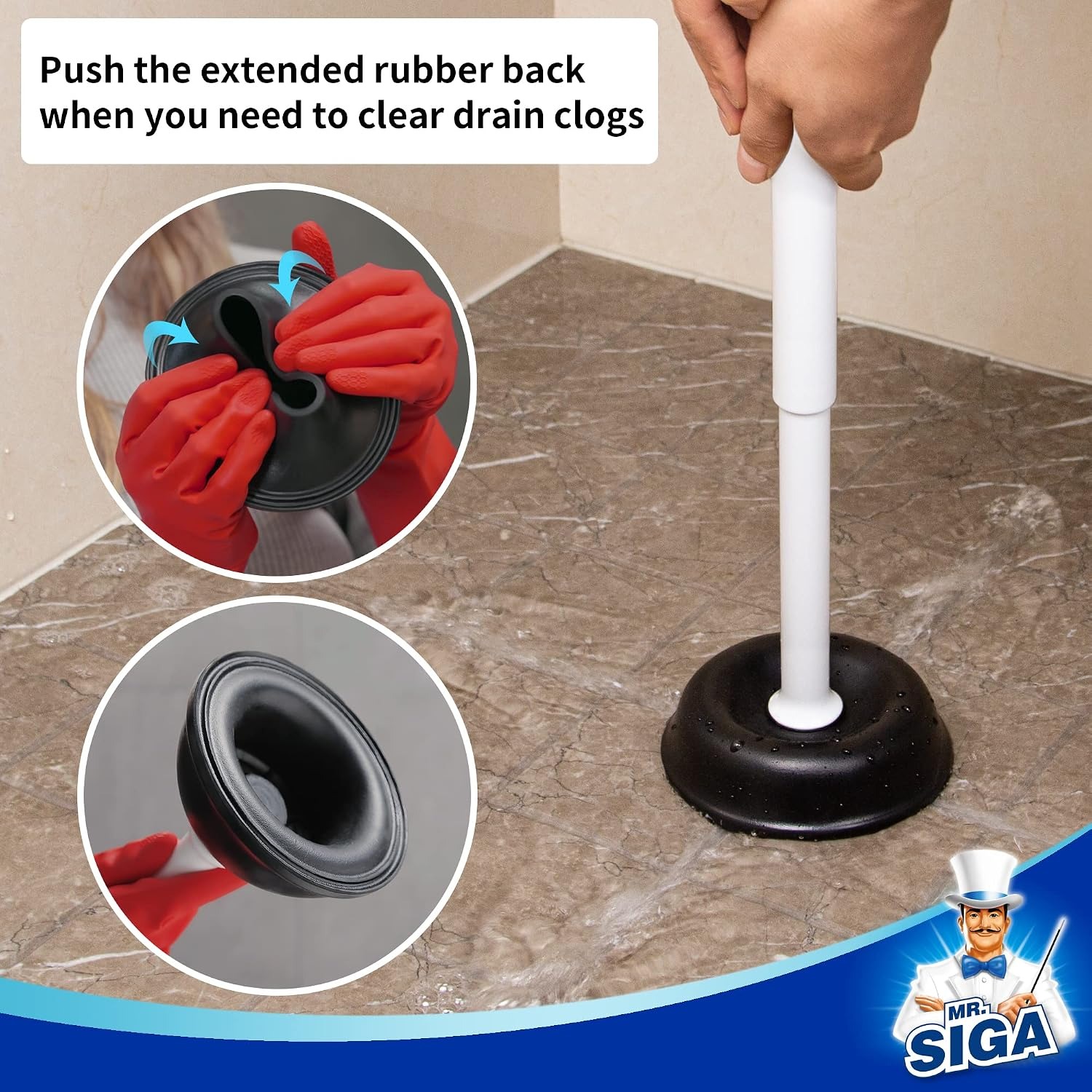
This is where the extended flange matters. A flat cup, the kind you see on old sink plungers, cannot seal against the curved outlet of a toilet. The extra rubber sleeve on this design drops into the outlet and grips it, which creates the seal that makes the pressure work. When you need it for a sink, tub, or shower, the flange folds back up inside the cup and you are left with a flat face suited to a flat drain. One tool covers both, which saves you buying the best toilet unblocking tool twice.
The first push should always be slow. You are expelling trapped air, and if you slam down on the first stroke, that air comes straight back at you along with whatever is in the bowl. Once the air is out, work in firm, even vertical strokes and keep the seal unbroken. Most household blockages clear within ten or fifteen good pushes.
Why the handle design counts
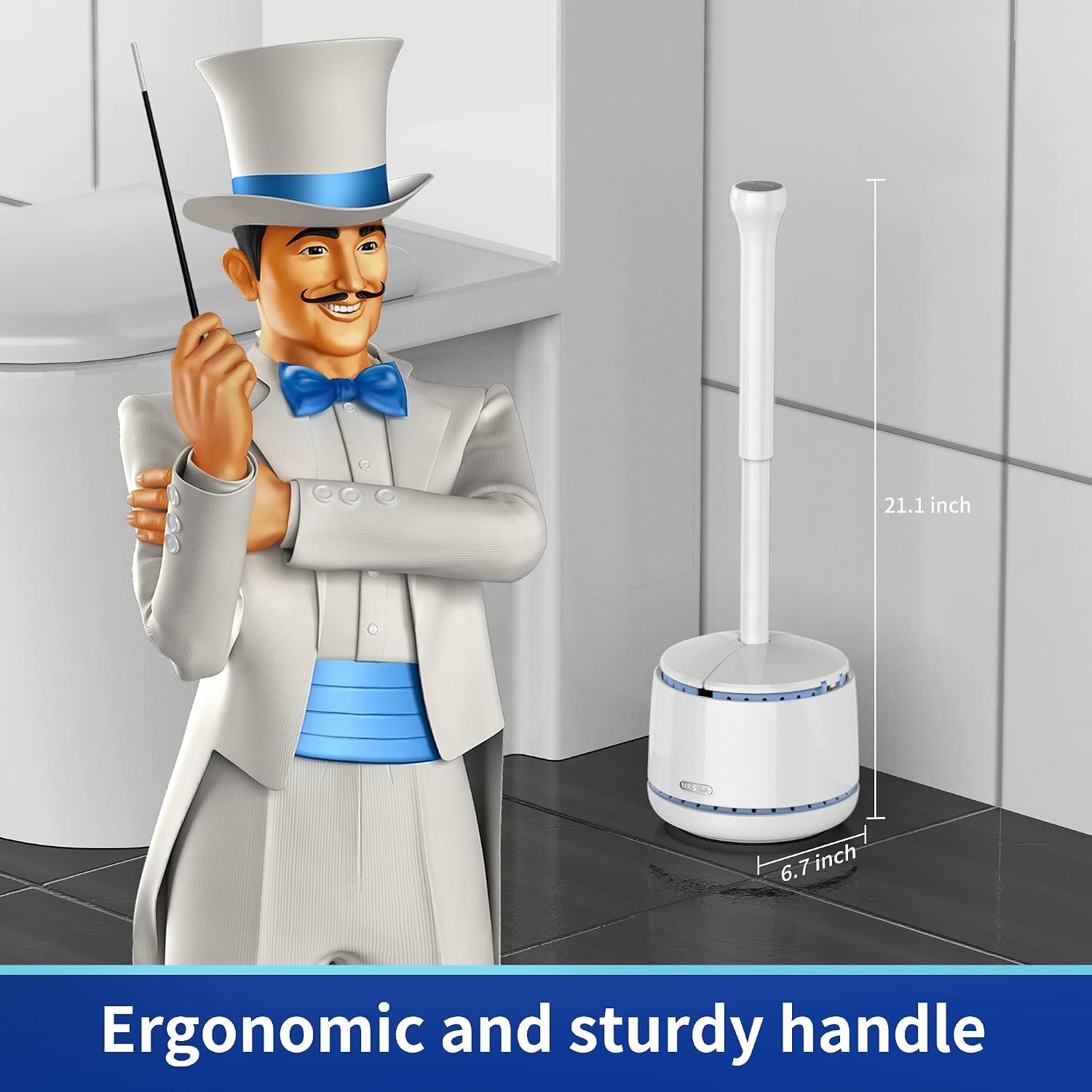
Handles get overlooked and they should not. A thin handle with a small rounded knob transfers force badly. Your hand slips, the stroke goes sideways, and you lose the seal you worked to get.
A thick handle with a wide flat top gives you a surface to press your palm against. That means you can put real body weight behind each push and keep the stroke straight down. It also keeps your hands further from the water, which is the quiet reason people search for a long handle toilet plunger in the first place.
Grip matters in a wet bathroom too. A handle that is comfortable when your hands are damp is a handle you can use with confidence, and confidence is most of what separates a quick fix from a flooded floor.
The holder is doing more than hiding
The covered caddy on this set has three jobs, and only one of them is cosmetic.
First, yes, it hides the rubber head. That is worth something in a guest bathroom or a small ensuite where everything is on display.
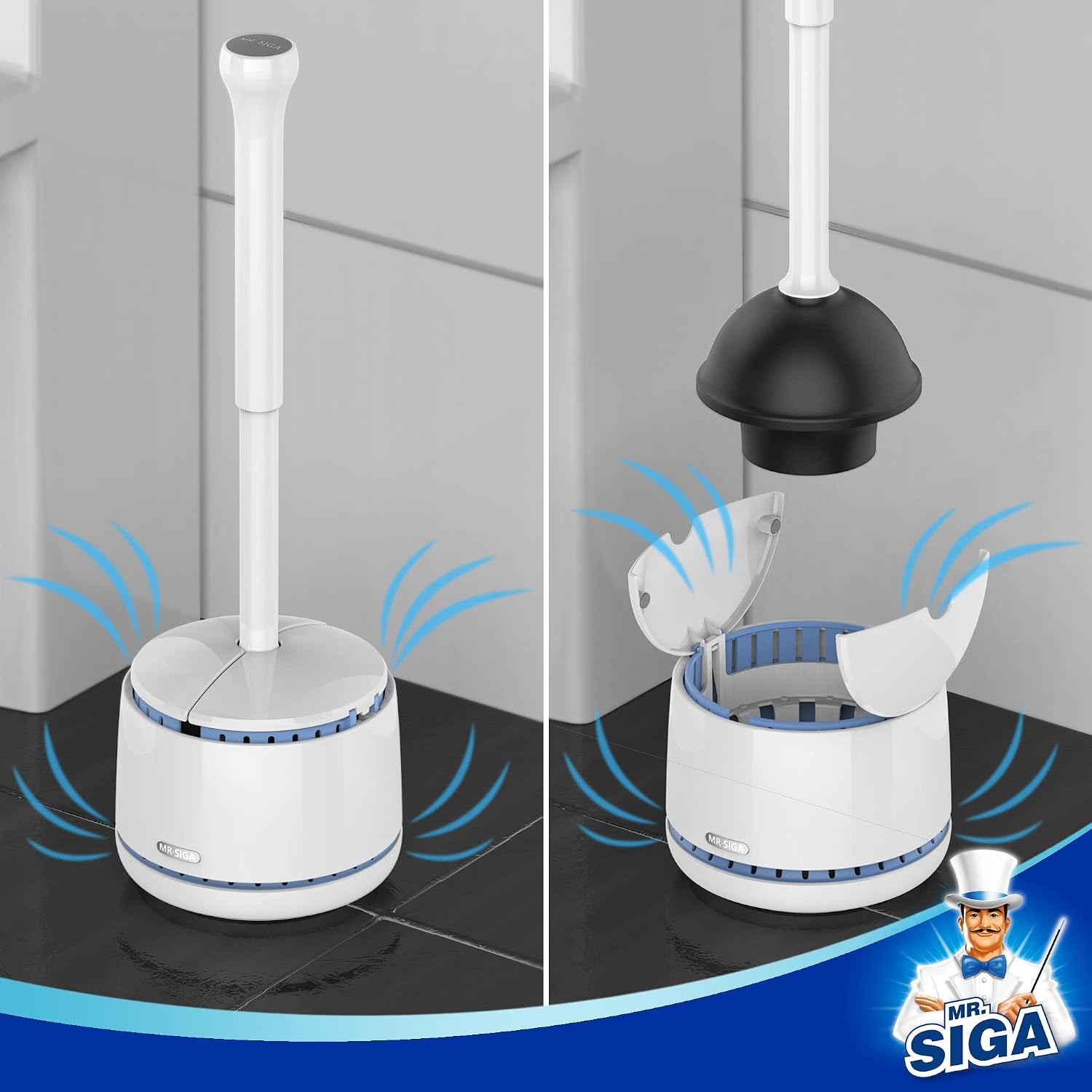
Second, it catches drips. The head sits down inside the holder, so the water that comes off it lands in the base rather than on your tiles. You should tip and rinse that base occasionally, but it beats a wet ring on the floor.
Third, and this is the part people miss, it manages airflow. A sealed plastic tube around a damp rubber cup is a bad idea, because rubber that never dries starts to smell and degrade faster. This holder has ventilation built in so air keeps moving even with the lid down. That is the difference between a ventilated plunger caddy and a trash can with a lid.
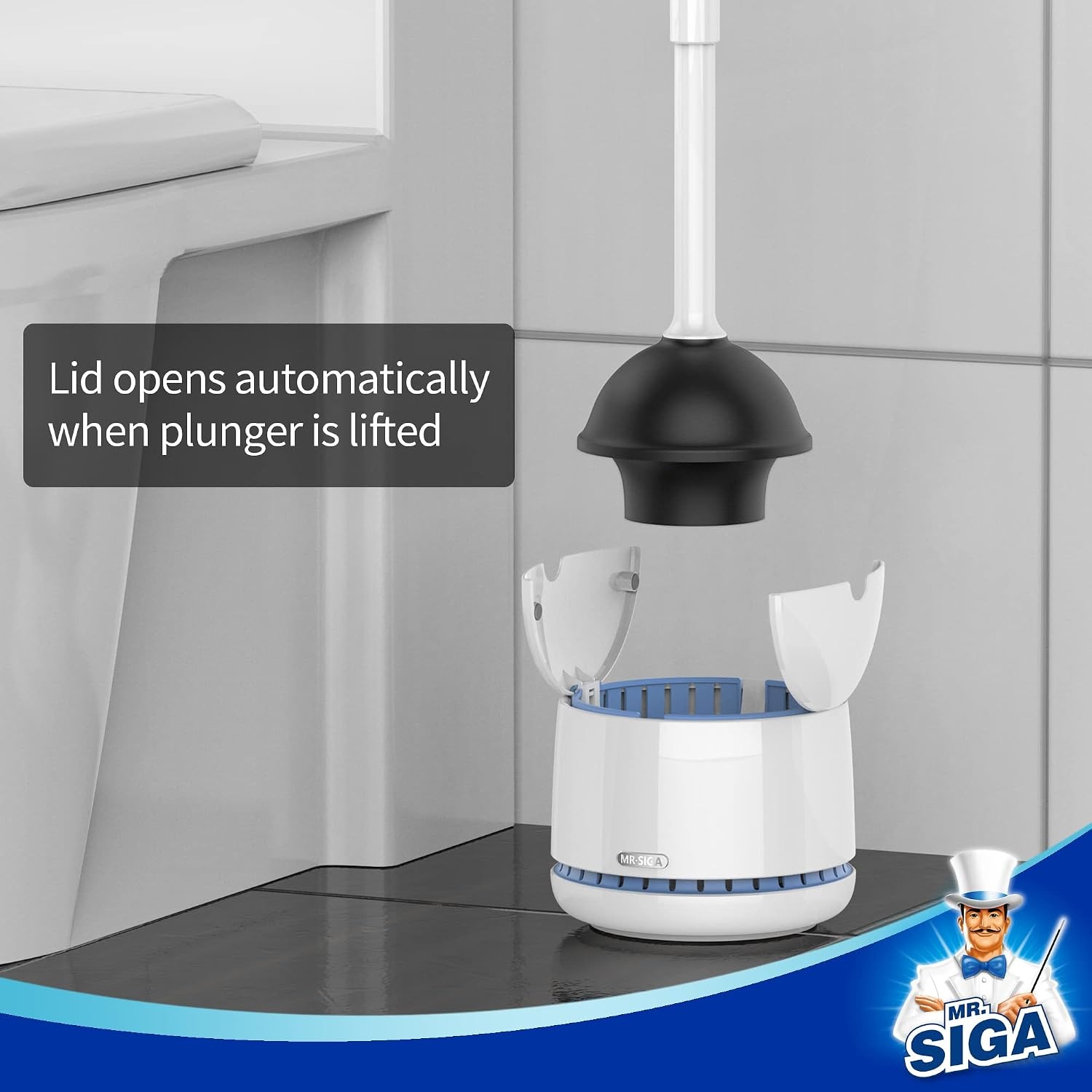
The automatic lid ties it together. Lift the plunger and the cover opens by itself. Put it back and a light press on the handle shuts it again. You never reach for a lid with the hand you have just used, which is a small thing that you appreciate every single time.
Who this suits
Households with one bathroom get the most out of it, because there is no spare room to stash an ugly tool. Rentals and vacation rentals do well with it too, since guests can see immediately what it is and where it goes back.
If you have a modern low-flow toilet, the flange design is the right shape for the narrower outlets those bowls use. If you have an older high-volume toilet, it still works fine, you just have more water to play with.
It also makes sense for anyone who currently has no plunger at all. That sounds obvious, but a surprising number of homes are one bad flush away from a midnight emergency with no tool in the house. Buying the best heavy duty toilet plunger on a calm Tuesday is much nicer than buying one in a panic.
The one group it suits less well is anyone dealing with a blockage deep in the main line. A plunger clears traps and short runs. If water is backing up in multiple fixtures at once, that is a drain auger or a plumber, not a plunger.
How to choose between plungers
A few things separate a good one from a cheap one.
Look at the rubber. It should feel firm and hold its shape when you squeeze it. Thin rubber that folds easily will collapse under pressure instead of pushing water, and it will crack within a year or two.
Look at whether there is a flange. A flat cup alone is a sink plunger. If you want something for the toilet, you want the extended sleeve, and ideally one that folds back so you get both uses.
Look at the storage. A plunger with no home ends up leaning somewhere, and that is how bathrooms get grim. A matched holder solves it on day one.
Look at the handle top. Flat and wide beats narrow and round every time.
Keeping it in good shape
Care is simple and takes seconds. Rinse the cup after each use, either under a faucet or in the clean water of a fresh flush. Shake the excess off before you stand it back in the caddy.
Wipe the handle and the outside of the holder with a damp cloth and ordinary bathroom cleaner. Every month or so, tip the base out and rinse it so standing water does not build up.
Avoid two things. Do not soak the rubber in neat bleach for long periods, because it hardens the material over time. And do not store it in long direct sunlight, for the same reason. Rubber ages, and UV speeds that up.
When the cup stops springing back to shape or you can see splits forming in the flange, replace it. A plunger that will not seal is no use to anyone.
The short version
A plunger is cheap insurance against a genuinely miserable evening. This set pairs a heavy-duty rubber cup and a wide flat-top handle with a covered, ventilated holder, so the tool is both effective when you need it and invisible when you do not.
The lid opens as you lift and closes as you set it down, the flange handles toilets and folds back for flat drains, and the caddy keeps drips off your floor. Buy it before you need it, rinse it after you use it, and you will not think about it again for years.