

The complete guide
How to Choose and Use a 60 Inch Tube Cleaning Brush
The problem nobody sees until it smells
A blocked drain rarely arrives out of nowhere. Something has been building on the inside of the pipe for months, a slow film of grease, soap, hair, food, mineral scale or biological slime. You cannot see it because the pipe is narrow and dark. You only notice when the sink drains slower than it used to, or the crisper drawer in the fridge keeps filling with water, or a faint sour smell starts drifting out of the drain opening.
The usual responses are a bottle of chemical cleaner or a plunger. Both can help, but neither one touches the sides. A plunger shifts a full blockage with pressure and then leaves the film in place. A chemical cleaner pours through the middle of the pipe and only partly reacts with what is stuck to the wall. That is why a drain you treated six weeks ago is slow again.
A long flexible pipe cleaner takes a different approach. It puts bristles in direct contact with the inner surface and physically scrapes the buildup loose. It is less clever and more effective.
How a flexible tube brush actually works
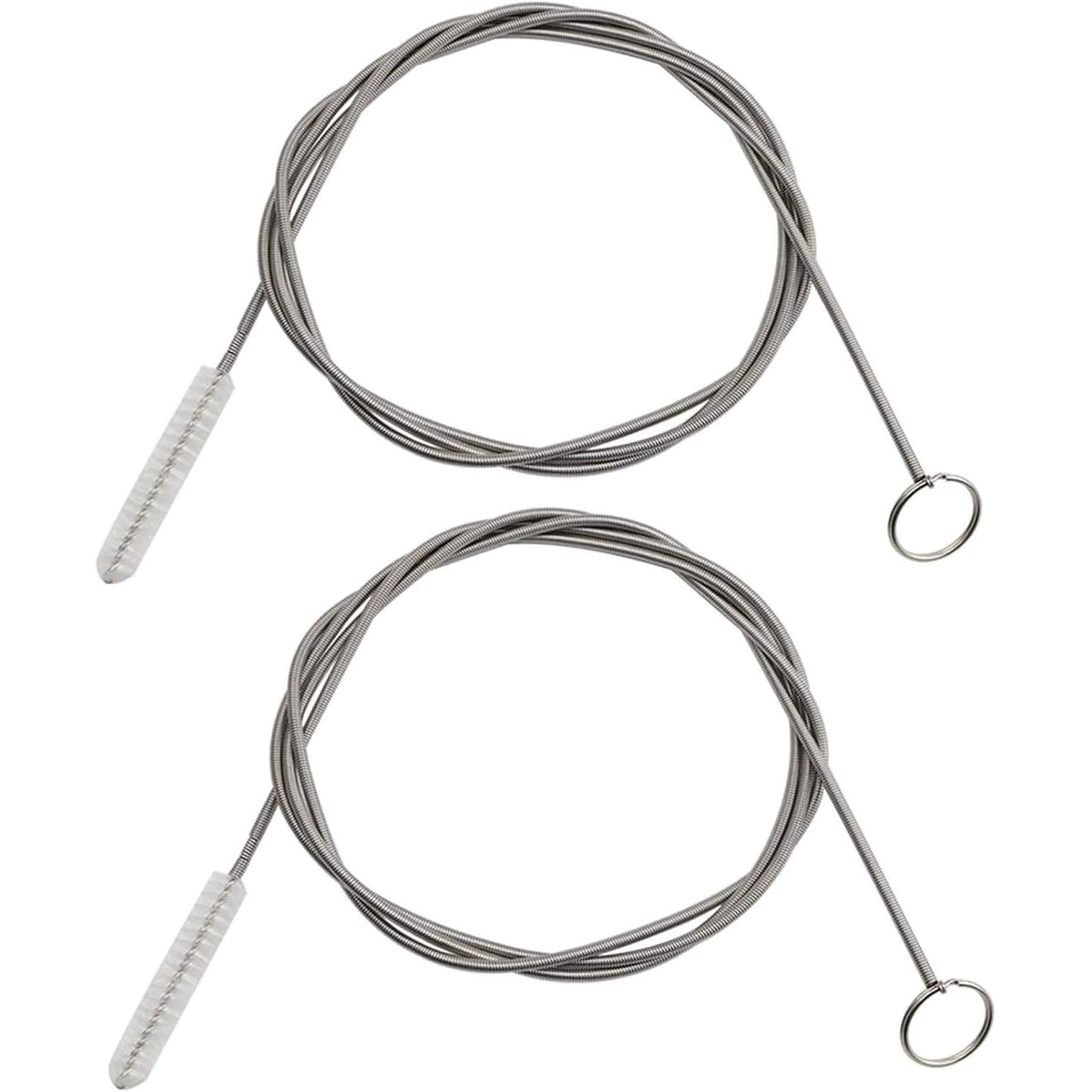
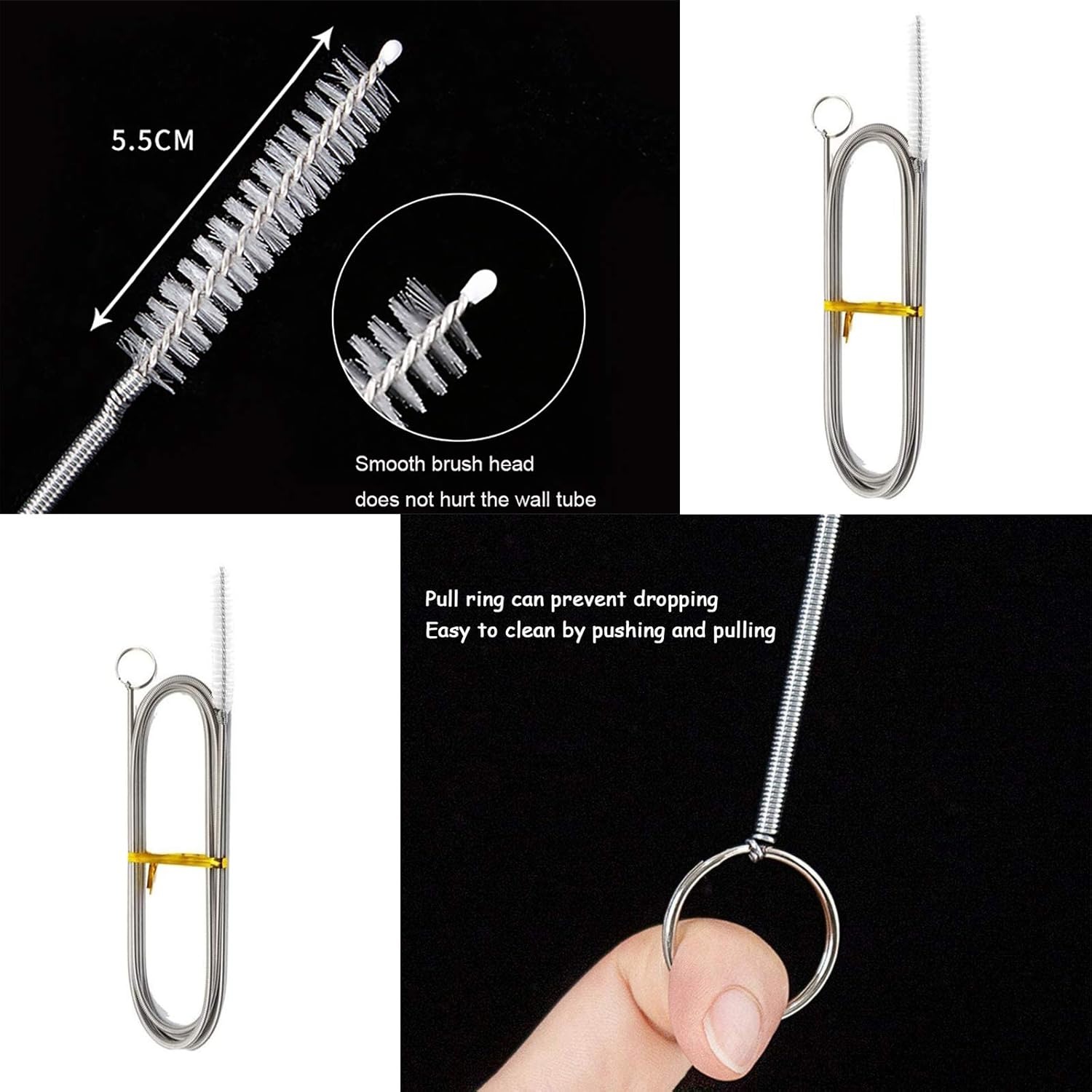
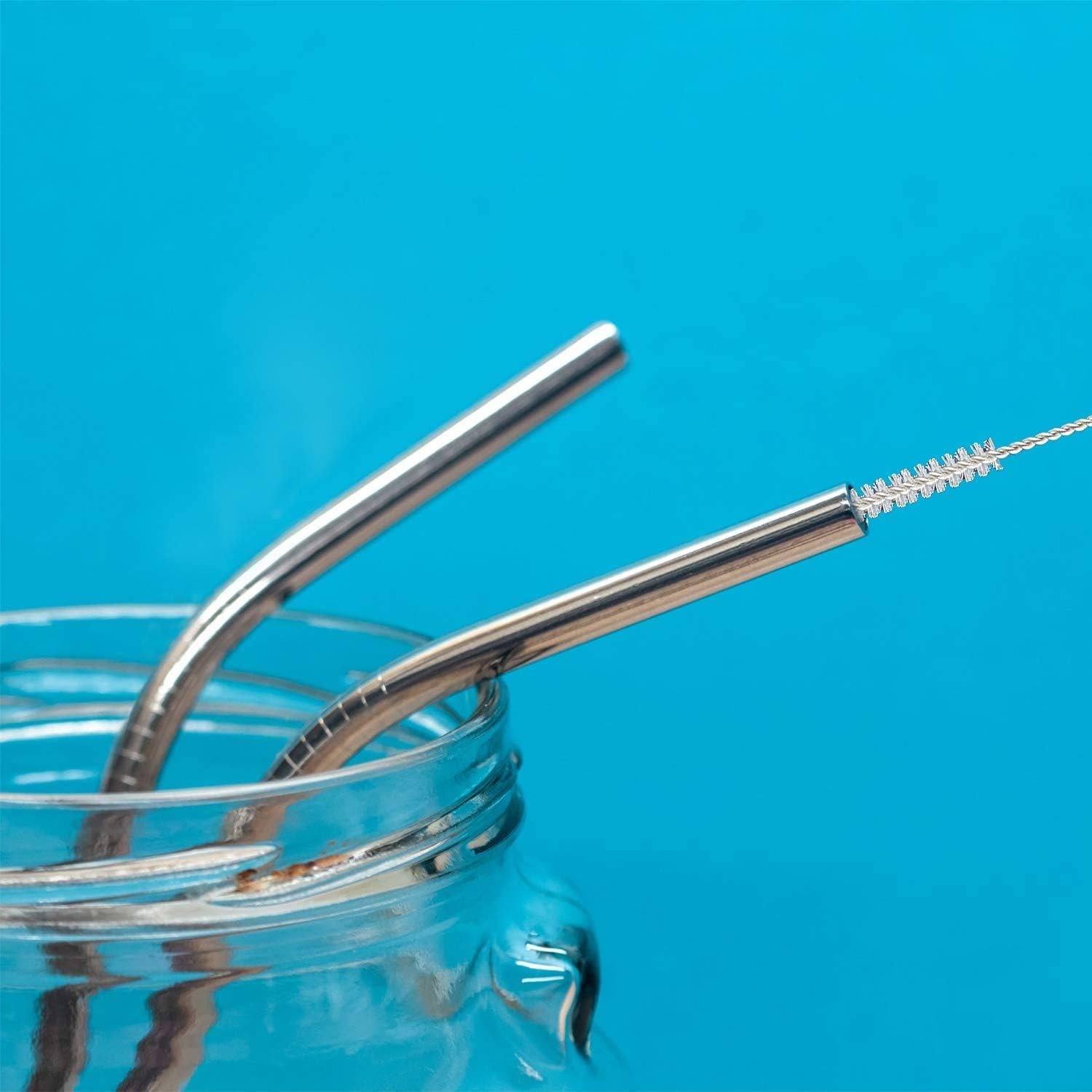
The tool is deliberately simple. A thin stainless steel wire runs the full 60 inches. Nylon bristles are twisted into one end to form a round brush head, and the other end is bent into a loop that gives you something solid to hold.
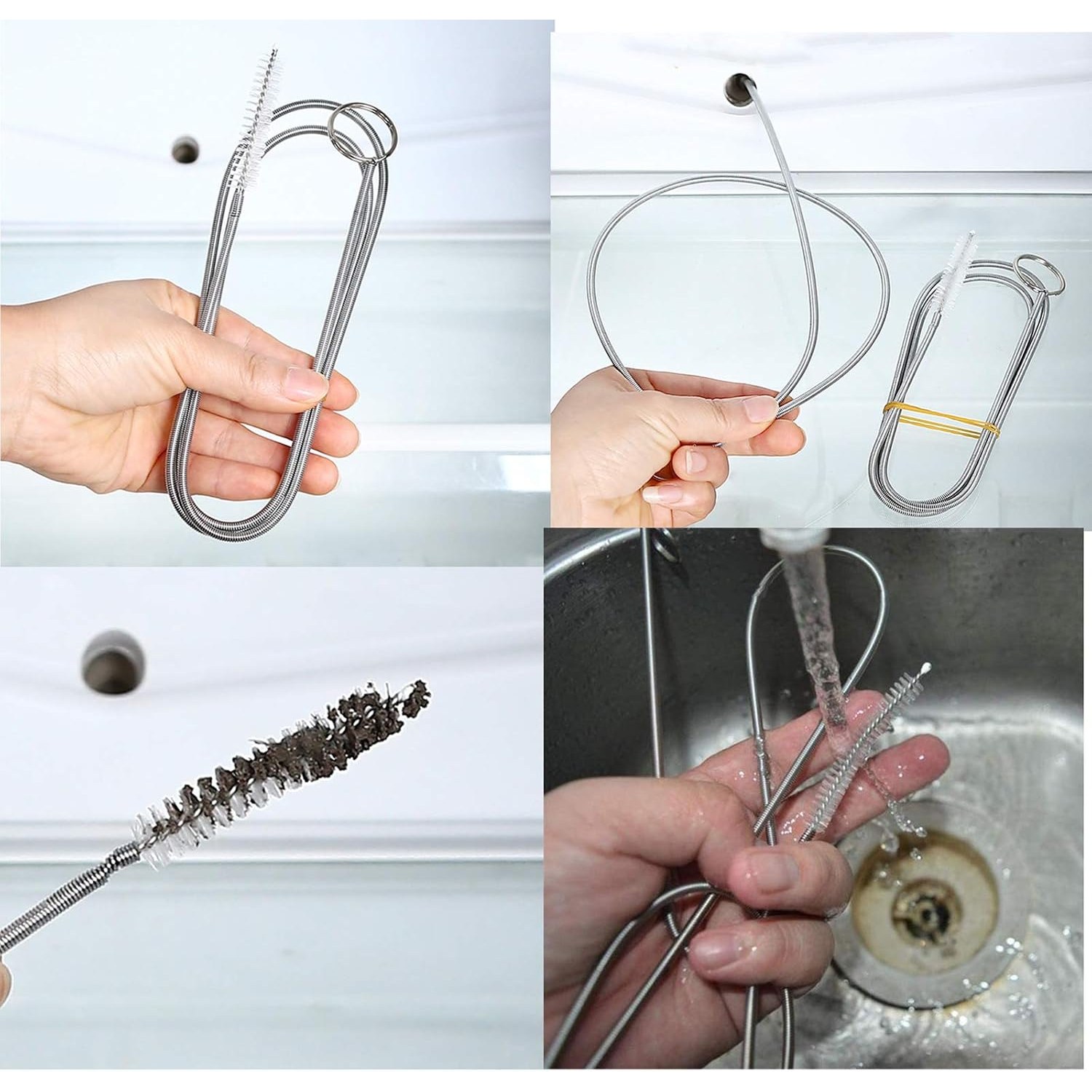
You start by feeding the brush head into the opening. Push with short, steady strokes rather than one long shove, letting the wire find its own path. When you hit a bend, ease off and rotate the stem slightly. The wire will usually turn the corner on its own. Once the head is as deep as you need, scrub gently back and forth, then draw the brush out slowly. Most of the debris travels out with the bristles, so have an old cloth or a bucket ready.
Two details make a real difference in practice. The first is the flexibility. The maker notes the stem will work through curves angled at less than 90 degrees, which covers most of what you find under a sink or behind a fridge. The second is the loop. Without it, a bare wire can slip into a pipe and vanish, and recovering it is a far bigger job than the clean you were trying to do. With the loop, you keep a hand on the tool from start to finish.
Who this suits
If you have a kitchen sink, you have a use for it. Beyond that, the list is longer than most people expect.
Fridge owners get the most immediate benefit. The defrost drain on a refrigerator is a short, narrow tube that collects algae and gunk, and the symptom is water pooling in the bottom of the fridge. Pulling the appliance out and dismantling panels is the slow route. A best refrigerator drain line cleaner that bends into the opening is the quick one.
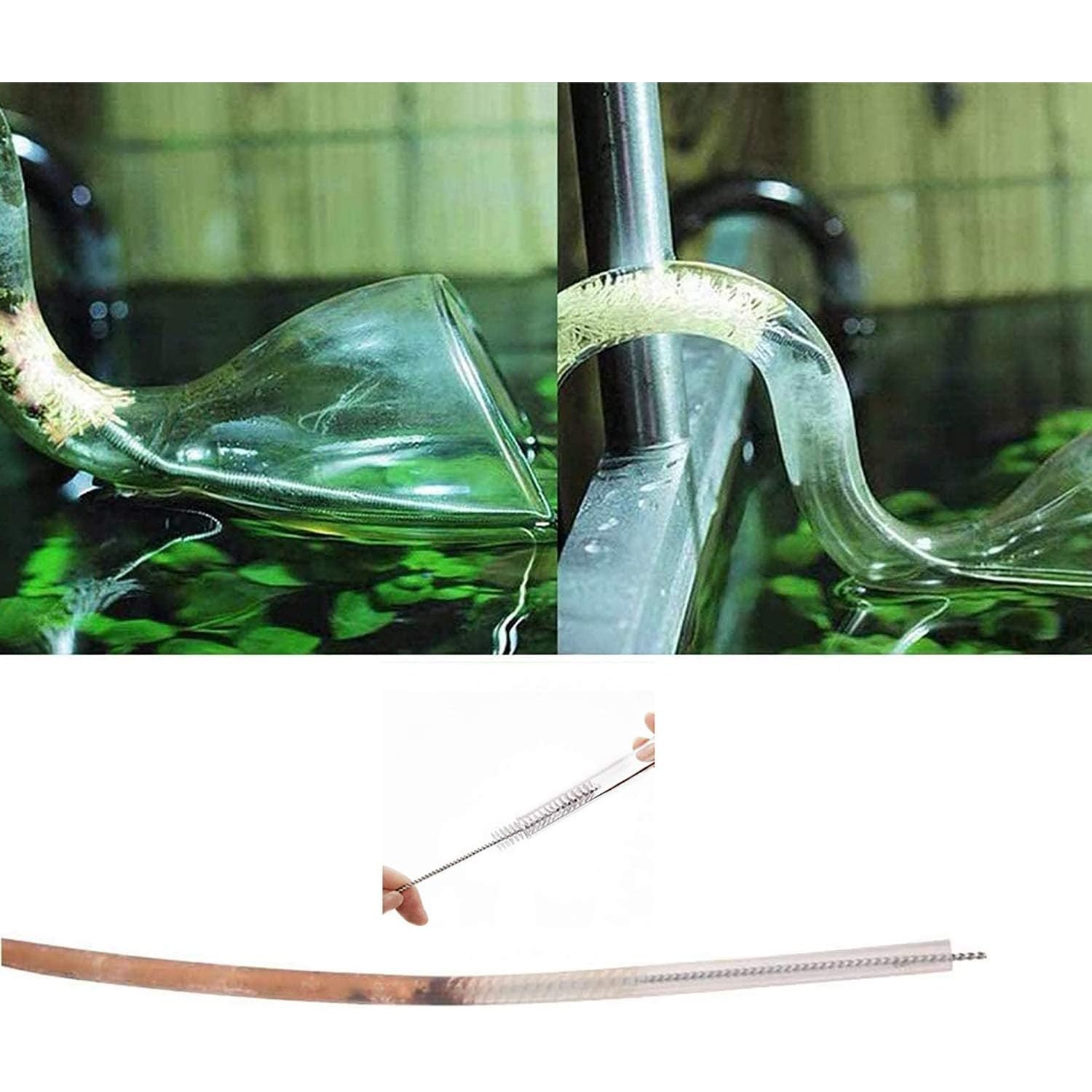
Aquarium keepers use these constantly. Filter hoses and airline tubing grow a biofilm that restricts flow, and you cannot see it from the outside. A flexible brush is the standard fix.
Car owners with a sunroof should know about sunroof drain channels. They run from the sunroof tray down inside the pillars, and when they clog, water ends up in the headliner or the footwell. A best sunroof drain cleaning tool needs to be long, thin and soft enough not to tear rubber tubing.
Then there is the everyday kitchen pile. Long neck bottles, hydration bladder tubes, reusable straws, coffee machine lines, hummingbird feeders, water pump fittings and the narrow pipes on filtration systems. Having a best flexible bottle brush in the drawer quietly solves a lot of small annoyances.
How to choose a tube brush
There are only a few things worth comparing.
Length. Short brushes are easier to store but useless for a real drain run. Sixty inches gives you room to reach past the trap and into the pipe behind it. You can always use a long brush on a short job, but not the reverse.
Bristle material. Nylon is the right choice for plastic, vinyl and rubber tubing, which covers most domestic lines. Wire bristles are more aggressive and can score the inner surface, and a scored pipe collects grime faster afterwards. The bristles here are nylon and listed as soft.
Stem material and flex. Stainless steel wire holds up to repeated bending and does not rust in a wet drawer. The balance you want is enough stiffness to push forward and enough give to follow bends. Too stiff and it jams, too soft and it folds up on itself.
A gripping end. This is the feature people skip and then regret. A loop, ring or handle keeps the tool under your control. Look for one before anything else.
Quantity. A two pack is practical rather than a sales tactic. Once you have cleaned a fridge line with a brush, you will not want to use the same one on a drinking straw. Dedicating one brush to dirty jobs and the other to food contact items is a sensible habit.
Using it safely and getting better results
Work with the water off and the area clear. Put a towel down, because what comes out is not pleasant.
Go slowly on the way in. The temptation is to push hard when you feel resistance, but resistance usually means a bend rather than a blockage. Back off a few centimeters, rotate the stem a quarter turn and try again. Nine times out of ten it slides through.
On the way out, that is when the cleaning happens. Pull steadily and let the bristles do their work against the wall. If the brush comes out loaded with debris, rinse it and go back in for a second pass. Two or three passes on a neglected pipe is normal.
Finish with a flush. Run hot water, or for a fridge line, pour a little warm water through the drain and check it runs clear into the tray underneath. If you want a best kitchen drain cleaning tool routine that keeps things clear, a quick brush once a month beats an emergency call out.
One caution. Do not use the brush on anything much narrower than the head, and do not use it on electrical or gas lines. It is a cleaning tool for water and drain tubing.
Keeping the brush in good shape
Rinse it immediately after use, before anything dries onto the bristles. Warm water and a drop of dish soap worked through with your fingers will clear most of it. Rinse again, shake off the excess, and hang the brush by the loop so the stem dries straight.
Storage matters more than you would think. Coil it loosely, the way you would a garden hose, rather than folding it in half. A sharp kink in the wire creates a weak point that eventually snaps. A nail on the inside of a cabinet door or a hook in the garage works well.
If the bristles start to splay after heavy use, that is normal wear. You can trim stray strands with scissors, and the brush keeps working, which is why a two pack earns its keep over time. Rinse, hang, coil, repeat.
The short version
A 60 inch tube cleaning brush is one of those tools that sits in a drawer for months and then saves you a plumber's call out. It is a flexible stainless steel stem with soft nylon bristles on one end and a loop on the other, built to reach inside narrow tubing and scrub the wall directly rather than hoping a liquid does the job.
It suits sink drains, refrigerator drain lines, aquarium and filter hoses, sunroof channels, bottles and straws. The nylon bristles clean without scratching plastic or vinyl. The loop keeps the brush from disappearing into the pipe. Two brushes come in the pack so you can separate the grimy jobs from the food contact ones.
Rinse it after every use, hang it by the loop, and coil rather than fold. Do that and it will keep working for years.